
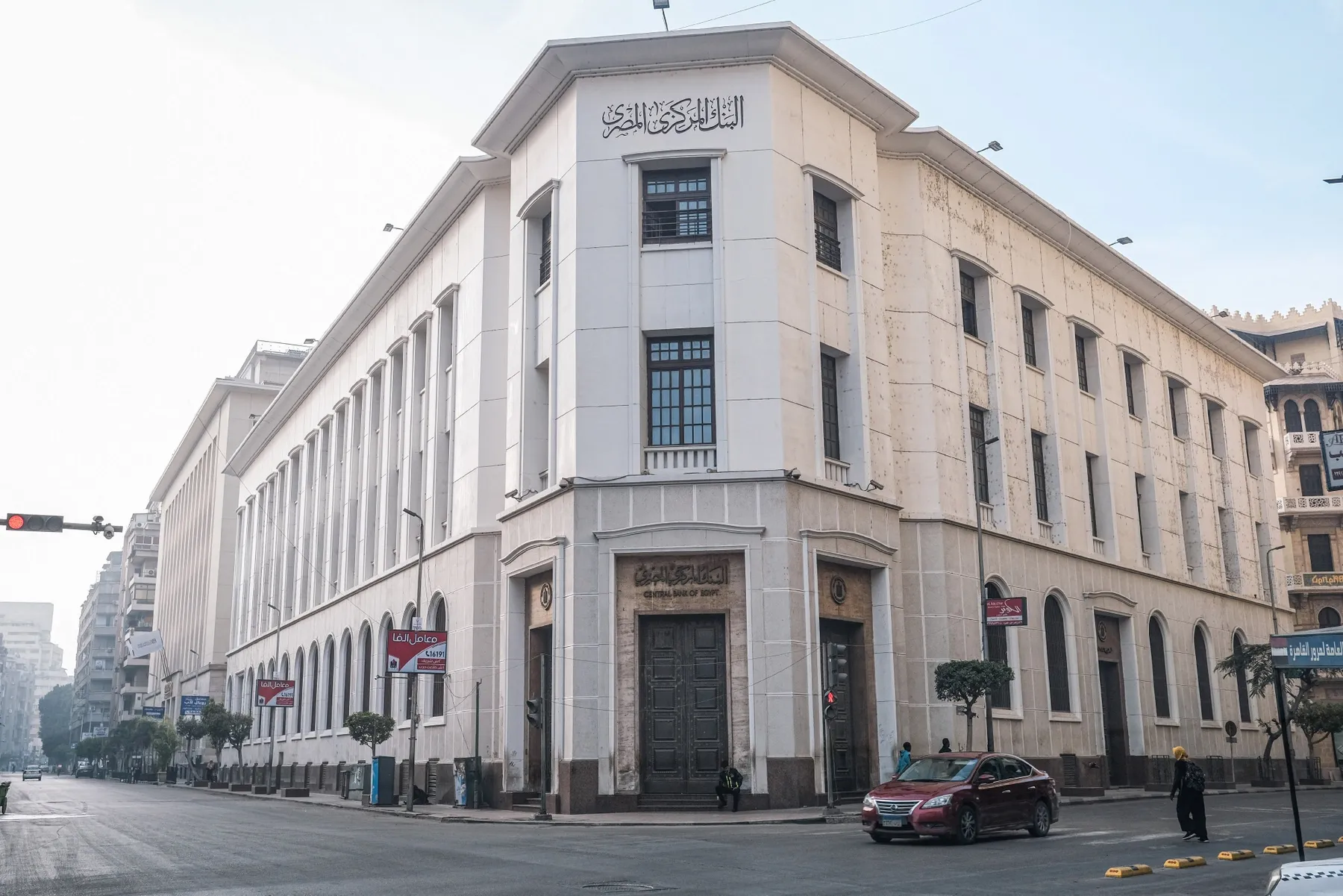
CAIRO, June 5 – Egypt recorded a sharp increase in remittance inflows during the first nine months of fiscal year 2025/2026, with transfers from citizens working abroad reaching their highest level ever for the period.
According to figures released by the Central Bank of Egypt, remittances rose by 32% between July 2025 and March 2026, reaching approximately $34.9 billion compared with $26.4 billion during the corresponding period a year earlier.
The strong growth underscores the importance of overseas Egyptians as a critical source of foreign exchange for the North African economy.
Remittances remain one of Egypt’s largest sources of external earnings, alongside tourism, exports and revenues generated from the Suez Canal.
The increase provides additional support for the country’s foreign currency reserves at a time when policymakers continue efforts to strengthen macroeconomic stability and improve external balances.
Beyond their direct contribution to household incomes, remittance inflows play a broader role in supporting economic activity and financial stability.
The funds help strengthen foreign exchange liquidity, support the financing of imports and contribute to the country’s ability to meet external debt obligations.
Higher remittance inflows also help ease pressure on the current account by providing a steady source of hard currency that can offset external financing needs.
Economists view remittances as an important stabilizing factor for Egypt’s economy, particularly during periods of global economic uncertainty and volatility in international financial markets.
The latest figures suggest continued confidence among Egyptians abroad in formal transfer channels and reinforce the sector’s growing contribution to the country’s external accounts.
With remittances maintaining strong momentum, policymakers are expected to continue encouraging foreign currency inflows as part of broader efforts to strengthen reserves, support exchange rate stability and enhance economic resilience.
