
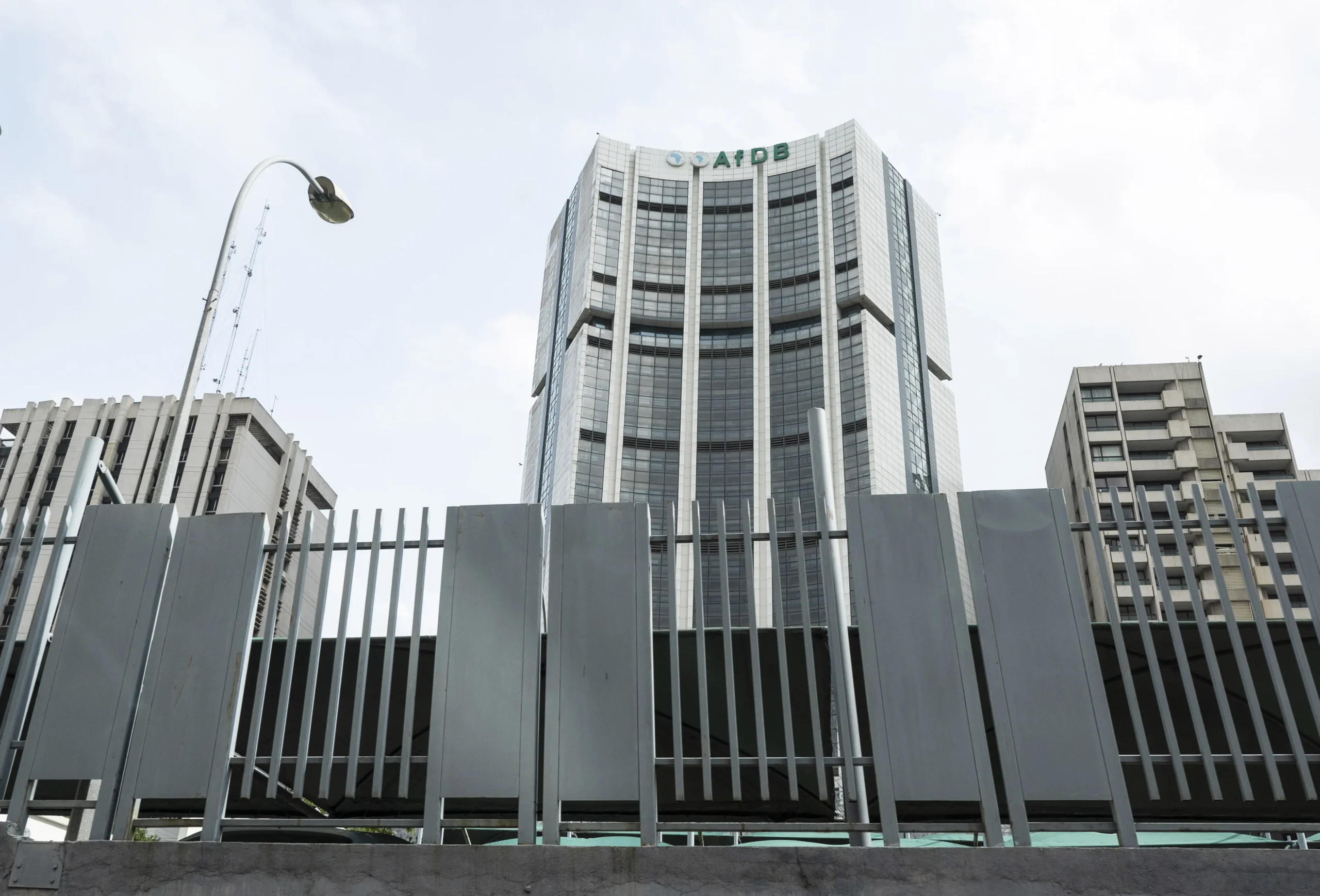
ADDIS-ABABA, Mar 30 – The African Development Bank has warned that the economic impact of the Middle East conflict on Africa could be modest in the short term, but risks compounding existing structural pressures across the continent.
Chief Economist Kevin Urama said Africa’s economic growth could decline by about 0.2 percentage points if the conflict lasts no longer than three months. However, a prolonged war of up to six months could reduce growth by as much as 1.5%.
The warning comes as African economies grapple with rising debt burdens, declining foreign investment and shrinking development assistance flows.
Despite these challenges, the AfDB projects Africa’s growth will accelerate to 4.3% in 2026 and 4.5% in 2027, though it cautioned that fiscal pressures remain a major constraint.
Higher global oil prices could provide a partial buffer for oil-exporting nations, as supply disruptions linked to the conflict push prices upward. Domestic refining capacity, including facilities such as the Dangote Petroleum Refinery, may also help cushion supply shocks.
However, the broader impact is already being felt across the continent. Rising fuel, food and fertiliser costs are increasing inflationary pressures, with about 29 African countries experiencing currency depreciation linked to these shocks.
Debt sustainability remains a critical concern. According to the AfDB, debt servicing now consumes more than 31% of government revenues across Africa, limiting spending on essential sectors such as health, education and infrastructure.
Total public debt on the continent reached $1.9 trillion in 2024, with seven countries already in debt distress and 13 others at high risk.
The bank also highlighted declining external support, noting that cuts to official development assistance threaten key social programmes. The United States accounted for over a third of bilateral aid to Africa between 2015 and 2023, making recent reductions particularly significant.
Foreign direct investment flows have also weakened, falling 42% in the first half of 2025. The AfDB warned that continued global uncertainty could trigger further capital outflows from the continent.
While oil-producing economies may see short-term gains, the broader outlook suggests that Africa’s recovery remains vulnerable to external shocks, with geopolitical instability adding another layer of risk to an already fragile economic environment.
