
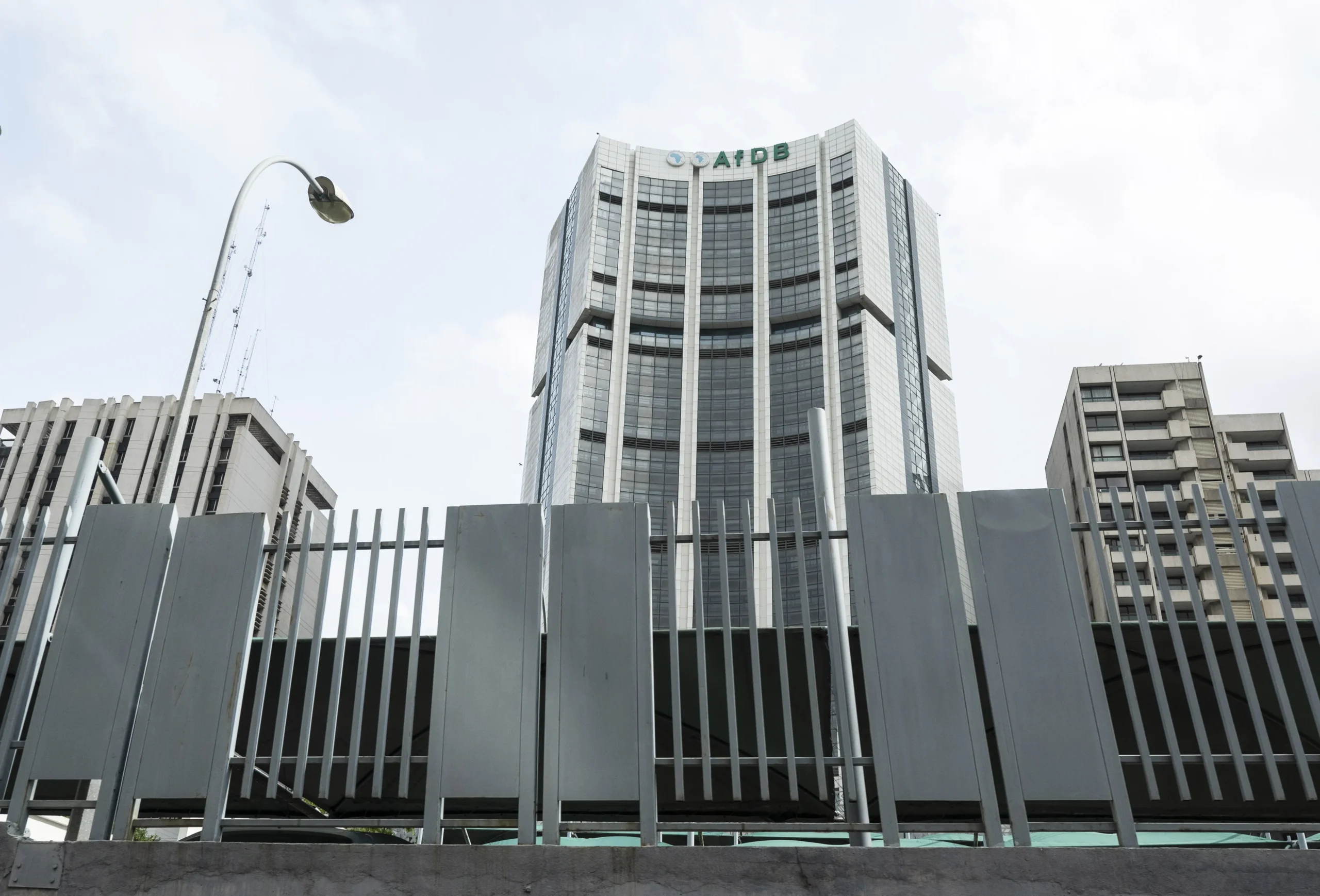
BRAZZAVILLE, May 28 – The African Development Bank has warned that Africa’s trade finance shortfall could widen significantly over the next two years as geopolitical instability, rising energy costs and tightening global financial conditions place growing pressure on the continent’s trade ecosystem.
The warning was outlined in the bank’s newly published 2025 Trade Finance Report, which highlighted mounting risks facing African importers, exporters and financial institutions.
According to the report, renewed tensions in the Middle East and disruptions affecting strategic shipping routes such as the Strait of Hormuz are increasing costs across global supply chains while weakening financing conditions for African economies.
The bank noted that at least 29 African currencies have depreciated since the latest escalation in geopolitical tensions, intensifying pressure on foreign-exchange reserves and increasing the cost of imports.
Under its moderate-risk scenario, the AfDB projects that Africa’s trade finance gap could rise to approximately $86.6 billion by 2027, representing a sharp increase from the estimated $73.6 billion recorded in 2024.
The AfDB said higher oil prices, rising freight charges and increasing insurance costs are already placing additional strain on predominantly energy-importing African countries.
The report warned that rising import costs and weaker currencies may lead international correspondent banks to tighten lending standards further, limiting access to trade finance for businesses operating across the continent.
The AfDB also cautioned that sustained energy market volatility could deepen inflationary pressures throughout African economies.
According to the bank’s projections, average inflation across Africa could reach 10.4% in 2026, exceeding earlier forecasts released at the beginning of the year.
In a more severe scenario involving prolonged disruptions to global shipping routes and tighter global liquidity conditions, the report estimates that Africa’s trade finance gap could widen further to nearly $95.6 billion by 2027.
However, under a more stable geopolitical environment, the bank believes the financing gap could gradually narrow toward $65 billion over time.
The report further noted that many international financial institutions are increasingly redirecting capital toward safer or conflict-related hedging activities, reducing appetite for risk exposure in frontier and emerging markets, including Africa.
The AfDB said strengthening regional financial systems, expanding local currency financing mechanisms and improving trade finance infrastructure will be critical to supporting Africa’s trade resilience in an increasingly fragmented global economy.