
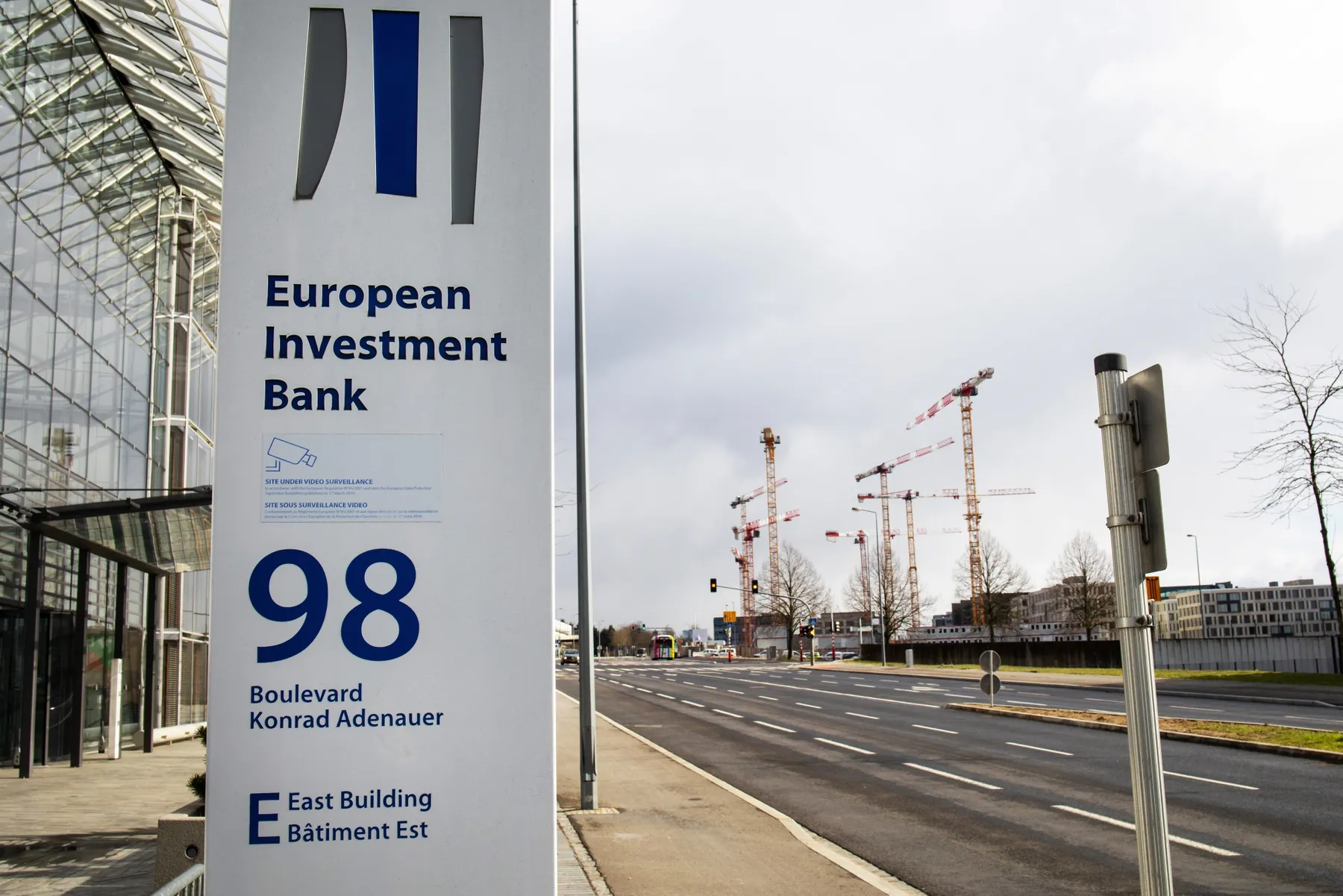
RABAT, June 5 – The European Investment Bank (EIB) has approved an additional €500 million ($578 million) loan to support Morocco’s ongoing earthquake recovery and infrastructure reconstruction programme.
The financing will help fund the rebuilding and modernization of critical public infrastructure in regions affected by the devastating earthquake that struck the country in September 2023.
According to the EIB, the latest financing package increases the institution’s total support for Morocco’s post-earthquake recovery efforts to €1 billion.
The 6.8-magnitude earthquake, the deadliest recorded in Morocco since 1960, struck on September 8, 2023, causing widespread destruction across communities south of Marrakech.
More than 2,900 people lost their lives in the disaster, while thousands of homes, public facilities and transportation networks sustained significant damage.
The latest loan is expected to support the reconstruction and upgrading of essential infrastructure, including roads, schools and healthcare facilities in affected areas.
The investment forms part of broader efforts by Moroccan authorities to restore public services, strengthen resilience and improve living conditions in communities impacted by the disaster.
The European Investment Bank, which serves as the lending arm of the European Union, has been a key financial partner in Morocco’s recovery programme since the earthquake occurred.
Officials said the funding will not only assist reconstruction efforts but also help improve the quality and resilience of public infrastructure against future natural disasters.
The financing comes as Morocco continues implementing large-scale rebuilding initiatives aimed at restoring economic activity and supporting long-term regional development.
Beyond immediate reconstruction, authorities have emphasized the importance of upgrading infrastructure standards to enhance resilience and reduce vulnerability to future shocks.
The latest EIB commitment underscores continued international support for Morocco’s recovery efforts and reflects the strategic partnership between the European Union and the North African nation in infrastructure development and economic resilience.
