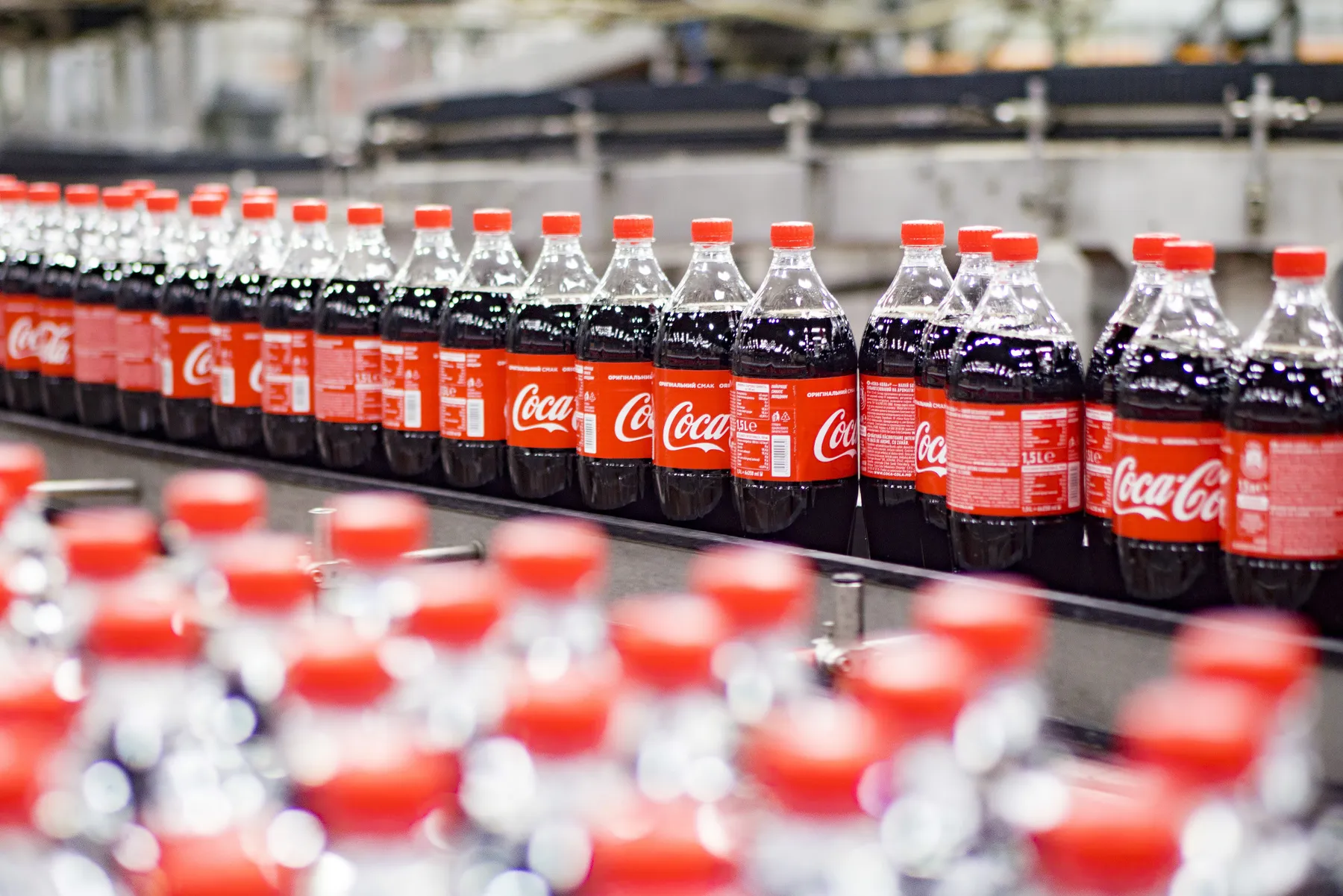
LAGOS, Nov 28 – Coca-Cola HBC has completed its $2.6 billion acquisition of a 75% stake in Coca-Cola Beverages Africa (CCBA) on Friday, consolidating its position as a major player in the continent’s beverage industry and making it the world’s second-largest Coca-Cola bottler by volume.
The completion follows the company’s announcement on November 16, 2026, and confirmation of merger control approval from Tanzania’s Fair Competition Commission. The transaction brings together two of the Coca-Cola system’s leading bottlers, expanding Coca-Cola HBC’s operations across 14 additional African markets.
The enlarged business will serve approximately 1.2 billion consumers and employ nearly 50,000 people globally. In Africa, Coca-Cola HBC will account for approximately two-thirds of the Coca-Cola system’s volume and reach more than half of the continent’s population.
The acquisition significantly expands the company’s African footprint, building on its historical presence in Nigeria, where its business originated 75 years ago, and its expansion into Egypt in 2022. It also strengthens its position in a region that the company identifies as a major source of long-term growth opportunities.
Coca-Cola HBC said the transaction combines its financial resources, operational scale and capabilities with CCBA’s established market positions and local market knowledge. The company expects the combined operations to provide a stronger platform for sustainable and profitable growth while supporting its ambition to become a leading 24/7 beverage partner.
Coca-Cola HBC Chairman Anastassis G. David described the completion as an important new chapter for the company’s African operations, acknowledging CCBA’s existing business and the teams involved in concluding the transaction.
Chief Executive Officer Zoran Bogdanovic said the acquisition represented a historic milestone, adding that the company was prepared to begin integration after several months of planning.
The transaction also coincides with Coca-Cola HBC’s listing on the Johannesburg Stock Exchange, which Bogdanovic said reinforced its long-term commitment to South Africa and the wider African continent.
Henrique Braun, Chief Executive Officer of The Coca-Cola Company, said the transaction reflected the strength of the Coca-Cola system and its commitment to locally led bottling operations. He highlighted CCBA’s established African presence and Coca-Cola HBC’s experience in investing for sustainable growth.
Transaction structure and financing
Coca-Cola HBC acquired the 75% shareholding in CCBA from The Coca-Cola Company and Gutsche Family Investments (GFI) for a combined purchase price of $2.6 billion, based on the value at signing.
A separate option agreement between Coca-Cola HBC and The Coca-Cola Company covers the remaining 25% stake held by the latter. Under the agreement, Coca-Cola HBC has the opportunity to acquire the stake, while The Coca-Cola Company has the option to sell it, within a six-year period. The call option can be exercised between three and five years following completion.
As part of the consideration, Coca-Cola HBC will issue 21,027,676 new ordinary shares to GFI, representing 5.45% of its enlarged issued and outstanding share capital. The new shares are expected to be admitted to trading on the London Stock Exchange, Johannesburg Stock Exchange and Euronext Athens on November 30, 2026.
The cash consideration was financed through a combination of existing liquidity and bonds issued in March 2026 to refinance bridge facilities arranged when the acquisition was signed.
Coca-Cola HBC expects its net debt-to-EBITDA leverage ratio to remain within its medium-term target range of 1.5 to 2.0 times. It also reaffirmed its expectation that the acquisition will generate low-single-digit earnings per share accretion from the first full financial year following completion.
The acquisition reshapes the ownership and scale of Coca-Cola’s African bottling operations, bringing a substantial share of the continent’s distribution network under Coca-Cola HBC. Its longer-term financial contribution will depend on the integration of the businesses, operational performance across the expanded markets and the company’s ability to translate its increased scale into profitable growth.