
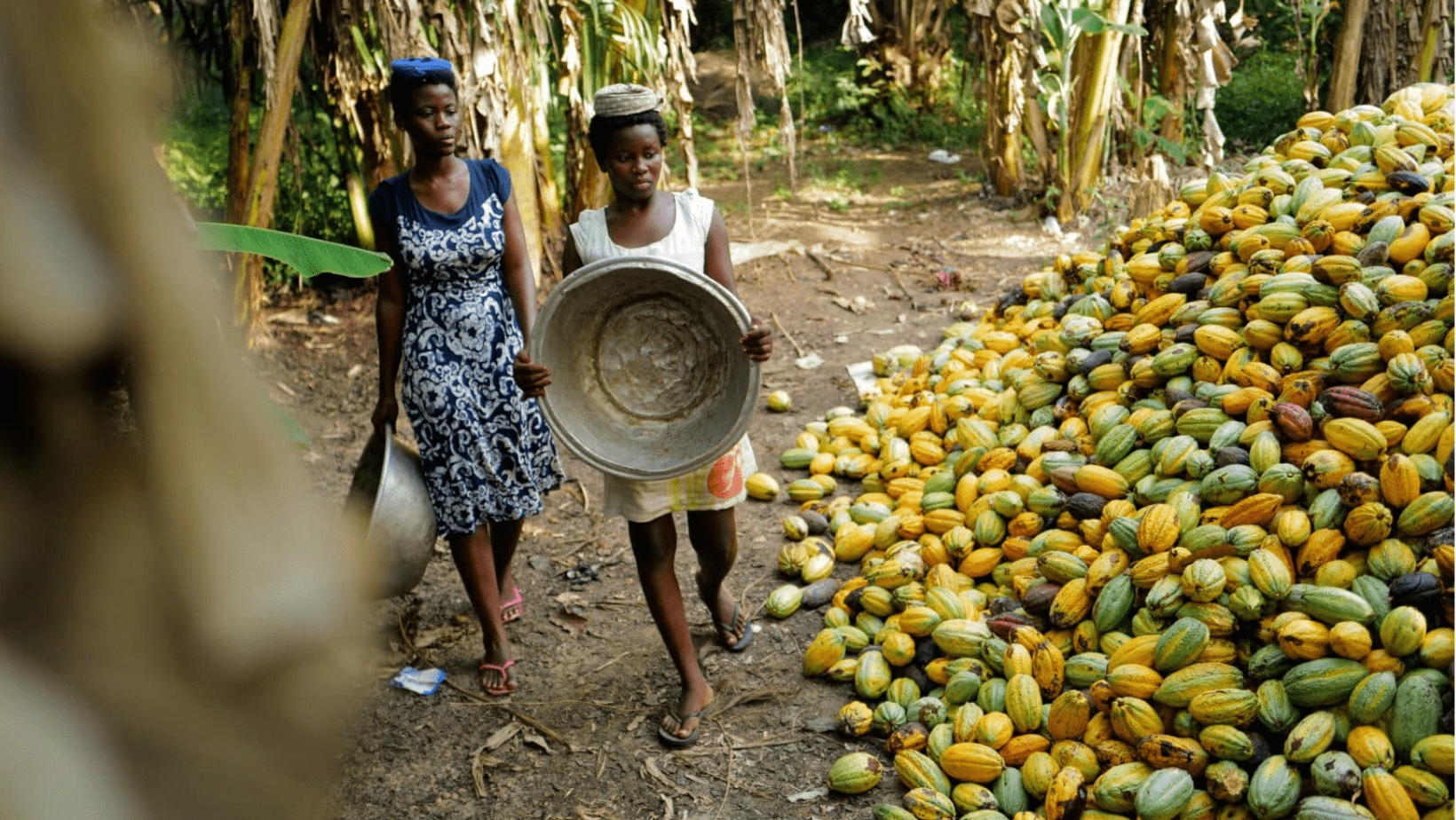
ACCRA, July 29 – Ghana’s cocoa production is expected to decline in the 2026/27 season as poor weather, illegal mining and the growing expansion of rubber plantations continue to affect farms across the country.
Farmers said prolonged rainfall has reduced the number of cocoa pods in several producing areas with the biggest impact hitting the Western and Western North regions, which produce more than half of Ghana’s cocoa. However, farmers in the Central and Eastern regions said pod development remains healthy because many trees are still in the flowering stage.
Kwame Alex, one of Ghana’s largest cocoa farmers, said heavy rains have damaged conditions on his farm adding that he expects his harvest to fall from 35 bags this season to just 10 bags next season.
An official at one of Ghana’s licensed cocoa buying companies, who asked not to be named, also expects production to decline as well as the Concerned Farmers Association sharing similar view.
According to farmers, rainfall has been heavier than usual because of a strengthening El Niño weather pattern. The wetter conditions have also increased the spread of black pod disease, a fungal infection that can significantly reduce cocoa yields.
Farmers in neighbouring Ivory Coast have also said they expect cocoa production to drop by more than 10% in the 2026/27 season.
At the same time, farmers said cocoa production is being affected as farmland continues to be cleared for illegal mining activities and rubber plantations, reducing the amount of land available for cocoa farming. Nana Oboadie Boateng Bonsu, President of the Concerned Farmers Association, said illegal clearing continues because existing penalties are not strong enough.
Meanwhile, COCOBOD is pushing for new laws to better protect cocoa farms. The proposals include tougher penalties for clearing farmland, a requirement to replant three acres for every acre destroyed and higher compensation for affected farmers.
