RABAT, Aug 4 – Morocco is set to build Africa’s second large-scale waste-to-energy plant, a $1.5 billion project designed to turn millions of tons of household waste into electricity while tackling one of the country’s biggest landfill pollution problems.
A consortium led by Kanadevia Inova has announced plans to begin construction of a $1.5 billion waste-to-energy plant in Casablanca before the end of 2026, with commercial operations expected to commence by mid-2030.
The project, which will be developed under a concession agreement awarded by the Casablanca city government, is expected to become the second waste-to-energy facility in Africa, supporting Morocco’s efforts to improve waste management, expand renewable electricity generation and reduce greenhouse gas emissions.
The consortium comprises Kanadevia Inova, Moroccan energy company Nareva, and Japan’s Itochu Corporation.
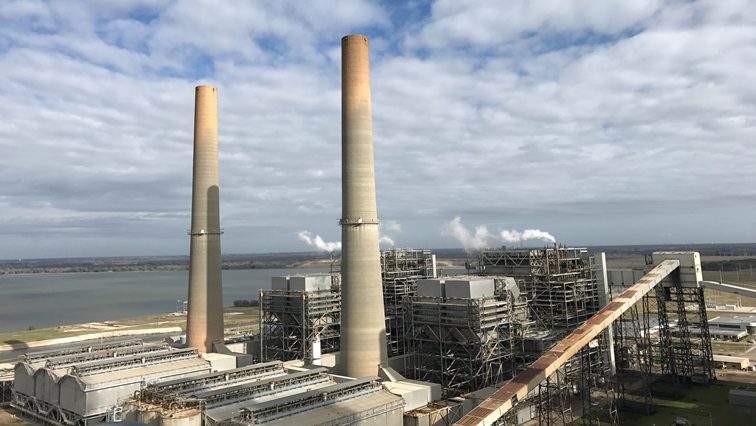
Once operational, the facility will process approximately 1.5 million metric tonnes of municipal waste annually and generate around 115 megawatts of electricity using a combination of waste, landfill gas and solar energy. The electricity produced is expected to supply nearly one million people.
The project is designed to address longstanding environmental challenges associated with the Mediouna landfill, Morocco’s largest landfill site, which has for decades generated odours, groundwater pollution and methane emissions from decomposing waste.
Speaking to Reuters, Kanadevia Inova Chief Executive Bruno-Frédéric Baudouin said construction would commence once debt and equity financing are fully secured during the fourth quarter of 2026.
According to Baudouin, “The debt will be all local,” indicating that the consortium intends to finance the project through Moroccan lenders.
The facility will be constructed by Moroccan engineering company Somagec and is expected to take approximately three and a half years to complete. However, Baudouin said waste treatment and electricity generation could begin between six and ten months before the project reaches full completion.
The consortium has also secured a power purchase agreement (PPA) with Morocco’s state-owned electricity utility, ONEE, providing a long-term framework for the sale of electricity generated by the plant.
Beyond electricity generation, the project is expected to deliver significant environmental benefits by reducing methane emissions from landfill waste.
According to Baudouin, “It’s like removing 300,000 cars from the road,” describing the project’s potential climate impact. He added that the facility could reduce greenhouse gas emissions by an amount equivalent to approximately 20% of Switzerland’s annual emissions.
Despite these expected benefits, waste-to-energy projects continue to face criticism from environmental groups, climate advocates and recycling experts, who argue that facilities relying on waste incineration can discourage recycling while generating particulate pollution and greenhouse gas emissions.
If completed as scheduled, the Casablanca project will represent one of the largest waste management and renewable energy investments in North Africa, supporting Morocco’s broader strategy to diversify its energy mix, improve urban environmental management and strengthen climate resilience.