
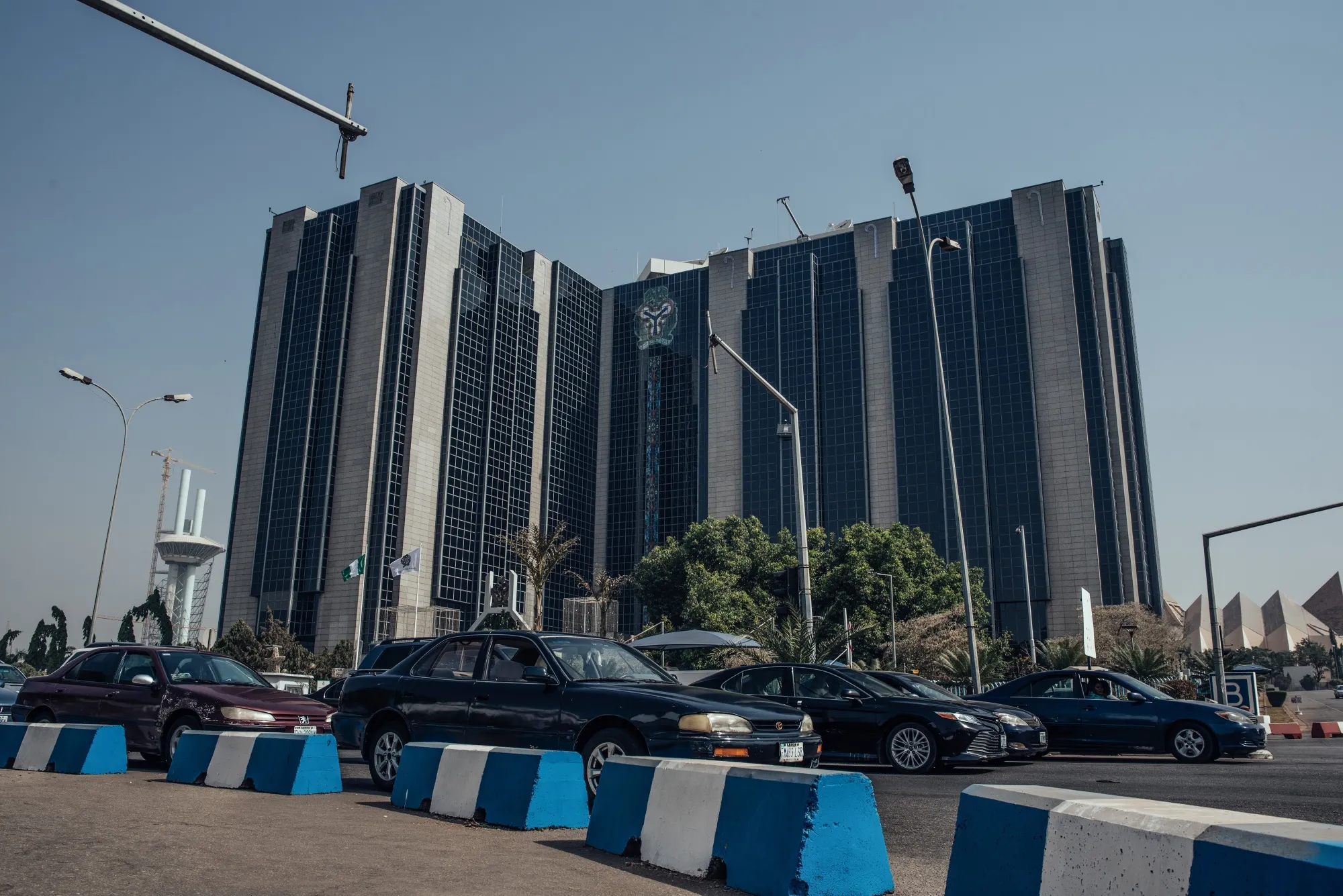
LAGOS, July 21 – The Central Bank of Nigeria (CBN) has left its benchmark Monetary Policy Rate (MPR) unchanged at 26.50%, maintaining a cautious monetary policy stance as policymakers weigh moderating domestic inflation against growing global economic uncertainty.
The decision, announced on Tuesday, marks the second consecutive meeting at which the Monetary Policy Committee has held the benchmark rate steady, following a 50-basis-point reduction in February, the first policy meeting of the year.
Speaking at a press conference after the committee’s meeting, CBN Governor Olayemi Cardoso said recent developments in the global economy justified maintaining the current policy stance.
According to Cardoso, “Although the headline inflation moderated marginally in June 2026, global uncertainties have heightened due mainly to the renewed hostilities in the Middle East.”
He added that “Maintaining a cautious monetary policy stance remains appropriate,” underscoring the central bank’s preference to closely monitor both domestic inflation trends and external risks before making further policy adjustments.
The decision was widely anticipated by financial markets. All nine economists surveyed by Reuters had forecast that the central bank would keep the benchmark interest rate unchanged.
Nigeria’s latest inflation data showed headline inflation eased slightly to 15.91% year-on-year in June 2026, down from 15.93% in May, ending three consecutive months of rising consumer prices. The previous increase in inflation had been driven largely by higher prices linked to disruptions in global energy markets following the conflict involving Iran.
Despite the modest improvement in inflation, the central bank continues to balance the need to contain price pressures with the risks posed by external shocks, including geopolitical tensions and volatility in global commodity markets.
The latest policy decision signals that the CBN remains focused on preserving macroeconomic stability while assessing whether recent improvements in inflation can be sustained before considering any further adjustments to interest rates.
