
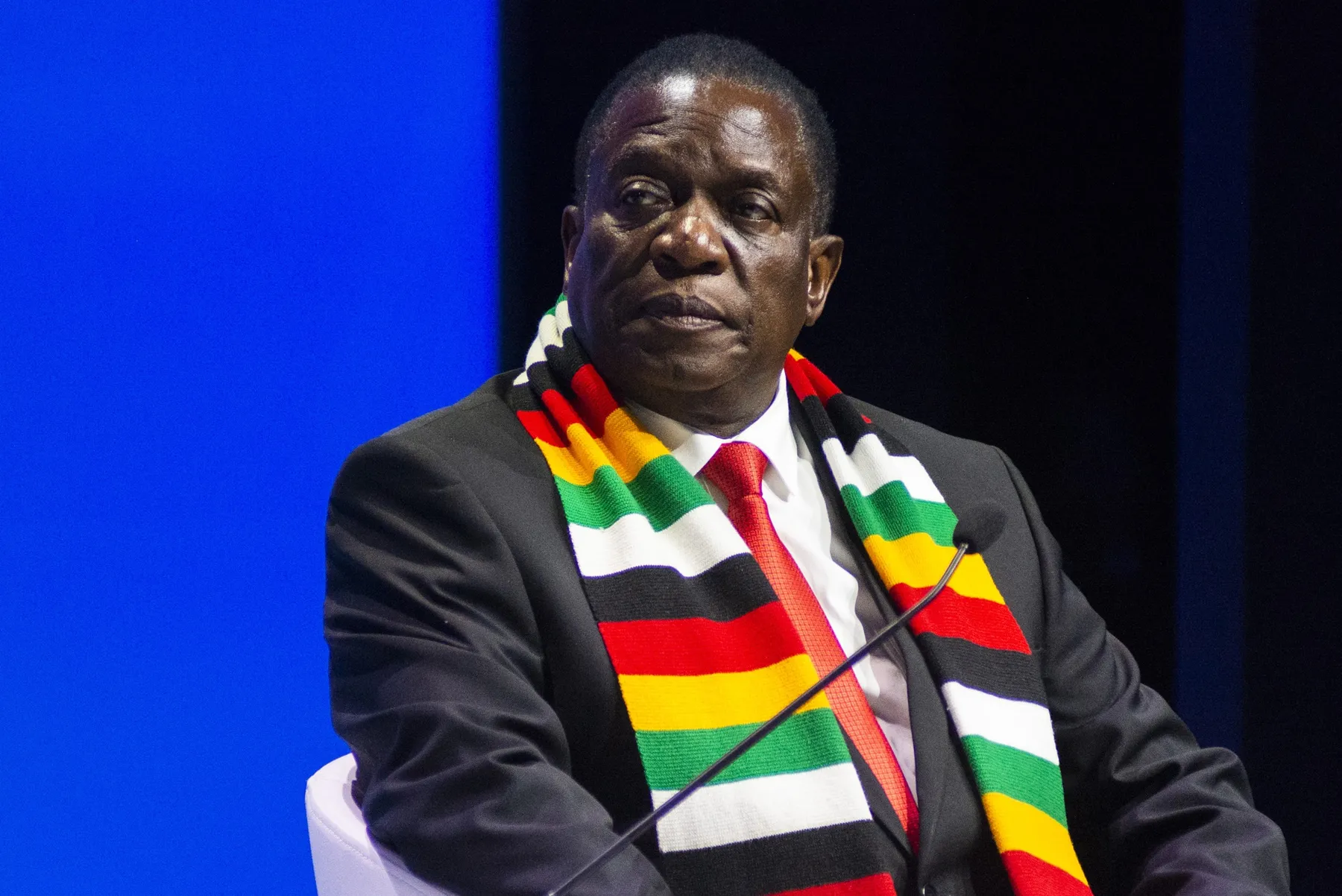
HARARE, June 18 – Zimbabwe’s parliament has approved a constitutional amendment bill that would extend presidential terms from five years to seven years, paving the way for President Emmerson Mnangagwa to potentially remain in power until 2030.
The legislation secured the support of 216 lawmakers, surpassing the two-thirds majority threshold of 187 votes required for constitutional amendments.
The bill will now move to Zimbabwe’s Senate, where it is widely expected to receive approval given the dominance of the ruling Zimbabwe African National Union – Patriotic Front and its allies.
If enacted, the amendment would represent one of the most significant constitutional changes in Zimbabwe’s political system in recent years.
Debate over extending presidential terms has intensified since supporters of Mnangagwa began publicly advocating for a longer tenure roughly two years ago, arguing that additional time is needed to implement the government’s development agenda.
The ruling party formally endorsed constitutional changes to lengthen presidential terms last year, and the proposal subsequently received cabinet approval earlier this year.
Supporters of the amendment argue that longer presidential terms would improve policy continuity, strengthen governance and provide greater political stability by reducing the frequency of national elections.
Backers also contend that extended terms could allow governments more time to implement long-term economic and development programmes.
However, critics have raised concerns that the amendment could weaken democratic accountability and create a pathway for Mnangagwa to extend his stay in power beyond the conclusion of his current second term in 2028.
Opposition groups and civil society organizations have argued that the proposal risks concentrating political power and undermining constitutional safeguards designed to limit presidential tenure.
The vote comes amid broader debates across Africa regarding presidential term limits, constitutional reforms and political succession, issues that continue to shape governance discussions in several countries across the continent.
Mnangagwa, who came to power in 2017 following the resignation of longtime leader Robert Mugabe, has repeatedly stated his commitment to constitutional processes, although questions surrounding succession and political continuity remain central to Zimbabwe’s political discourse.
The proposed amendment has therefore become one of the most closely watched political developments in Zimbabwe, drawing attention from both domestic stakeholders and international observers.
Zimbabwe remains a key economy in Southern Africa, and political stability is viewed as an important factor in attracting investment, implementing economic reforms and supporting long-term growth.
The outcome of the Senate vote and the broader constitutional reform process will likely shape the country’s political landscape in the years leading up to the next electoral cycle.
