
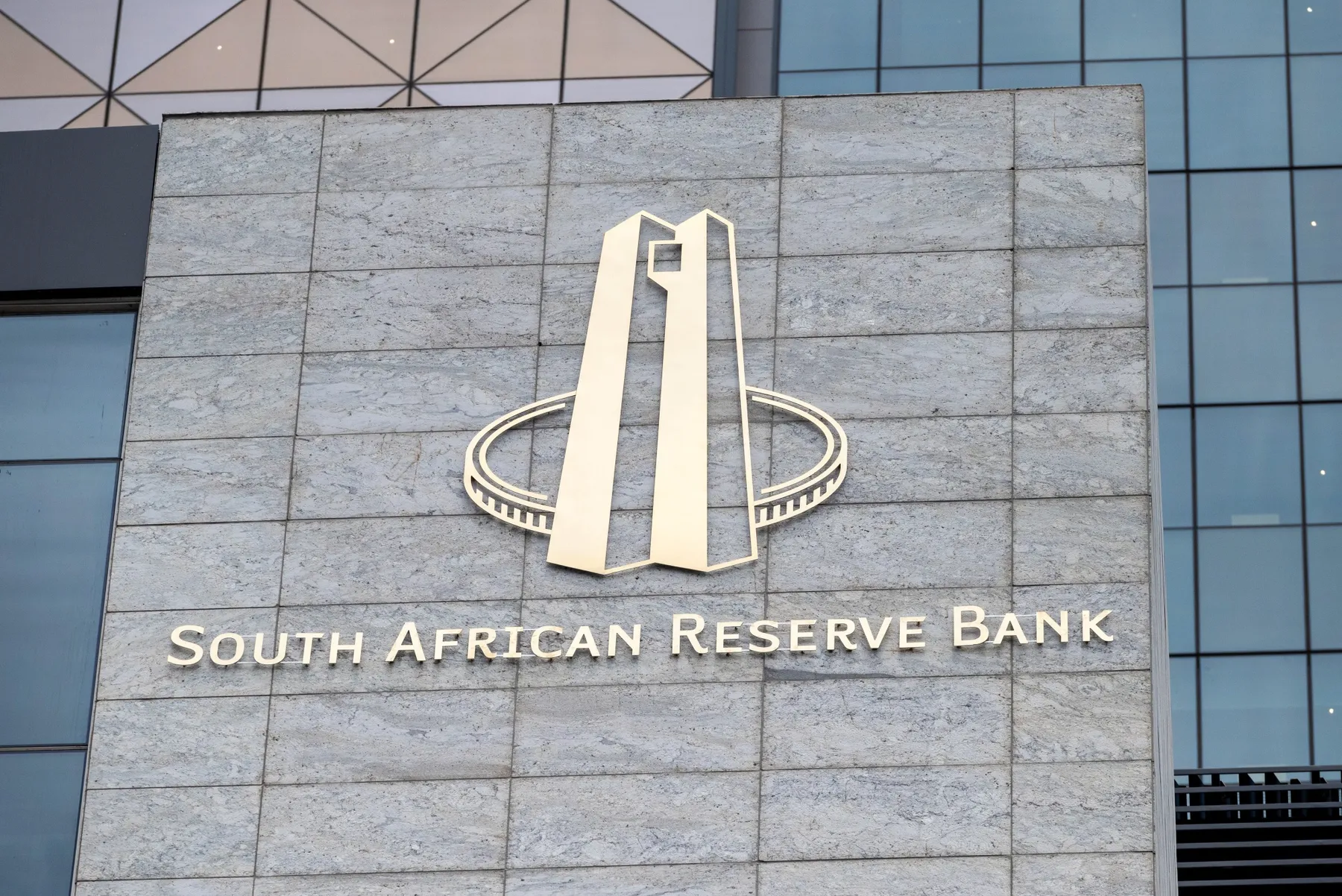
JOHANNESBURG, May 28 – South African Reserve Bank has raised its benchmark interest rate for the first time in three years as policymakers respond to mounting inflation risks linked to higher global energy prices and ongoing geopolitical tensions.
The central bank increased the repo rate by 25 basis points to 7.00% effective from 29 May, placing South Africa among a relatively small group of emerging-market economies that have tightened monetary policy during the current Middle East crisis.
The decision divided members of the Monetary Policy Committee, with four officials supporting the rate increase while two preferred keeping rates unchanged.
The Governor of the South African Reserve Bank, Lesetja Kganyago said policymakers also debated a larger 50-basis-point increase before ultimately opting for a more moderate adjustment while awaiting additional economic data.
According to the governor, the committee concluded that inflation risks had intensified significantly and that overlapping external shocks could create broader second-round price pressures across the economy.
The central bank sharply revised upward its inflation outlook for both this year and next year.
SARB now expects inflation to average 4.4% in 2026 and 3.7% in 2027, compared with earlier forecasts of 3.7% and 3.3% respectively.
South Africa’s central bank formally targets inflation at 3%, with a tolerance range extending one percentage point above or below that level.
Rising fuel prices, transportation costs and broader supply-chain disruptions linked to the conflict involving Iran have increasingly complicated the global inflation outlook and reduced policy flexibility for many central banks.
At the same time, the SARB lowered its economic growth forecasts, reflecting concerns about weakening domestic and global demand conditions.
The bank now expects South Africa’s economy to grow by 1.2% this year and 1.7% next year, both lower than previous projections.
Policymakers also outlined several downside risk scenarios involving slower growth and persistently elevated inflation, highlighting the fragile balance facing the economy.
The latest move underscores growing concerns that external energy shocks could reverse recent progress made in stabilizing inflation across several African economies.
