
LONDON, May 27 – The International Finance Corporation has warned that climate change could significantly weaken Seychelles’ tourism sector over the coming decades, threatening economic growth, jobs and long-term competitiveness in one of Africa’s most tourism-dependent economies.
According to the newly published tourism sector report prepared as part of the Seychelles Country Climate and Development Report (CCDR), tourism currently contributes about 21% of Seychelles’ gross domestic product and supports roughly 27% of employment across tourism-related industries.
The study projects that tourism revenues in Seychelles could decline by between 11% and 16% by 2050 under current climate trajectories, with international leisure tourism expected to experience the largest decline.
The IFC noted that climate-related disruptions are increasingly becoming structural economic risks for small island economies heavily dependent on coastal tourism.
The report identified beach erosion, storm surges, coral bleaching, biodiversity loss and rising sea levels as some of the most serious threats facing Seychelles’ tourism infrastructure and visitor economy.
Survey findings included in the report showed that 65% of accommodation providers identified beach erosion as a major concern, while 50% cited storm surges as a growing operational threat.
Coral reef degradation also emerged as a major economic concern. The report estimated that coral tourism revenues, currently valued at approximately 3% of GDP, could decline by between 11% and 18% by mid-century as reef ecosystems deteriorate under rising ocean temperatures and climate stress.
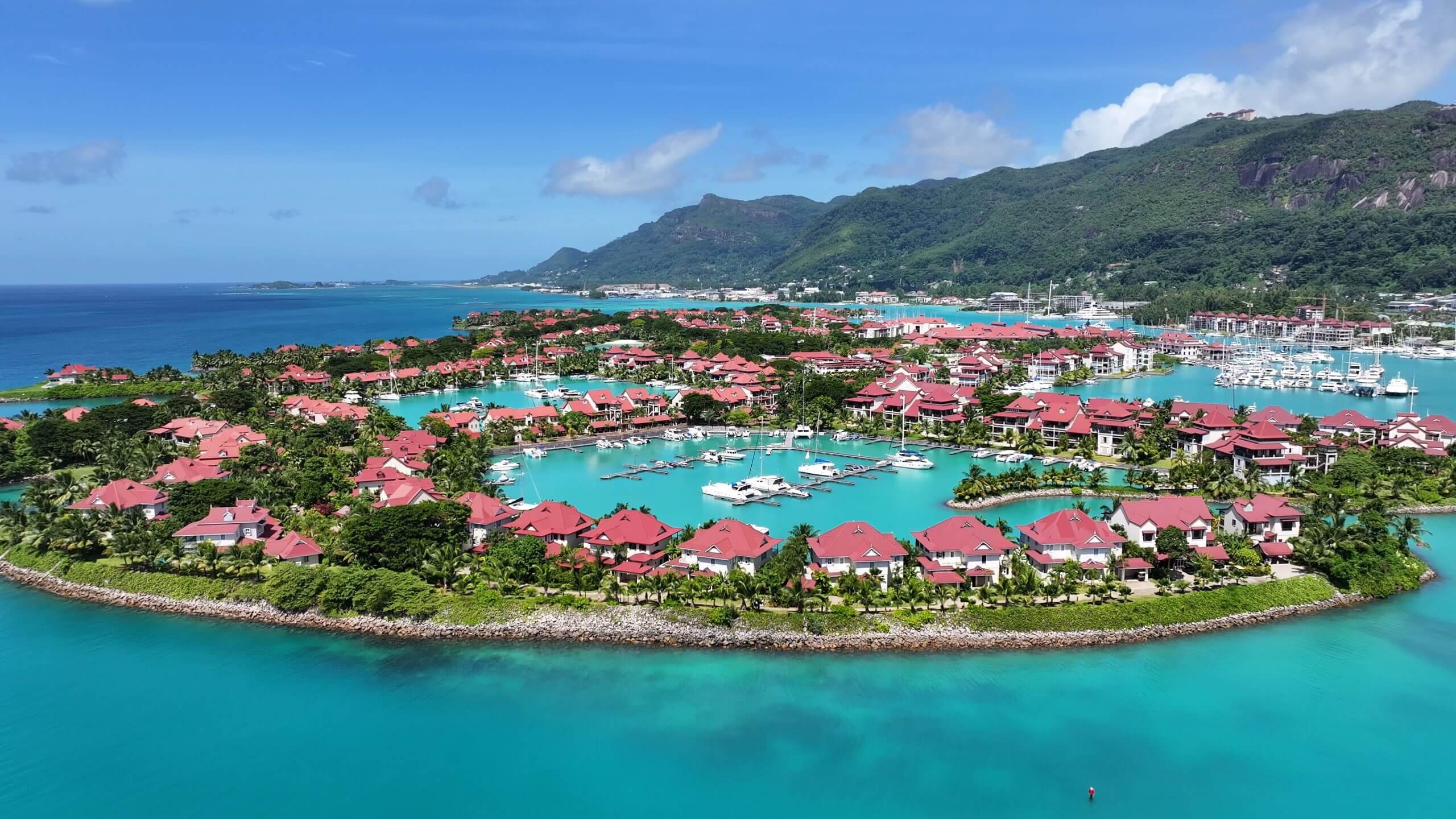
The report further highlighted that Seychelles’ tourism industry remains heavily concentrated in environmentally sensitive coastal zones, increasing exposure to flooding, coastal damage and infrastructure risks.
Despite these vulnerabilities, the IFC said Seychelles is positioning itself around a low-volume, high-value tourism model focused on sustainability, environmental protection and climate resilience.
The report argued that future competitiveness will depend increasingly on climate adaptation investments, renewable energy adoption, sustainable infrastructure and diversification away from excessive dependence on traditional beach tourism.
According to the study, the tourism sector already accounts for approximately 78% of total greenhouse gas emissions in Seychelles, largely due to long-haul aviation and energy-intensive hospitality operations.
The IFC also warned that mounting environmental pressures linked to waste management, energy costs and freshwater scarcity are already affecting hotel operators and tourism businesses across the country.
To strengthen resilience, the report recommended increased investment in climate-resilient infrastructure, renewable energy systems, nature-based tourism, coastal protection projects, green mobility solutions and blended climate finance instruments.
The study concluded that Seychelles’ long-term economic stability will increasingly depend on its ability to transition toward a more sustainable and climate-resilient tourism model capable of protecting both natural ecosystems and tourism revenues in an increasingly climate-constrained global economy.
