
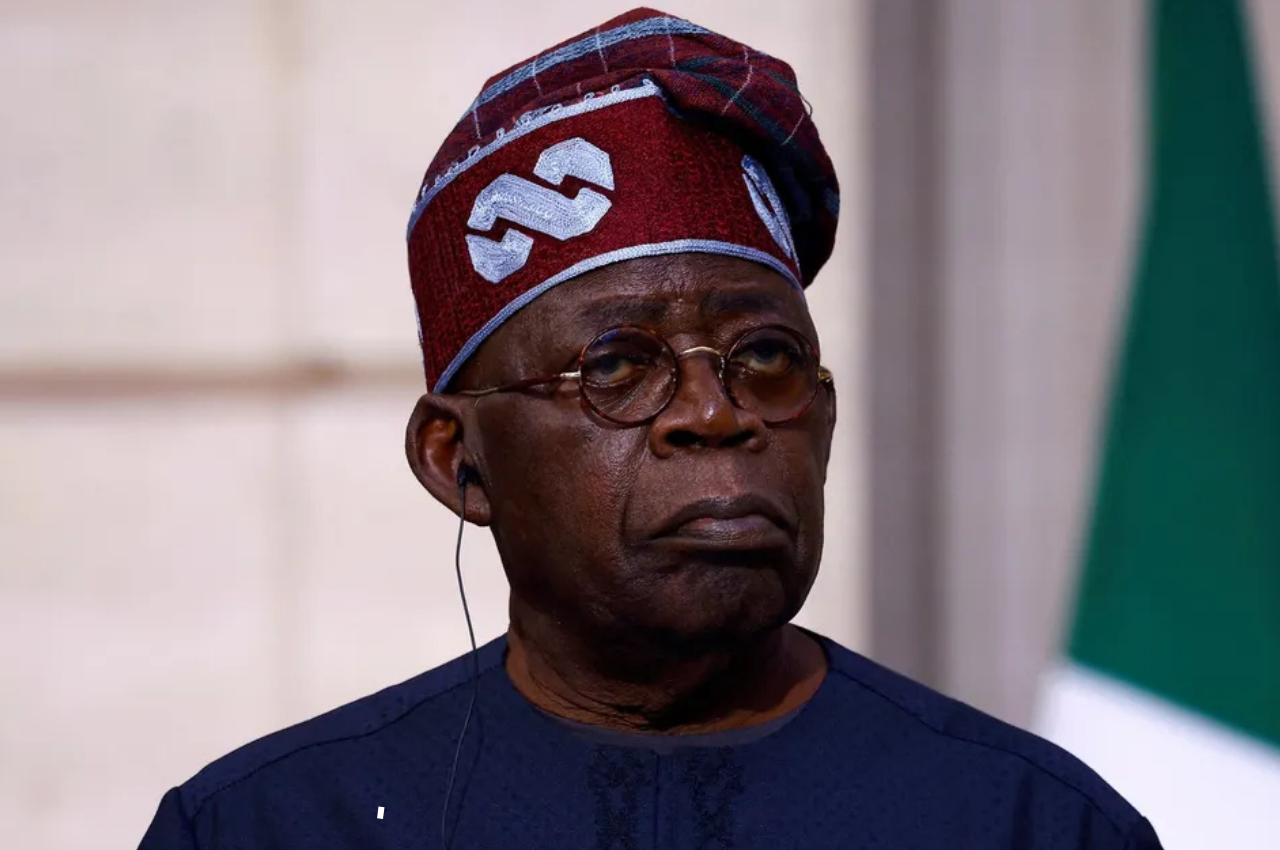
LAGOS, May 25 – Nigeria’s president Bola Tinubu has strengthened his bid for a second and final presidential term after securing an overwhelming victory in the presidential primaries of the ruling All Progressives Congress.
Results released on Sunday showed Tinubu defeated challenger Stanley Osifo by a wide margin after the ruling party conducted its primary elections on Saturday.
Tinubu received nearly 11 million votes compared with approximately 16,500 votes for Osifo, reinforcing his position as the APC’s dominant candidate ahead of Nigeria’s presidential election scheduled for January.
The primary contest had initially drawn attention after Osifo emerged as a surprise challenger, although Tinubu entered the race with broad institutional backing from the ruling party.
The outcome further consolidates Tinubu’s influence within the APC and strengthens his path toward seeking another four-year term in office.
His re-election prospects have also received support from recent political developments after an opposition effort to unite behind a single presidential candidate reportedly collapsed earlier this month.
Since assuming office in 2023, Tinubu has implemented some of Nigeria’s most significant economic reforms in decades.
His administration removed long-standing fuel and electricity subsidies, allowed greater exchange-rate flexibility and pursued broad tax reforms aimed at restructuring Africa’s largest economy.
The policy changes have been welcomed by international investors and financial institutions as important steps toward improving fiscal sustainability and correcting economic imbalances.
However, the reforms have also increased living costs for many Nigerians, contributing to inflation pressures and broader concerns over affordability across households and businesses.
Tinubu entered office after winning Nigeria’s 2023 presidential election against two major opposition rivals who later challenged the results in court, alleging electoral irregularities.
The legal challenges were unsuccessful, while Tinubu maintained that his election victory was legitimate.
With the ruling party’s nomination process largely concluded, political attention is now likely to shift toward the opposition landscape and the broader campaign environment ahead of the election.
