
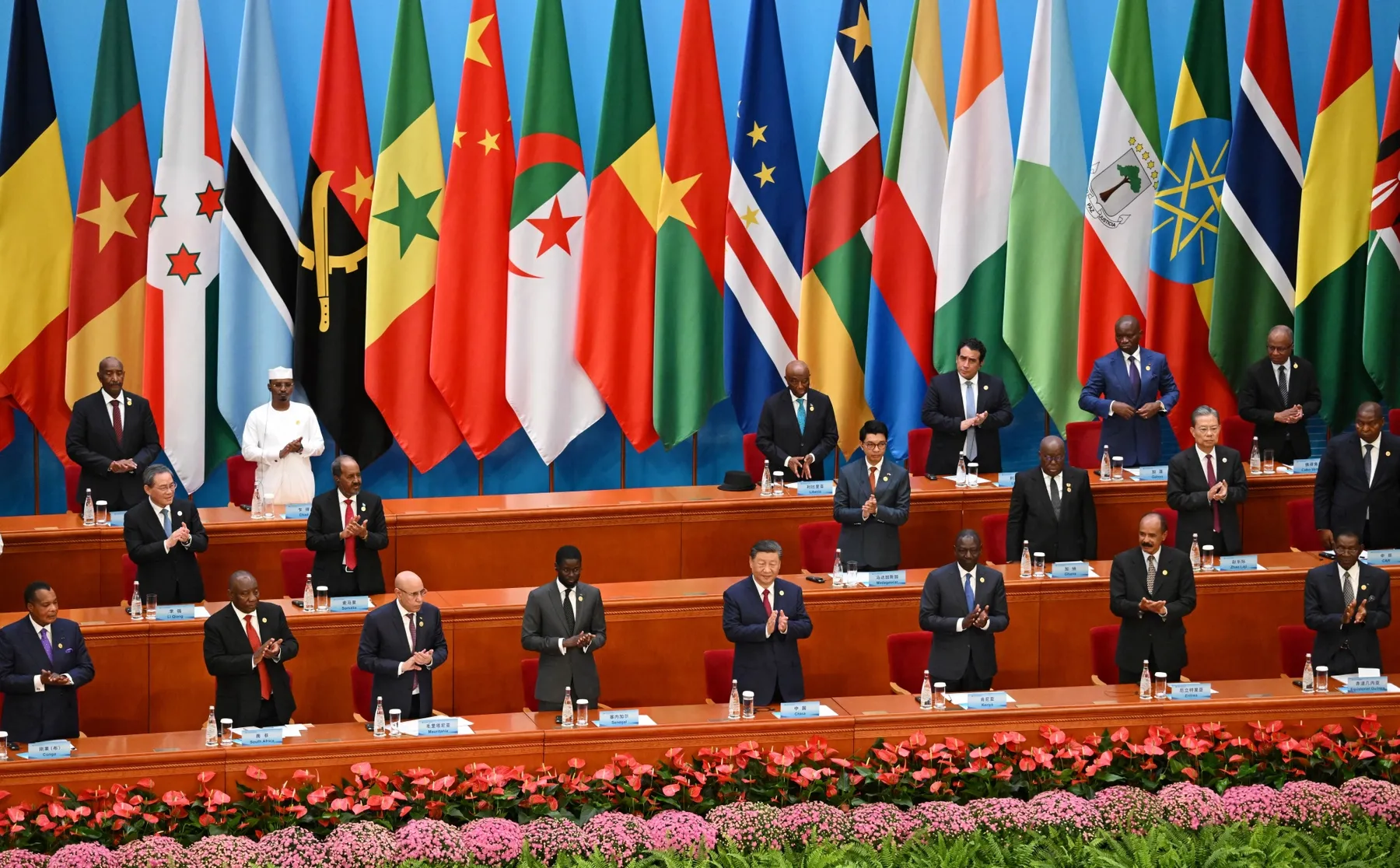
BEIJING, May 4 – China’s expanded zero-tariff policy for African imports officially came into effect on May 1, extending duty-free access to 53 countries and excluding only Eswatini due to its diplomatic ties with Taiwan.
The policy builds on an earlier initiative introduced in December 2024, when Beijing granted duty-free access to 33 least-developed African countries. The expanded framework will remain in place until April 30, 2028, though its future beyond that date remains unclear.
Chinese officials have framed the move as a landmark step, positioning the country as the first major economy to offer unilateral zero-tariff access to the continent. Analysts, however, argue that tariffs are rarely the primary constraint on African exports, pointing instead to deeper structural challenges.
The shift comes as Beijing seeks to strengthen its economic and diplomatic footprint across Africa, contrasting its approach with that of the United States under President Donald Trump, whose administration imposed tariffs on several African countries before many were reduced to a baseline level.
While improved market access could support sectors such as agriculture, the broader trade relationship remains heavily imbalanced. Africa’s trade deficit with China widened by 65% last year to about $102 billion, reflecting the continent’s continued reliance on exporting raw materials such as crude oil and minerals, while importing higher-value manufactured goods.
China’s main trading partners in Africa, including Angola, Democratic Republic of the Congo and South Africa, are largely driven by commodity exports. Economists say that without diversification and industrial expansion, the new tariff regime may reinforce existing trade patterns rather than transform them.
More industrialised economies such as Morocco and South Africa are expected to benefit more, given their stronger manufacturing and export capacity. Less diversified economies, by contrast, may struggle to take advantage of the expanded access due to weak logistics, limited production capacity and infrastructure gaps.
In the near term, the policy could boost exports of agricultural products such as coffee, nuts and avocados, reflecting shifting consumer demand within China. Over the longer term, however, analysts say the impact will depend on whether African economies can move up the value chain and expand domestic processing capabilities.
The exclusion of Eswatini underscores the geopolitical dimension of the policy. The country remains one of a small number globally that maintains diplomatic relations with Taiwan, which Beijing considers a breakaway province. Analysts view the move as largely symbolic, with limited direct economic consequences, but indicative of how trade policy can intersect with diplomatic priorities.
For African economies, the expanded tariff access offers an opportunity to increase exports and foreign exchange earnings. But without parallel reforms to boost industrial capacity, improve infrastructure and support value-added production, the policy alone is unlikely to address the structural drivers of the continent’s persistent trade deficits.
