
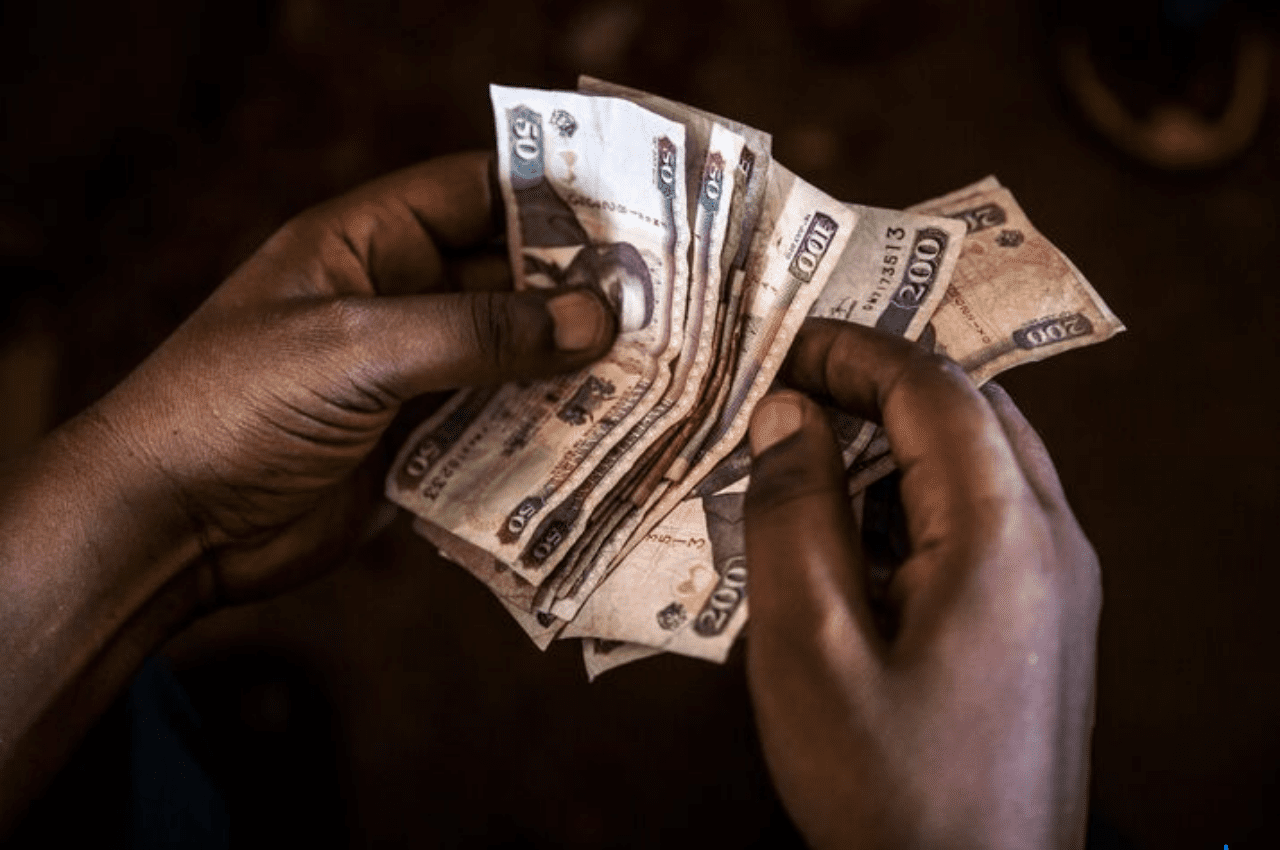
NAIROBI, April 21 – Kenya’s shilling is facing renewed pressure as global oil prices rise, with strategists at major international banks warning that the currency remains one of the most vulnerable in Africa.
Analysts at Citigroup Inc., Standard Chartered Plc and Societe Generale SA said the shilling could weaken further in the coming months, with Standard Chartered projecting a move to 132 per dollar by year-end. The currency traded at 129.1 per dollar on Tuesday, largely steady but still near levels tested earlier this month when it briefly crossed 130.
The Central Bank of Kenya said it has sufficient buffers to manage volatility, citing foreign exchange reserves of $13.3 billion. Governor Kamau Thugge noted that nearly $1 billion has already been deployed in the past five weeks following the outbreak of conflict in the Middle East.
Rising oil prices are increasing import costs for the country, which relies heavily on fuel imports. As a result, the central bank now expects the current-account deficit to widen to 3% of gross domestic product this year, up from a previous estimate of 2.2%.
External pressures are also affecting inflows as about 10% of Kenya’s remittances come from the Gulf region, while key export sectors are facing disruptions linked to the conflict.
Market sentiment has weakened alongside these developments. The Nairobi Securities Exchange recorded foreign outflows for a fifth straight quarter in the three months through March, with outflows more than doubling after the conflict began.
Further downside risks remain if oil prices stay elevated. Citigroup said the shilling could weaken to as low as 135 per dollar if crude prices rise above $100 and authorities allow greater exchange-rate adjustment.
