
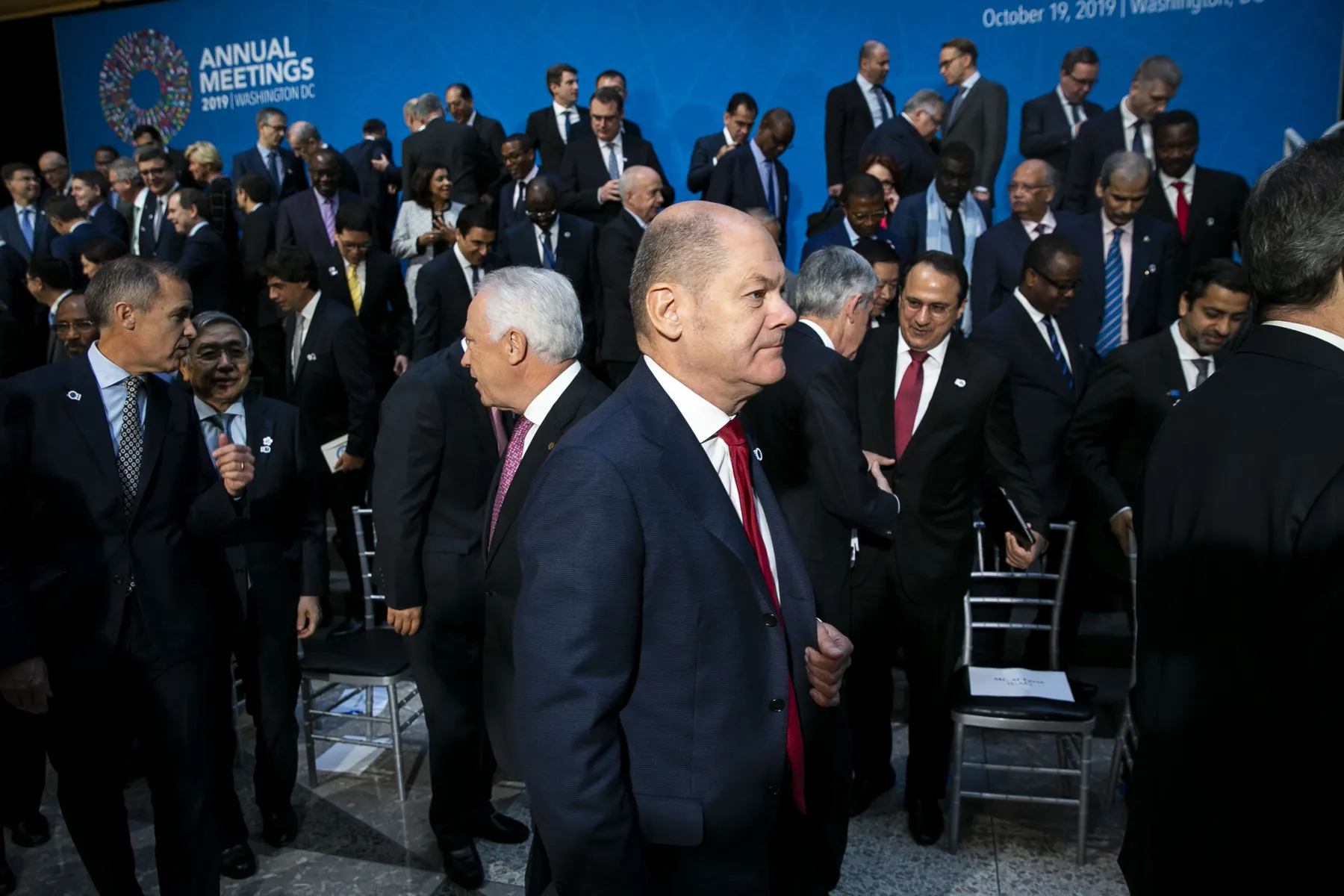
WASHINGTON, April 13 – Global economic policymakers are set to convene in Washington, D.C. for the spring meetings of the International Monetary Fund and World Bank, with the economic fallout from the US-Iran conflict dominating the agenda.
The gathering, scheduled for April 13–18, comes as governments and central banks assess the impact of escalating geopolitical tensions on global growth, inflation and financial stability.
IMF Managing Director Kristalina Georgieva warned that the global economy is entering a more fragile phase, with reduced fiscal space and increasing policy trade-offs limiting the ability of countries to respond to shocks. She signalled that updated forecasts will reflect weaker growth prospects following the conflict.
Earlier projections had pointed to global expansion of 3.3% in 2026, including 2.1% growth in the US and 1.4% in the euro area, but the outbreak of hostilities has disrupted that outlook.
Economists say the coming months will be critical in determining how resilient major economies are to the shock. Analysts at Allianz SE noted that the next few quarters will test whether economies can absorb the impact or face deeper slowdowns.
While a temporary ceasefire between the US and Iran has eased immediate risks, uncertainty remains over the stability of key global supply routes, particularly the Strait of Hormuz. Sustained normalisation of shipping flows will be crucial for stabilising energy markets and inflation expectations.
In Africa, attention is turning to inflation dynamics, particularly in Nigeria, where rising fuel costs have already begun to feed into transport and food prices. March data is expected to reflect the first full impact of the conflict, with monthly inflation accelerating even as annual figures may show some moderation due to base effects.
The meetings underscore growing concern that geopolitical shocks are becoming more frequent and harder to manage, raising the stakes for coordinated global policy responses in an increasingly uncertain economic environment.