
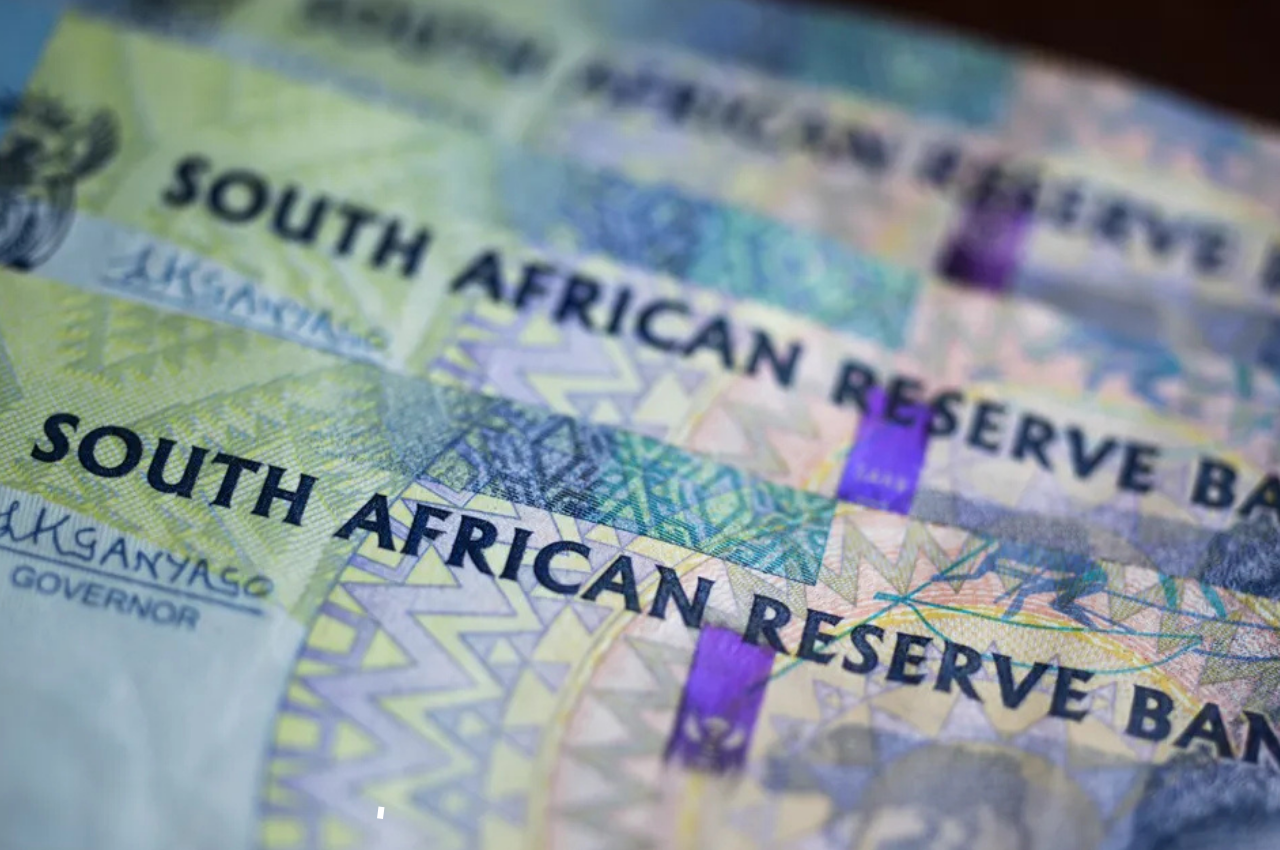
JOHANNESBURG, Mar 13 – The South African rand weakened on Friday and is heading for its second consecutive week of losses as rising global oil prices heighten inflation concerns and pressure emerging market currencies.
By 08:05 GMT, the rand was trading at 16.94 per dollar, about 0.9% weaker than its previous close.
The currency has been under pressure since the conflict involving the United States, Israel and Iran escalated nearly two weeks ago, disrupting global energy markets. The rand declined more than 3% last week and is on track to fall by around 2% again this week.
Rising energy costs present a challenge for South Africa, which relies heavily on imported fuel. Higher oil prices could increase import bills and intensify inflationary pressures.
Market concerns intensified after Mojtaba Khamenei signaled that Tehran intends to keep the strategic Strait of Hormuz closed as leverage against the United States and Israel.
The move has heightened fears over global energy supply disruptions. Benchmark oil prices climbed above $100 per barrel despite efforts by Washington to ease supply pressures by issuing a 30 day license allowing countries to purchase Russian oil and petroleum products stranded at sea.
Analysts at ETM Analytics warned that sustained high oil prices could have broader implications for South Africa’s external balances.
According to the firm, higher energy import costs may narrow the country’s trade surplus and place renewed pressure on its current account if elevated oil prices persist.
The currency showed little reaction to recent data showing that South Africa posted its first current account surplus in more than two years during the final quarter of 2025, supported largely by stronger precious metal prices.
Market strategists say that as long as geopolitical tensions continue to drive volatility in oil markets, emerging market currencies such as the rand are likely to underperform developed market counterparts, particularly the United States dollar.
On equity markets, the benchmark FTSE/JSE Top 40 Index fell about 1.2% in early trading on the Johannesburg Stock Exchange.
Meanwhile, South Africa’s benchmark 2035 government bond weakened, with yields rising by 11 basis points to 8.825%, reflecting increased risk sentiment among investors.
