
JOHANNESBURG, Mar 1 – Global oil prices surged over the weekend after U.S. and Israeli military strikes on Iran heightened fears of a broader Middle East conflict.
Brent crude rose roughly 10% in over the counter trading on Sunday to about $80 a barrel, according to traders. The benchmark had already climbed to $73 a barrel on Friday, its highest level since July, amid mounting concerns over potential military escalation. Futures markets were closed during the weekend.
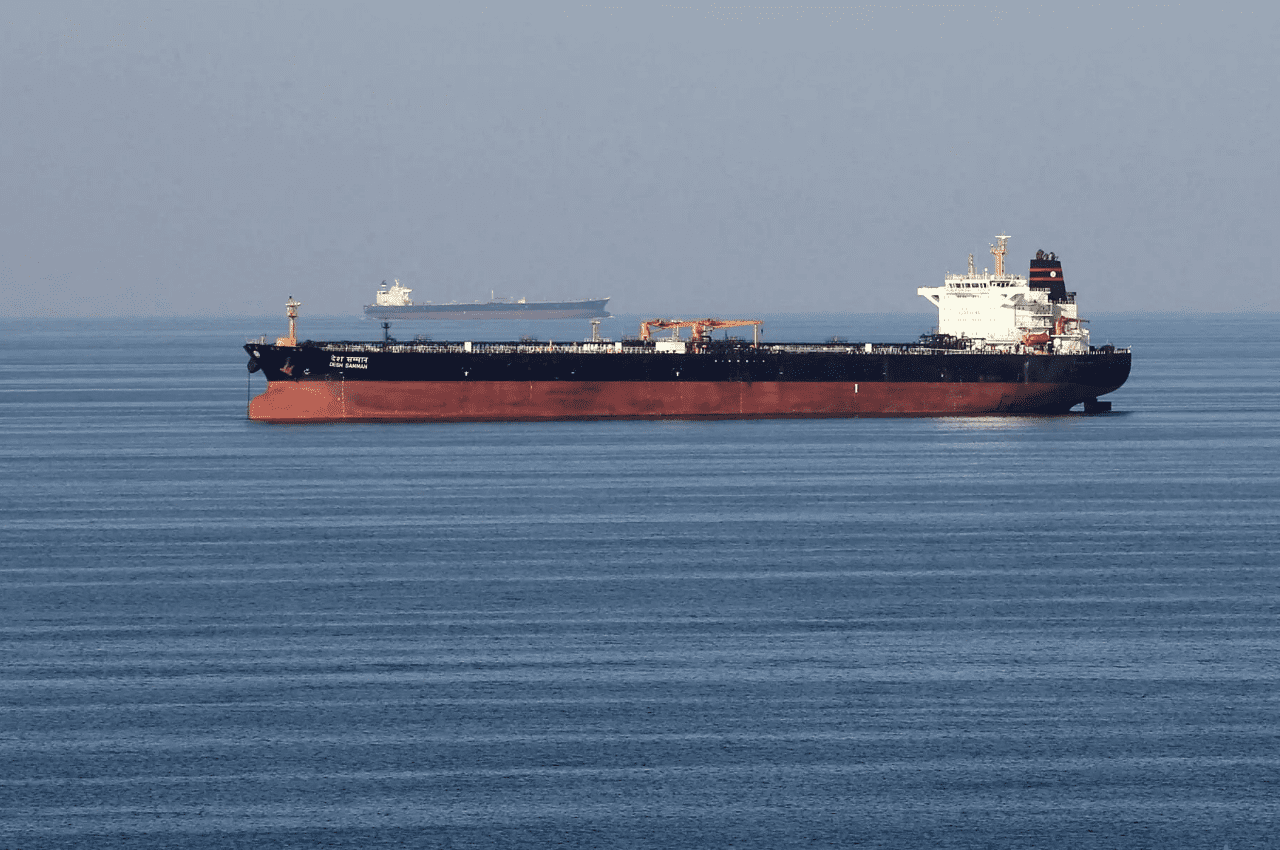
Energy analysts say the trajectory of prices will largely depend on developments around the Strait of Hormuz, a critical shipping route through which more than one fifth of the world’s oil supply passes.
Ajay Parmar, director of energy and refining at ICIS, said that while military action itself tends to support higher oil prices, the central risk lies in a potential closure or prolonged disruption of the strait. Several tanker operators, oil majors, and commodity traders have reportedly paused shipments of crude, refined products, and liquefied natural gas through the waterway after warnings from Tehran.
Parmar noted that if the strait remains offline for an extended period, prices could open near $100 per barrel when markets resume trading and possibly move beyond that threshold.
Analysts at RBC, including Helima Croft, and those at Barclays echoed similar projections, warning that sustained supply disruptions could push oil above $100 a barrel.
Meanwhile, the OPEC+ alliance agreed to increase production by 206,000 barrels per day starting in April. The increment represents less than 0.2% of global demand and is unlikely to offset significant losses if exports through the Strait of Hormuz are severely curtailed.
According to Rystad Energy economist Jorge Leon, even with alternative routes such as Saudi Arabia’s East West pipeline and infrastructure in Abu Dhabi, a full closure of the strait could remove between 8 million and 10 million barrels per day from global supply. Rystad estimates prices could initially rise by about $20, bringing Brent close to $92 per barrel when trading resumes.
The escalating crisis has also prompted Asian governments and refiners to review strategic reserves and explore alternative shipping routes to mitigate potential supply shocks.
