LAGOS, Nov 23 – Nigeria has called for a governance structure that gives greater weight to the financial commitments and economic responsibilities of countries participating in the proposed Economic Community of West African States (ECOWAS) Monetary Union, placing the distribution of decision-making authority at the Centre of negotiations over the planned ECO single currency.
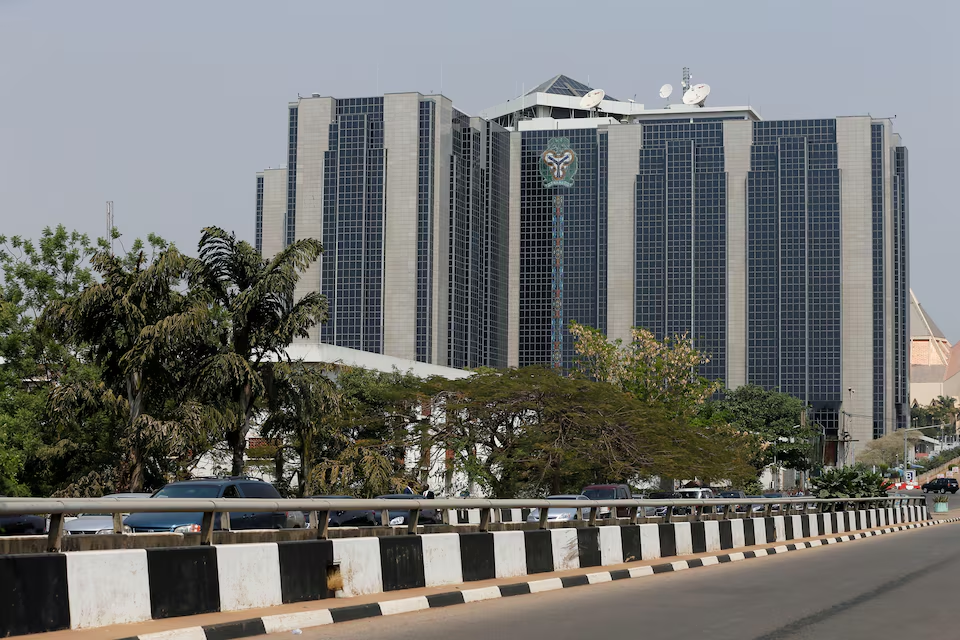
The Central Bank of Nigeria (CBN) Governor Olayemi Cardoso presented the position on November 22, 2026, at the Ministerial Session of the sixth Presidential Task Force Meeting on the ECOWAS Single Currency Programme in Abidjan, Côte d’Ivoire.
Cardoso argued that while regional solidarity and the sovereign equality of member states must remain fundamental principles of the proposed union, these should be balanced against the financial contributions, responsibilities and risks assumed by individual countries.
His position reflects Nigeria’s concern that its anticipated financial and institutional commitments to the monetary union should be matched by meaningful participation in the institutions responsible for its management.
“While bigger economies continue to take up the burden, they should also be considered to play a significant role because of the risk and systemic importance they have in the sub-region,” Cardoso said.
He warned that a framework in which countries share substantial financial obligations without corresponding influence in governance could face long-term sustainability challenges.
“Where obligations are shared but influence is not, arrangements may be agreed, but their long-term sustainability may be difficult to guarantee,” he added.
Nigeria links financial commitments to governance representation
Nigeria’s position is rooted in its anticipated role as one of the principal financial contributors to the proposed monetary union and its importance within the West African economy.
Cardoso said the country had demonstrated its commitment to the ECOWAS Monetary Cooperation Programme through financial contributions, technical support and compromises made to advance regional consensus.
He maintained that Nigeria’s position was not motivated by a desire for dominance or special entitlement, but by the need to align responsibility, accountability and participation in decision-making with the scale of its commitments.
The governor said Nigeria would commit substantial financial resources, foreign reserves and institutional capital to the establishment of the ECO. He argued that the country must therefore have an appropriate voice in the governance arrangements of the institutions it would help finance and sustain.
The issue also has domestic accountability implications. Governments making substantial financial commitments to regional institutions must be able to justify those contributions before their national parliaments and civil society. For Nigeria, Cardoso suggested, meaningful representation would help strengthen the political and institutional basis for sustaining its participation.
He nevertheless reaffirmed the country’s commitment to the proposed currency, saying Nigeria remained fully supportive of a monetary union that is credible, sustainable and beneficial to all participating states.
Governance architecture becomes central to ECO preparations
The Abidjan meeting brought together finance ministers and central bank governors from member states represented on the Presidential Task Force, with discussions increasingly focused on the institutional architecture of the proposed union.
Key questions include where the monetary union’s institutions will be located, how leadership positions will be allocated and how authority and responsibilities will be distributed among participating countries.
These decisions will shape the institutional structure through which monetary policy, financial oversight and other shared responsibilities are managed.
Cardoso described the deliberations as a defining stage in West Africa’s monetary integration process, warning that the outcomes would have implications extending well beyond the initial introduction of the currency.
“The decisions we take today will shape the future of the Union for decades to come,” he told delegates.
He said the governance framework would influence the proposed union’s credibility among investors and development partners, its legitimacy among citizens and the confidence of member states that their commitments would be matched by meaningful participation.
The governor also urged delegates to approach the negotiations with openness, mutual respect and a willingness to compromise. He expressed confidence that member states could reach an arrangement that balances national interests with the broader objectives of regional integration.
Balancing economic weight with sovereign equality
Nigeria’s call raises a fundamental institutional question for the proposed monetary union: how to reconcile the sovereign equality of participating countries with differences in economic size, financial capacity and exposure to shared risks.
A governance model based primarily on equal representation would protect the formal equality of member states. However, countries making larger financial contributions may seek a greater role in decisions affecting the deployment of resources, the management of shared risks and the operation of regional institutions.
Conversely, giving greater decision-making weight to larger economies could raise concerns among smaller countries about the concentration of influence within the union.
The negotiations will therefore need to establish how financial contributions and economic responsibilities can be recognised without undermining the principle of collective ownership. The distribution of leadership positions, voting arrangements and institutional responsibilities will be important to securing that balance.
Cardoso’s remarks did not set out a specific voting formula or propose a definitive allocation of leadership positions. Rather, they establish Nigeria’s position that the governance structure should reflect the responsibilities and risks assumed by participating countries.
The 2027 target and the challenges of monetary integration
The proposed ECO is part of ECOWAS’ longstanding effort to deepen regional economic integration through a common currency. The current roadmap envisages a phased introduction from 2027, although the proposed timeline remains dependent on institutional preparations and agreement among participating countries.
A common currency could facilitate cross-border payments, reduce currency conversion costs and support trade and investment across West Africa. It would also require member states to coordinate monetary and economic policies within a shared institutional framework.
That process involves more than agreeing on a currency and its introduction date. Participating countries must establish credible institutions, define decision-making powers and build confidence that the monetary union can operate effectively across economies with different structures and fiscal conditions.
The governance discussions in Abidjan therefore address one of the central requirements for the proposed arrangement: ensuring that member states have confidence in how authority, responsibilities and financial commitments will be distributed.
For Nigeria, the priority is to ensure that its anticipated contribution and exposure are recognised in the union’s institutional design. For the wider ECOWAS bloc, the challenge is to develop a framework that accommodates differences in economic capacity while preserving the collective commitment required for monetary integration.
The outcome of these negotiations will help determine whether the proposed ECO can move from a longstanding regional ambition towards a sustainable institutional arrangement.