
DAKAR, Oct 28 – Senegal’s National Assembly will reconsider a revised 2026 budget after the legislature’s finance committee rejected the bill last week, reopening a fiscal process considered crucial to negotiations over a new programme with the International Monetary Fund (IMF).
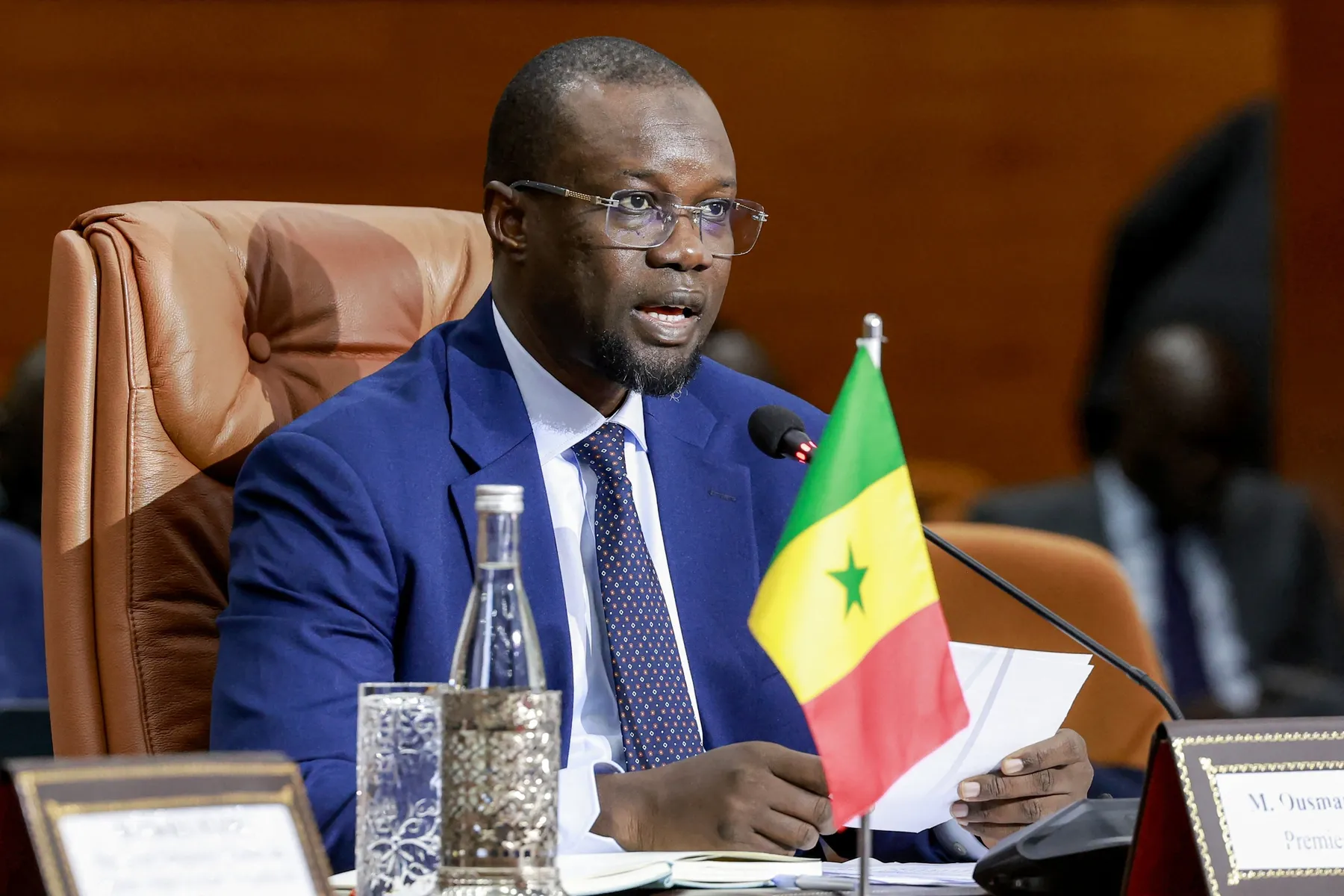
National Assembly President Ousmane Sonko said on Tuesday that the revised budget would be referred back to the finance committee for further examination after Finance Minister Cheikh Diba requested another review during a parliamentary debate.
Sonko said he would work to establish dates for the committee proceedings and the next plenary session, where lawmakers could consider the text.
The reconsideration comes after Sonko said earlier in October that lawmakers from his Pastef party would not support the bill in its existing form. The finance committee subsequently rejected the proposal, complicating efforts to advance the government’s revised fiscal framework.
Revised projections reflect mounting fiscal pressures
The amended 2026 budget reduces projected real gross domestic product growth to 2.7%, from approximately 5% under the earlier outlook, while increasing the projected fiscal deficit to 7.6% of GDP from 5.4%.
The revised figures reflect the fiscal challenges facing Senegal as the government works to address a substantial public debt burden and restore confidence in its financial reporting.
International Monetary Fund figures show that Senegal’s debt had reached 132% of GDP by the end of 2024, following the discovery by the current administration of billions of dollars in borrowing that had been misreported by the previous government.
The debt revelations have complicated Senegal’s fiscal planning and its engagement with international creditors, increasing the importance of a credible budget framework and clearer public-finance disclosures.
IMF programme remains a key consideration
The revised budget is an important element in Senegal’s efforts to secure a new IMF programme. Further parliamentary scrutiny means the timing and final shape of the fiscal framework remain uncertain.
The finance committee’s reconsideration could provide a route towards renewed legislative discussions, but the bill’s passage will depend on the outcome of those deliberations and the government’s ability to secure sufficient support among lawmakers.
For Senegal, the challenge is to reconcile weaker growth projections and a higher deficit target with the need to manage public debt and establish a fiscal framework acceptable to international financing partners.
The coming parliamentary proceedings will therefore be significant for both the government’s 2026 budget and the broader effort to restore fiscal credibility following the disclosure of previously unreported borrowing.
