
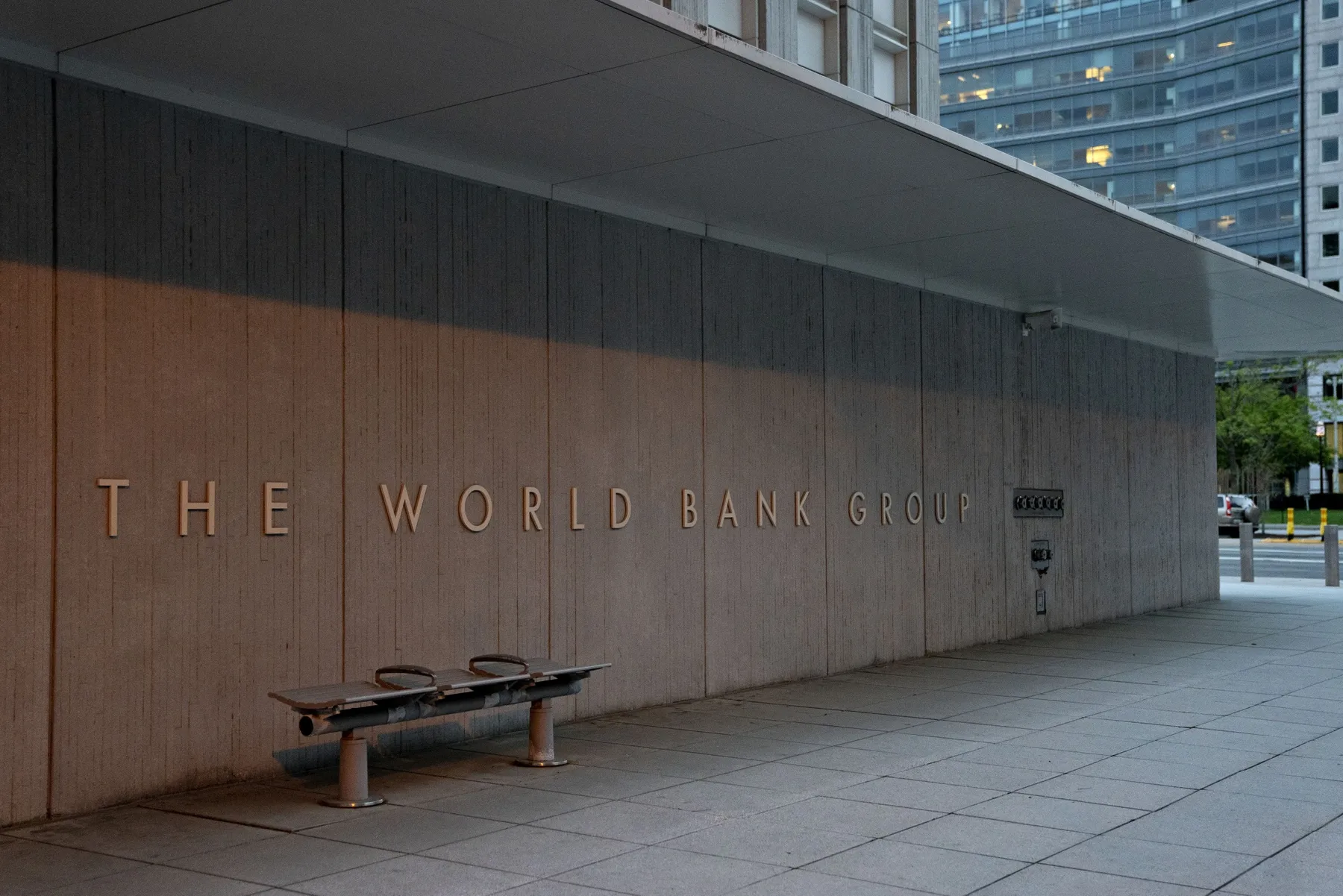
DOUALA, Oct 3 – Cameroon has authorized a €347.5 million ($390.9 million) loan from the World Bank’s International Bank for Reconstruction and Development (IBRD) to support development of the Douala-Bangui Economic Corridor.
The financing was approved by President Paul Biya through a presidential decree issued on Friday. The project will support the transport and trade corridor connecting Douala, Cameroon’s economic hub and major port city, with Bangui, the capital of the Central African Republic.
The corridor is a critical trade route for the Central African Republic, which relies heavily on Cameroon’s transport infrastructure and the Port of Douala for access to international markets.
In a separate decree, the president authorised Cameroon’s economy minister to sign a €212.35 million ($238.9 million) financing agreement with the Islamic Development Bank for the rehabilitation of the Douala-Bafoussam highway.
The additional financing will support upgrades to a major road link connecting Douala with Bafoussam in Cameroon’s western region, strengthening domestic connectivity alongside the country’s regional transport infrastructure.
Rising Infrastructure Financing
The latest agreements come as Cameroon increases its reliance on borrowing to finance infrastructure and address fiscal pressures. In August, a presidential decree authorised the finance minister to borrow up to 930 billion CFA francs ($1.67 billion) through domestic and external financing to fund development projects and settle outstanding arrears.
The new multilateral loans add to Cameroon’s efforts to mobilise long-term financing for transport infrastructure while maintaining access to concessional and development-oriented capital.
Cameroon is Central Africa’s largest economy, with major economic activity spanning oil and gas, cocoa, timber and other commodities. Improving transport links is particularly important for connecting production centres with domestic and regional markets.
The Douala-Bangui corridor also has broader regional significance, linking Cameroon’s principal commercial gateway with a landlocked neighbouring economy and supporting the movement of goods across Central Africa.
