
African Economy Inc.
  • Home
  • Economy
  • Business
  • Markets
  • Finance
  • Credit Ratings
  • Policy
  • Tech
African Economy Inc.
  • Home
  • Economy
  • Business
  • Markets
  • Finance
  • Credit Ratings
  • Policy
  • Tech
Top News
French Insurtech Alan Acquires Senegal’s Tanel to Expand Health Insurance Across West Africa
Chinese President Xi’s Egypt Visit Deepens China’s Strategic and Economic Ties With Cairo
Ghana Inflation Rises to 5% in August as Higher Oil Prices Add to Pressure
Senegal Eurobonds Recover as IMF Reaches $2.2 Billion Loan Deal with Government
Algeria Reshuffles Cabinet as Central Bank Governor Moves to Finance Ministry
Cascador Selects 10 Growth-Stage Nigerian Businesses For 2026 ScaleUp Programme
Alan Acquires Senegal’s Tanel in Rare Francophone Africa Healthtech Exit
Senegal Debt Crisis Deepens as Country Reaches $2.2 Billion IMF Deal
Zambia Sees $1.8 Billion Gold Opportunity as State Investor Targets Informal Mining
Continental Re to Launch Botswana’s First IPO Since 2017, Targeting $155 Million
WIOCC Group has secured a $300 million investment from AFC and Vision Invest
IMF, Senegal Reach $2.2 Billion Three-Year Loan Agreement as Debt Restructuring Begins
Ghana’s COCOBOD Pays $204 Million in Bond Obligations as Debt Restructuring Continues
Senegal Bonds Fall to Record Lows Ahead of Expected IMF Statement on Debt Restructuring
Epiroc Wins Large Equipment Order for Khoemacau Copper Mine Expansion in Botswana
SUBSCRIBE
African Economy Inc.
Subscribe
African Economy Inc.
  • Home
  • Economy
  • Business
  • Markets
  • Finance
  • Credit Ratings
  • Policy
  • Tech
Copyright 2026 - All Right Reserved
Home » Morocco Integrates More with Europe Than Africa, World Bank Report Says
Economy

Morocco Integrates More with Europe Than Africa, World Bank Report Says

by Oluebube Elechi September 1, 2026
written by Oluebube Elechi September 1, 2026
FacebookTwitterLinkedinEmail
7

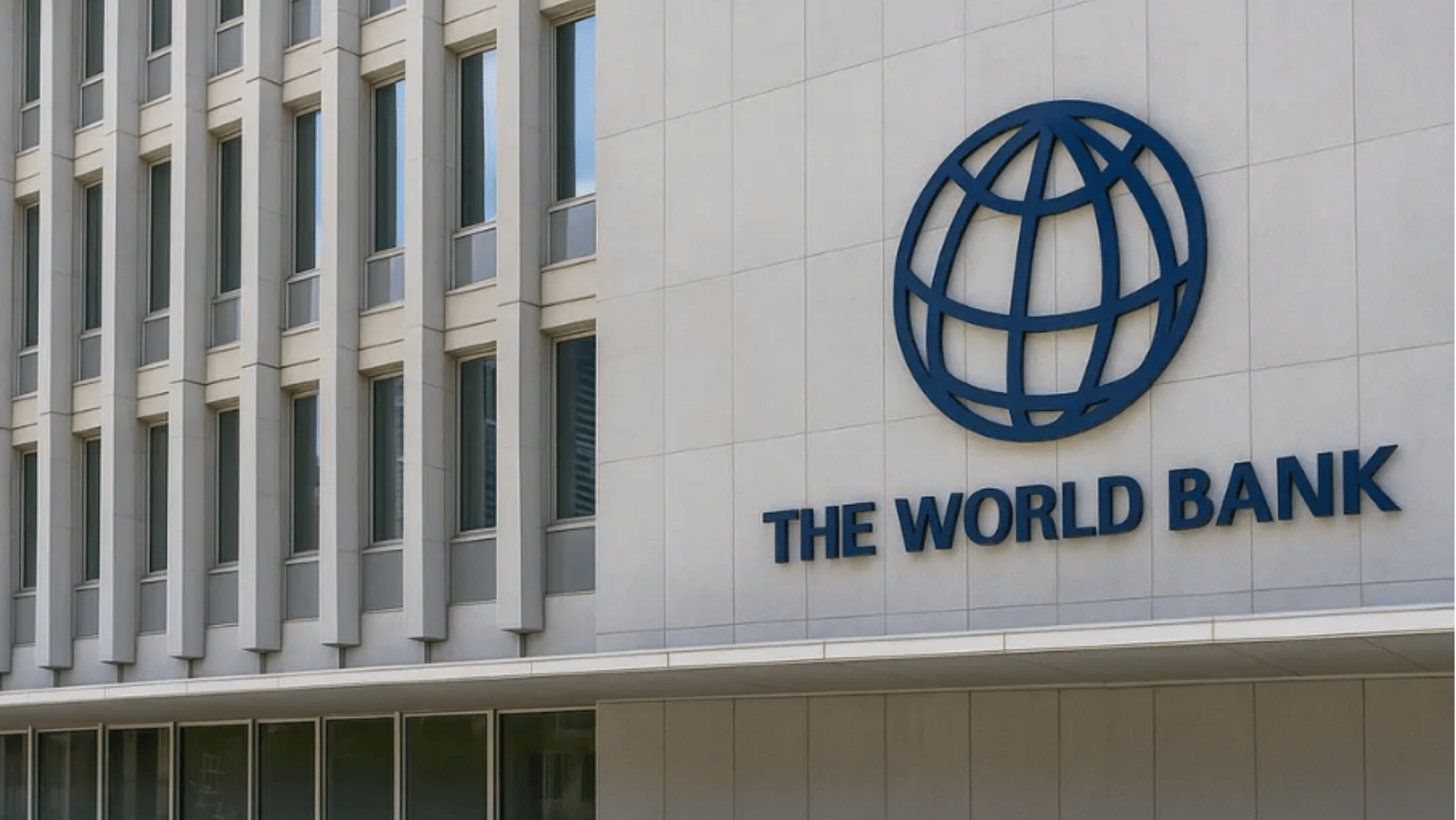
RABAT, Sept 1 – Morocco has developed stronger trade and manufacturing links with Europe than with other African markets, according to a new World Bank report examining the continent’s progress in regional integration and industrial development.

The report, “Integrating Africa: From Threads to Hubs,” says most African economies remain involved in global value chains mainly by exporting raw minerals, crude oil and unprocessed agricultural products. Only a small number, including Morocco, Kenya, South Africa and Tunisia, have developed deeper manufacturing links by importing intermediate goods for processing and assembly.

Morocco’s strongest examples are in the automotive and aerospace sectors, supported by export processing zones and global buyer networks. The country is also among Egypt and South Africa in driving processed-chemicals trade within Africa, covering products such as plastics, fertilisers and chemicals, a market worth about $2.7 billion.

The report says Morocco and Tunisia have developed niches in electronics, pharmaceuticals and automotive wiring systems, but much of their trade is directed towards Europe rather than African markets. It adds that their capabilities in machinery, chemicals and pharmaceuticals could support wider African production networks.

You Might Be Interested In
  • EU Commits €290m to Nigeria as Both Sides Deepen Trade and Security Ties

However, regional trade in North Africa remains limited. The Arab Maghreb Union (AMU) is ranked as Africa’s least integrated regional bloc, with trade between its members accounting for less than 5% of their total trade. The report links this to political divisions, regional tensions and weak institutional coordination.

This contrasts with the Southern African Development Community, which has the continent’s highest level of regional integration, with intra-African trade at about 37%.

The World Bank describes Morocco’s industrial growth as the result of deliberate policy choices, with early investment in pharmaceuticals, electronics and automotive components supported by public-private cooperation, European links and infrastructure.

Morocco is also identified as a potential provider of low-carbon trade frameworks as the European Union’s Carbon Border Adjustment Mechanism puts greater pressure on exporters to meet environmental standards.

The report notes that political tensions can still affect regional cooperation, citing Algeria’s 2021 decision to cut power exports to Morocco.

More broadly, nearly 85% of Africa’s trade leaves the continent, while intra-African trade accounts for only 15% to 17% of exports. However, trade within Africa is more diversified and manufacturing-focused, with manufactured goods making up more than 60% of intra-African trade.

The report calls for the African Continental Free Trade Area to move beyond legal agreements towards practical integration, saying deeper agreements could increase exports by up to 56%.

For Morocco, the report says the challenge is to use its established industrial base to expand further into African markets, particularly neighbouring countries where its potential remains largely untapped.

Read Next

  • Libya’s Sharara Oilfield Set to Resume Full Output After Pipeline Explosion

    March 30, 2026
  • Zimbabwe Expands Rail Capacity for Lithium Exports Through Mozambique’s Maputo Port

    July 21, 2026
  • Nigeria Returns to Frontier Market Status, Effective September 2026

    April 9, 2026
  • SADC Adds Angolan Kwanza to Regional Payment System in Boost for Cross-Border Trade

    July 27, 2026
  • Nigerian Defence-Tech Startup Terra Industries Closes $52 Million Seed Round

    August 17, 2026

Newsletter

Subscribe to our newsletter for trusted insights on Africa’s economies, markets, and business.

African Economy Inc. Logo

About Us

We are a business and economic intelligence platform delivering in-depth reporting, analysis, and insights on markets, companies and economic developments across Africa.

Our Company

  • AEI Intelligence
  • About
  • Editorial Standard
  • Partnerships
  • Advertise With Us
  • Careers
  • Ownership

News

  • Economy
  • Business
  • Markets
  • Finance
  • Credit Ratings
  • Policy
  • Tech

Useful Links

  • Privacy Policy
  • Terms of Use
  • Closed Captioning Policy
  • Accessibility Statement
  • Personal Information
  • Data Tracking
  • Register New Account

Subscribe Newsletter

Subscribe to our newsletter for trusted insights on Africa’s economies, markets, and business.

©2026 Majons Media Inc. All Rights Reserved.

Facebook Twitter Instagram Linkedin
African Economy Inc.
  • Economy
  • Business
  • Markets
  • Banking & Finance
  • Energy
  • Tech
  • Policy