
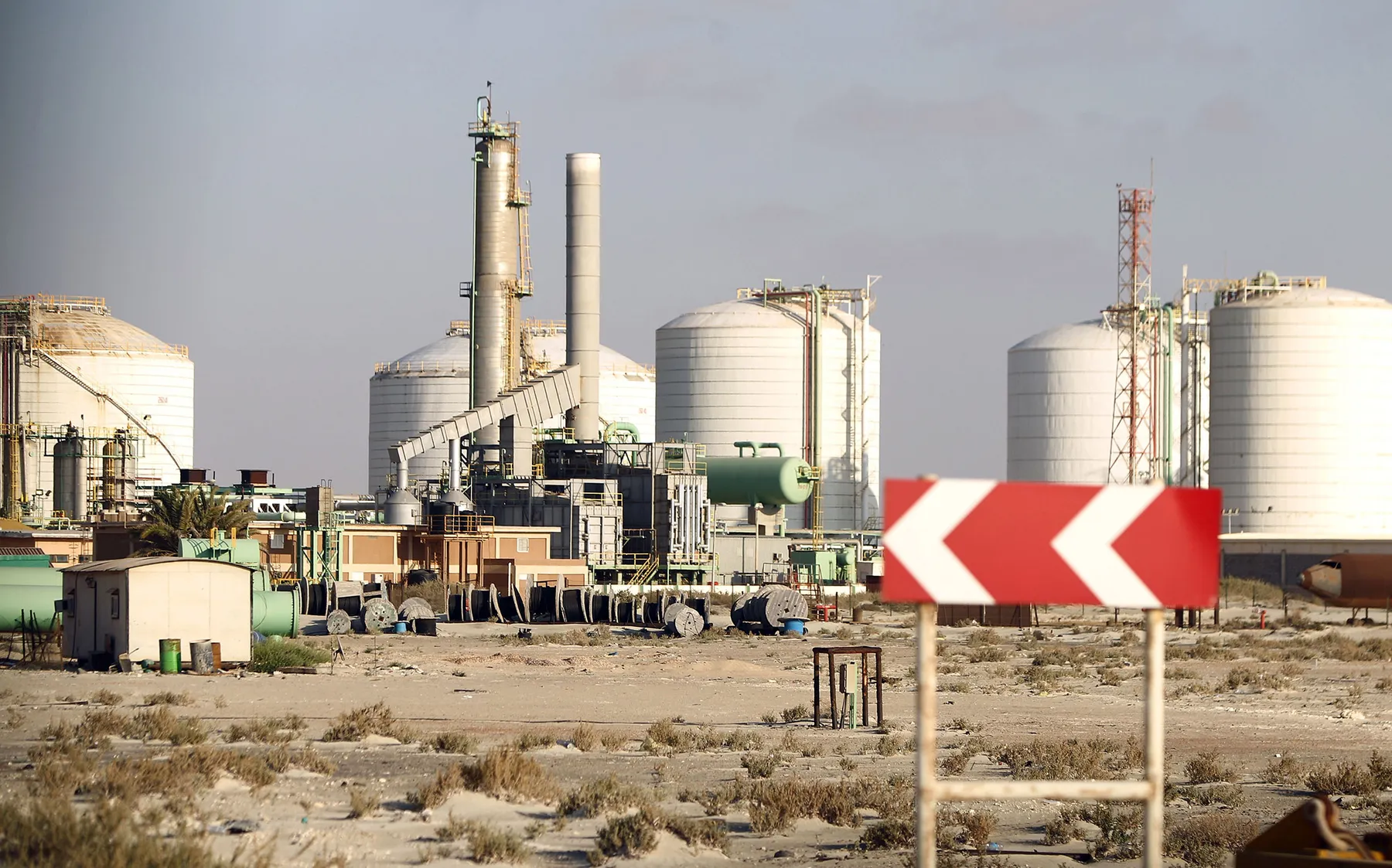
TRIPOLI, June 18 – Libya’s National Oil Corporation (NOC) has announced the successful drilling and testing of a new well at the Al-Khair oilfield, marking another step in Libya’s efforts to expand oil production and strengthen its energy sector.
According to the state-owned oil company, the newly drilled well is producing approximately 3,209 barrels of crude oil per day alongside 1.948 million cubic feet of associated natural gas per day.
The well was drilled by NOC subsidiary Sirte Oil Company, which oversees exploration, production and development activities in several of Libya’s key oil-producing regions.
NOC said testing results showed the well achieved a stable natural flow without the need for artificial lift systems, indicating strong reservoir performance and favorable production characteristics.
“The well demonstrated high production capacity, a stable natural flow, excellent oil quality, and a complete absence of associated water during the testing period,” the company said in a statement.
The drilling operation reached its planned total depth of 9,050 feet and encountered a reservoir section measuring approximately 174 feet in thickness.
Located within the prolific Sirte Basin, the Al-Khair oilfield began production in 2021 with initial output of around 6,000 barrels per day.
The latest drilling success is expected to support efforts to increase production from the field and contribute to Libya’s broader objective of expanding national oil output capacity.
Libya possesses Africa’s largest proven crude oil reserves and remains one of the continent’s most important energy producers.
The country’s economy is heavily dependent on hydrocarbons, with oil accounting for more than 95% of economic output, government revenues and export earnings.
Recent years have seen renewed efforts by Libyan authorities to attract investment, expand exploration activities and increase production despite ongoing political and security challenges.
The National Oil Corporation has set ambitious targets to raise production capacity, supported by new exploration agreements, field redevelopment projects and partnerships with international energy companies.
Industry analysts view the successful Al-Khair well as another positive indicator for Libya’s upstream sector as the country seeks to maximize production from existing assets while pursuing long-term investment in exploration and infrastructure development.
