
African Economy Inc.
  • Home
  • Economy
  • Business
  • Markets
  • Finance
  • Credit Ratings
  • Policy
  • Tech
African Economy Inc.
  • Home
  • Economy
  • Business
  • Markets
  • Finance
  • Credit Ratings
  • Policy
  • Tech
Monday, August 17, 2026
Top News
Madagascar Imports 63,000 Cubic Metres of Diesel as State Takes Control of Fuel Imports
South Africa Targets 2028 for Central Clearing Rules on OTC Derivatives
Fitch Upgrades Republic of Congo’s Local-Currency Rating to CCC+ on Lower Debt Risks
Nigeria’s Exports to China Surge 80% to $2.3 Billion in First Half of 2026
Resolute Mining and Guinea’s Nimba Mining Gold Form Joint Venture for Gold Exploration
Uganda Central Bank Holds Rate at 9.75% as Inflation Remains Contained
Nigeria Oil Production Falls 4% in July to 1.505 Million Barrels Per Day
India and SACU Launch Preferential Trade Talks to Expand Africa-India Commerce
Egypt Opens 2026 Oil and Gas Bid Round for 14 Exploration Blocks
Morocco Sets September 1 Deadline for Several 2026 Tax Payments
Standard Bank Half-Year Earnings Rise 10% to $1.62 Billion as Credit Costs Fall
Vodacom Appoints Former Airtel Africa CEO Segun Ogunsanya to Its Board
SEC Sets Time for Daily Trade Settlement Deadline for Nigeria’s Equities and Commodities Market
Central African Republic Inaugurates 50-MW Solar Plant to Expand Electricity Supply
Namibia Central Bank Holds Repo Rate at 6.75% as Growth Forecast Is Cut
SUBSCRIBE
African Economy Inc.
Subscribe
African Economy Inc.
  • Home
  • Economy
  • Business
  • Markets
  • Finance
  • Credit Ratings
  • Policy
  • Tech
Copyright 2026 - All Right Reserved
Home » South Africa Targets 2028 for Central Clearing Rules on OTC Derivatives
Banking & Finance

South Africa Targets 2028 for Central Clearing Rules on OTC Derivatives

by Emmanuel Ebube August 17, 2026
written by Emmanuel Ebube August 17, 2026
South Africa
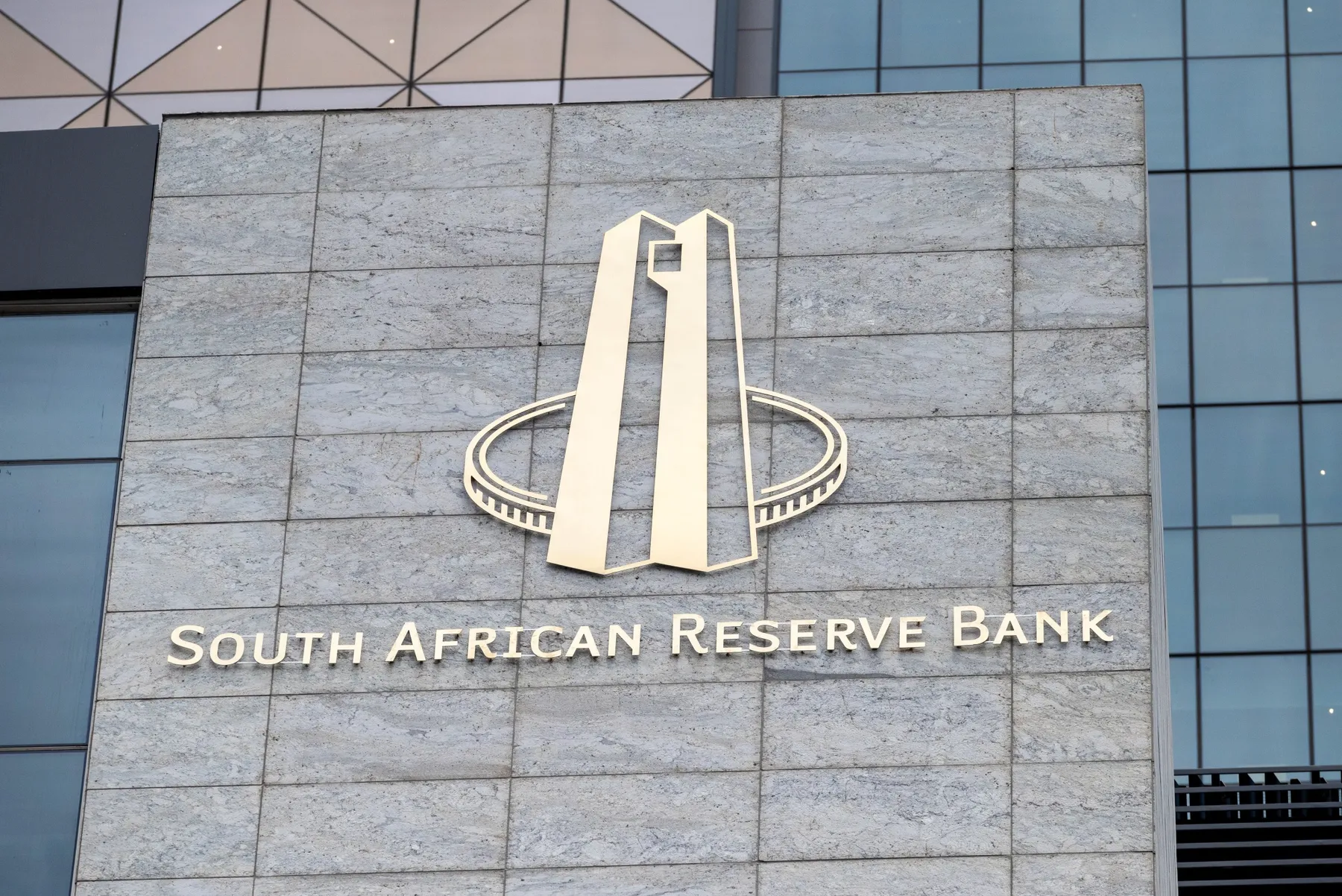
The South African Reserve bank headquarters in Pretoria, South Africa.Photographer: Leon Sadiki/Bloomberg
FacebookTwitterLinkedinEmail
4

JOHANNESBURG, Aug 17 – South Africa’s financial regulators are preparing rules that would require over-the-counter derivatives to be centrally cleared, with the framework expected to come into effect by 2028, according to the South African Reserve Bank.

According to Bloomberg, the proposed rules are part of efforts to strengthen transparency and manage risks in the derivatives market. Central clearing involves using a central counterparty to stand between buyers and sellers, helping manage the risks that arise when one party fails to meet its obligations.

“It is envisaged that the final rules will come into effect by 2028,” the South African Reserve Bank said in an emailed response to Bloomberg questions. The central bank added that “the ability of market participants to comply with the OTC central clearing rules will be subject to the licensing and operationalisation of an appropriate central counterparty.”

The timeline means implementation will depend not only on the completion of the regulatory framework but also on the establishment and licensing of the infrastructure required to support central clearing.

You Might Be Interested In
  • Nigerian Tycoon Tony Elumelu to Retire as UBA Chairman as Emmanuel Nnorom Takes Over in August 2026

Over-the-counter derivatives are privately negotiated financial contracts rather than instruments traded through a centralised exchange. They are widely used by financial institutions and companies to manage exposure to interest rates, currencies, commodities and other market variables.

Requiring eligible OTC derivatives to pass through a central counterparty can provide regulators with greater visibility into market exposures while helping contain counterparty risk. The framework would therefore represent a further development of South Africa’s financial-market infrastructure and risk-management architecture.

The regulators’ two-year timeframe also gives market participants time to prepare their systems and operational processes for the proposed requirements. However, the Reserve Bank’s comments make clear that the effectiveness of the framework will depend on the availability of a properly licensed and operational central counterparty.

The planned reform comes as South Africa continues to strengthen the regulatory infrastructure underpinning one of Africa’s most developed financial markets. The final rules and their implementation will determine which OTC derivatives and market participants fall within the central-clearing requirements.

Read Next

  • World Bank Approves $265 Million Financing for Morocco’s 300MW Hydropower Storage Plant

    July 2, 2026
  • Mauritius Central Bank Chief Warns Growth Should Not Rely on Rate Cuts

    December 29, 2025
  • South African Hedge Funds Grow 17% in 2025 as Retail Investors Drive Inflows

    March 17, 2026
  • Namibia Removes Ban on Nasan Energies Sourcing Fuel from Vitol After Ministerial Review

    July 6, 2026
  • AIIB Approves $500 Million Loan to Upgrade Urban Infrastructure in South Africa

    August 7, 2026

Newsletter

Subscribe to our newsletter for trusted insights on Africa’s economies, markets, and business.

African Economy Inc. Logo

About Us

We are a business and economic intelligence platform delivering in-depth reporting, analysis, and insights on markets, companies and economic developments across Africa.

Our Company

  • AEI Intelligence
  • About
  • Editorial Standard
  • Partnerships
  • Advertise With Us
  • Careers
  • Ownership

News

  • Economy
  • Business
  • Markets
  • Finance
  • Credit Ratings
  • Policy
  • Tech

Useful Links

  • Privacy Policy
  • Terms of Use
  • Closed Captioning Policy
  • Accessibility Statement
  • Personal Information
  • Data Tracking
  • Register New Account

Subscribe Newsletter

Subscribe to our newsletter for trusted insights on Africa’s economies, markets, and business.

©2026 Majons Media Inc. All Rights Reserved.

Facebook Twitter Instagram Linkedin
African Economy Inc.
  • Economy
  • Business
  • Markets
  • Banking & Finance
  • Energy
  • Tech
  • Policy