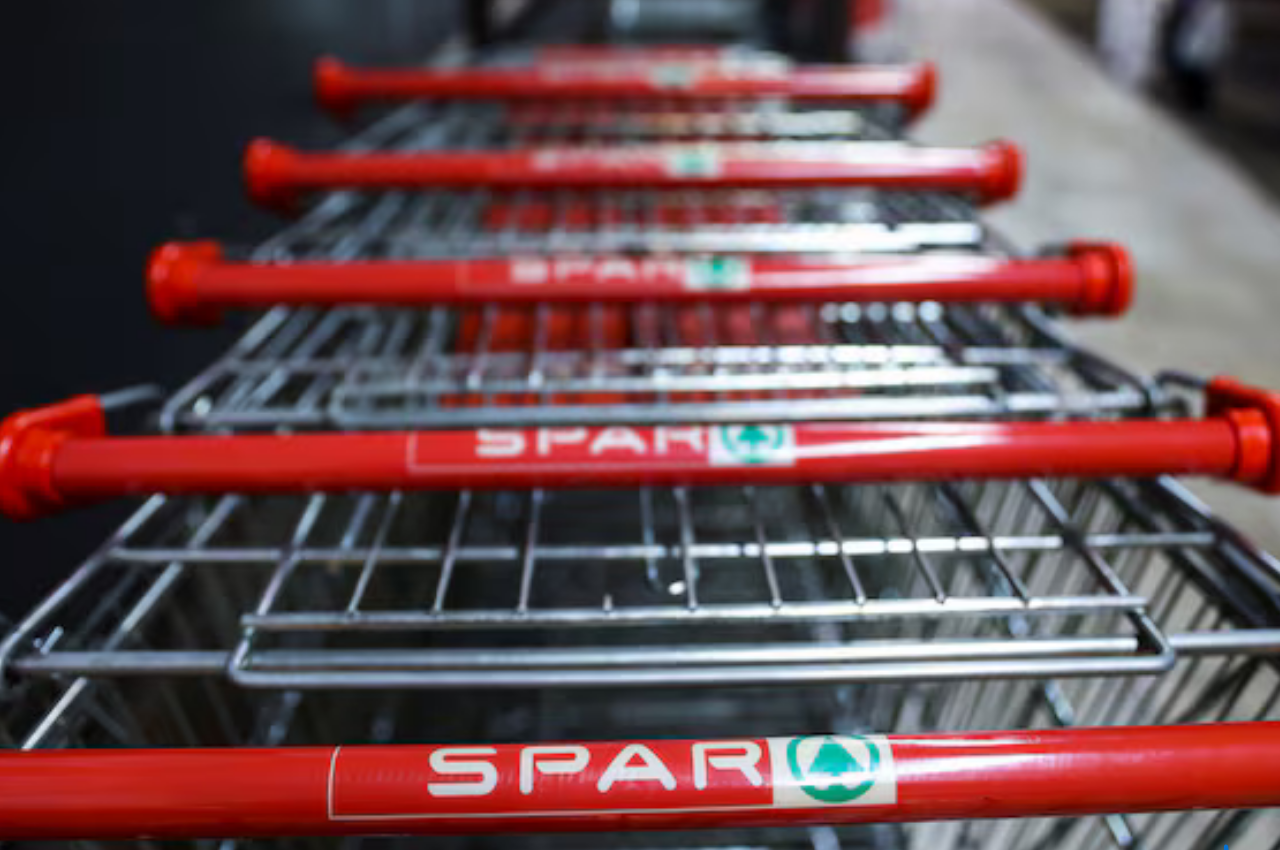
JOHANNESBURG, Feb 23 – SPAR Group reported higher wholesale turnover in the first 18 weeks of its financial year, driven by intensified promotional activity aimed at sustaining sales volumes in a highly competitive and price-sensitive retail environment.
The grocery retailer said wholesale turnover from continuing operations rose 2.1 percent in the period ending January 30. However, growth in Southern Africa remained subdued at 0.9 percent, reflecting weaker consumer demand and deflation across several product categories. Grocery and liquor sales rose just 0.8 percent, partly affected by softer trading conditions in October.
Retail sales increased 1.7 percent overall, with South Africa recording a slightly stronger performance at 1.9 percent. SPAR said it deliberately expanded promotional campaigns to help retailers maintain customer volumes as consumers face ongoing financial pressure and competition among grocery chains intensifies.
However, the strategy weighed on profitability. Increased promotional spending, shifts in product mix, and ongoing investments in loyalty programs and operational recovery efforts in KwaZulu-Natal negatively affected gross profit margins in the Southern Africa region.
The broader retail sector remains under pressure, with food inflation slowing and some categories experiencing price declines. Major competitors are also stepping up promotional efforts to attract budget-conscious shoppers, intensifying margin pressure across the industry.
SPAR’s shares fell 4.8 percent in early trading following the update, reflecting investor concerns over profitability despite the turnover growth.
The company also confirmed it has been served with a legal summons related to claims arising from its troubled SAP system implementation at its KwaZulu-Natal distribution centre. The claim amount significantly exceeds the initial 5 million rand filing.
SPAR said it continues to address the operational impact of the system rollout, which previously disrupted distribution and affected sales and earnings. Most affected retailers have since reached settlements with the group, though some claims remain unresolved.