
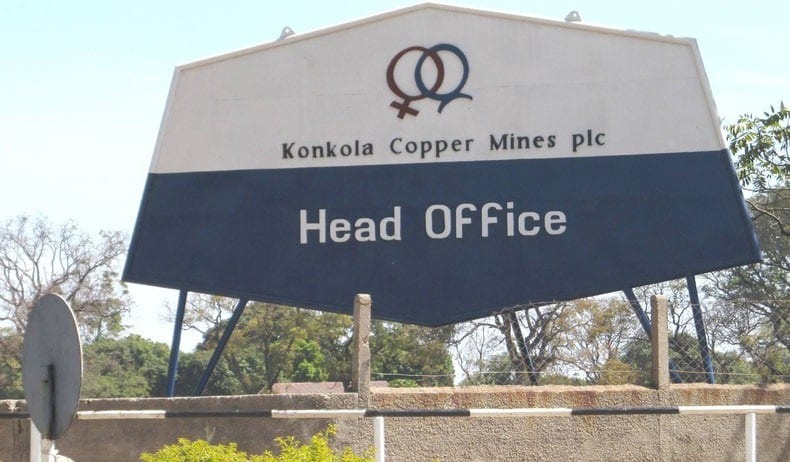
LUSAKA, June 17 – Vedanta Resources subsidiary Konkola Copper Mines (KCM) plans to construct a $317 million coal-fired power plant in Zambia as the mining company seeks to address recurring electricity shortages that have affected operations across the country.
According to the company, the facility will have a generation capacity of 300 megawatts and will be developed in two phases.
The project is expected to strengthen power security for KCM, one of Zambia’s largest electricity consumers and a major producer in the country’s copper sector.
Zambia has faced significant energy challenges in recent years due to its heavy dependence on hydropower generation, which accounts for the majority of the country’s electricity supply.
Prolonged drought conditions and lower water levels at major reservoirs have reduced generation capacity, leading to power shortages that have affected households, businesses and mining operations.
The planned coal-fired facility is intended to provide a more reliable source of electricity for KCM’s operations while reducing exposure to disruptions in the national power system.
The investment forms part of broader efforts by mining companies operating in Zambia to secure dedicated power supplies as electricity demand continues to rise alongside ambitions to expand copper production.
Copper remains Zambia’s most important export commodity and a key source of government revenue, with authorities targeting annual production of 3 million metric tons by 2031.
KCM returned to Vedanta’s control in 2024 after the company resolved a long-running dispute with the Zambian government and regained management of 79.4% stake, with the remaining 20.6% owned by the Zambian government through the state-owned investment company ZCCM-IH.
As part of the settlement agreement, Vedanta committed to substantial investments aimed at revitalizing production, expanding operations and improving infrastructure at the mine.
The new power project is expected to support those expansion plans by providing a stable energy source for future mining and processing activities.
While coal remains a controversial fuel due to environmental concerns and carbon emissions, mining companies across Africa continue to rely on a mix of energy sources to ensure operational stability, particularly in regions where renewable and hydropower generation face reliability challenges.
Industry observers note that the project reflects the growing tension between Africa’s industrialization ambitions and the need to balance energy security with long-term sustainability objectives.
If completed as planned, the power plant will become one of the largest privately developed energy projects linked directly to Zambia’s mining sector.
