JOHANNESBURG, Feb 24 – Oil prices climbed on Tuesday, approaching their highest levels in nearly seven months, as escalating geopolitical tensions between the United States and Iran heightened concerns about potential supply disruptions.
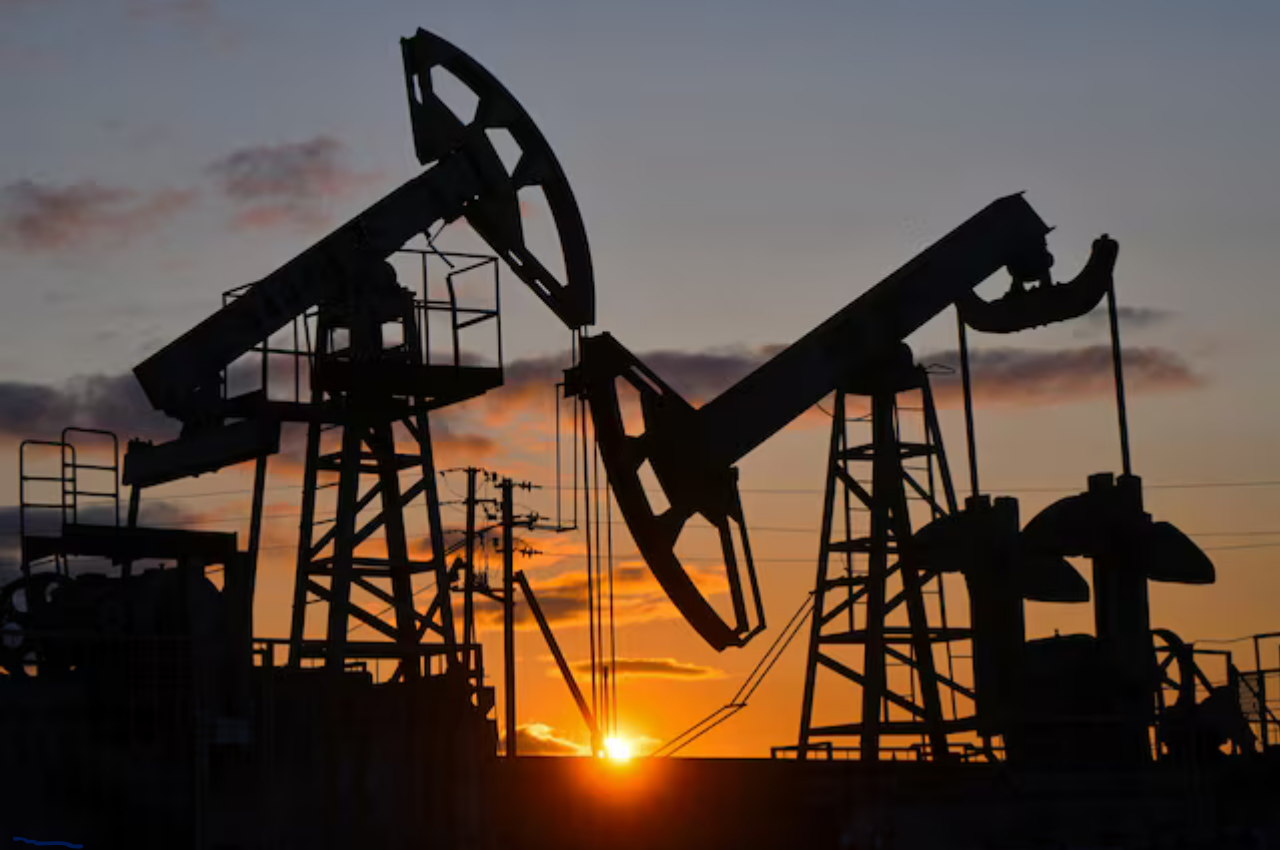
Brent crude rose 0.7% to $71.97 per barrel, reaching its strongest level since late July, while U.S. West Texas Intermediate crude gained 0.7% to $66.76 per barrel, its highest point since early August. The gains reflect growing market anxiety over the possibility of military escalation in the Middle East, a region critical to global energy supply.
Market analysts say geopolitical developments are currently the dominant force driving oil price momentum. According to analysts at Phillip Nova, recent price strength reflects precautionary positioning by traders anticipating potential supply disruptions rather than actual production losses.
The tensions come as Washington and Tehran prepare for another round of nuclear negotiations in Geneva. Diplomatic efforts have intensified, but significant differences remain, with the United States pushing Iran to halt its nuclear programme while Iranian authorities continue to reject those demands.
Adding to uncertainty, the administration of Donald Trump has begun withdrawing non-essential personnel from its embassy in Beirut, signalling heightened concern about regional stability and the risk of broader military conflict.
Analysts at OANDA noted that geopolitical risk is likely to remain the primary driver of oil markets in the near term. Prices have held above key technical support levels, reinforcing bullish momentum driven largely by political risk rather than underlying supply-demand fundamentals.
Trade policy developments have also contributed to market uncertainty. President Trump recently warned that countries retreating from trade agreements with the United States could face higher tariffs, raising concerns about global economic growth and energy demand.
The combination of geopolitical risk, diplomatic uncertainty, and evolving trade tensions has reinforced volatility in oil markets, underscoring how political developments continue to play a decisive role in shaping global energy prices.