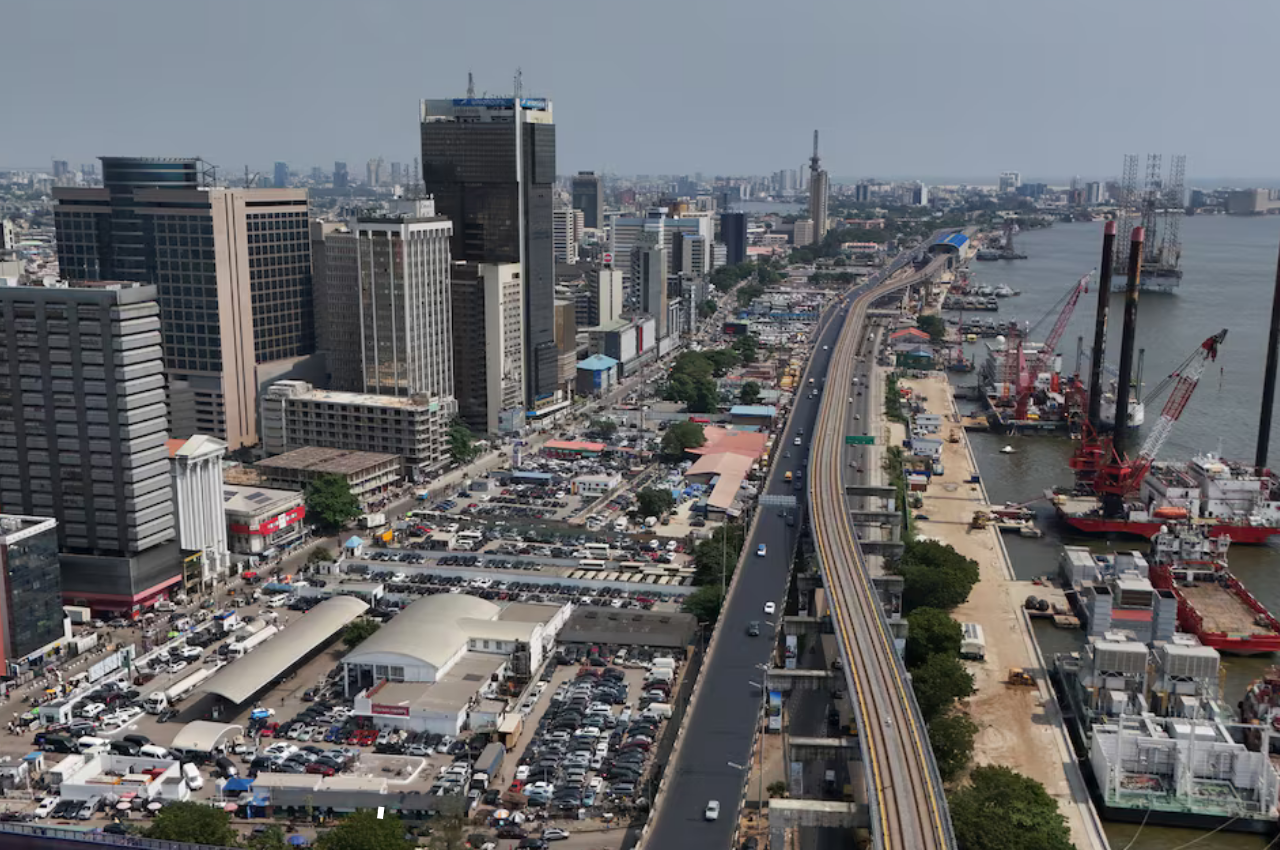
LAGOS, Feb 25 – Nigeria’s foreign exchange reserves have climbed to $50.45 billion as of February 16, 2026, the highest level recorded in more than a decade, reflecting renewed strength in the country’s external position and improved foreign currency inflows.
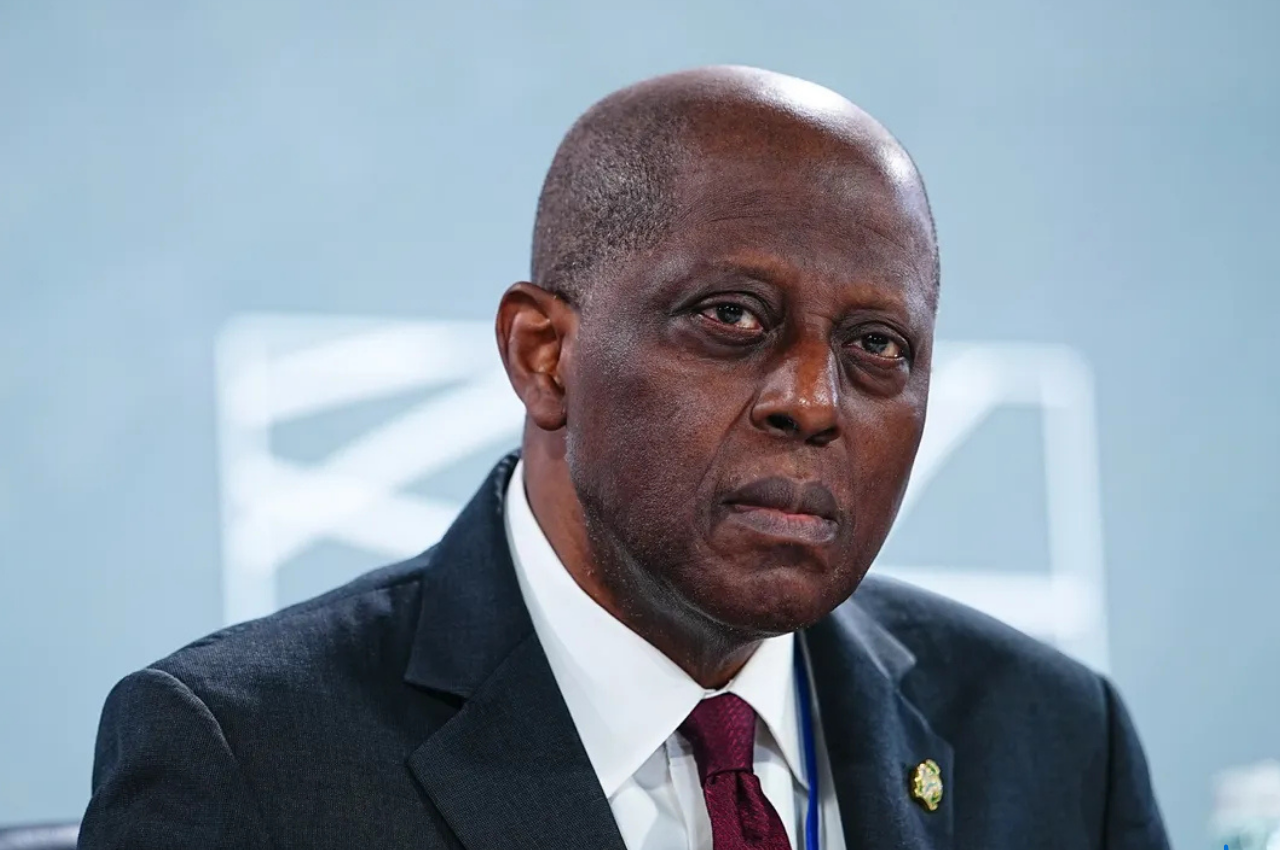
Governor Olayemi Cardoso of the Central Bank of Nigeria announced the milestone following the conclusion of the Monetary Policy Committee’s 304th meeting in Abuja, noting that the reserve position now provides import cover of approximately 9.68 months for goods and services.
The central bank attributed the increase to sustained foreign exchange inflows, supported by stronger export earnings and rising diaspora remittances, which have helped stabilise the country’s external accounts.
Policymakers also highlighted the strengthening performance of Nigeria’s external sector, pointing to its role in improving foreign exchange market stability and boosting investor confidence in the economy.
The Monetary Policy Committee further welcomed the implementation of Presidential Executive Order 09, which mandates the redirection of oil and gas revenues into the Federation Account. The reform is expected to enhance fiscal transparency, increase government revenue capture, and support further reserve accumulation.
The rise in reserves signals improving macroeconomic fundamentals and strengthens the central bank’s capacity to manage currency volatility, meet external obligations, and sustain confidence among international investors.