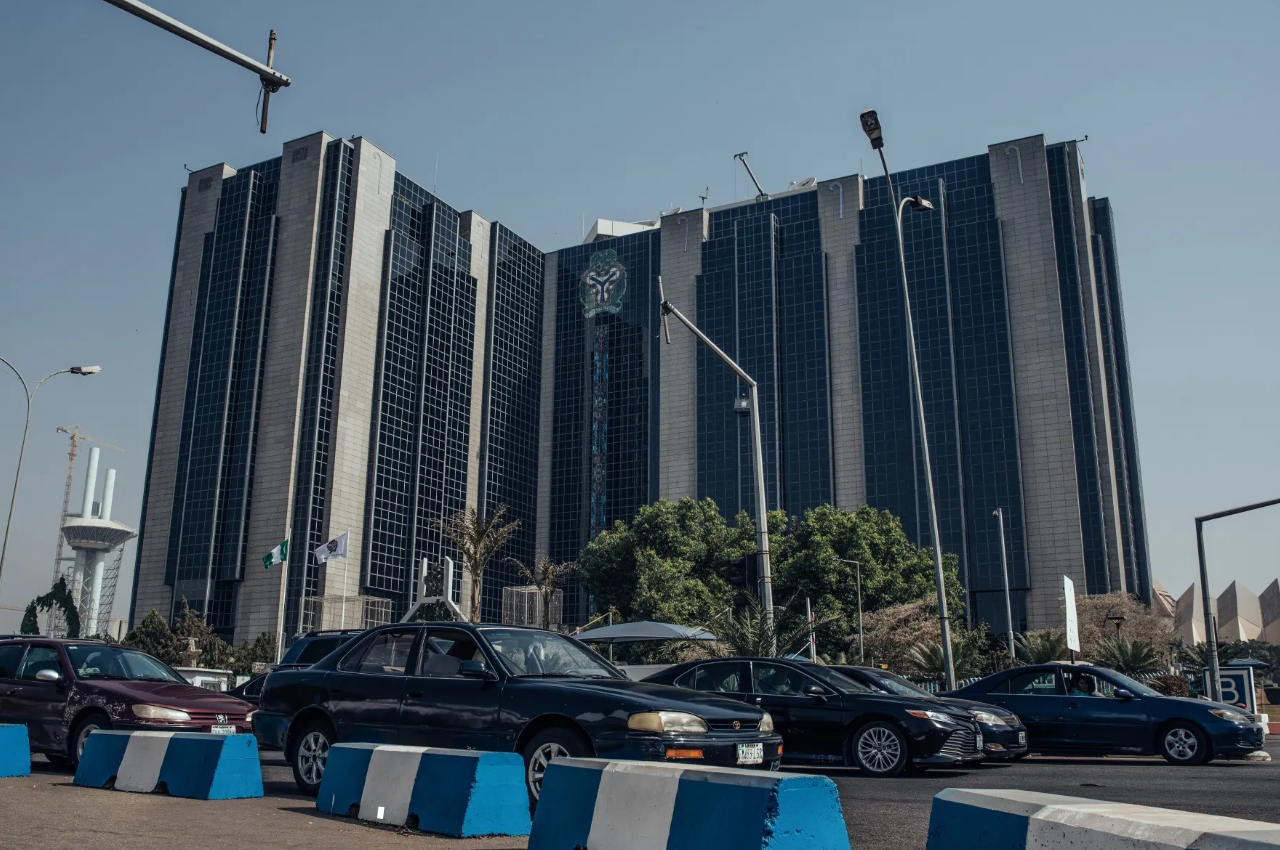
LAGOS, Feb 24 – The Central Bank of Nigeria has reduced its benchmark interest rate by 50 basis points to 26.50%, marking a shift in monetary policy as inflationary pressures show signs of moderating.
Governor Olayemi Cardoso said the decision followed a comprehensive assessment of inflation trends and broader economic risks, with policymakers expressing confidence that disinflation will continue in the near term.
According to the central bank, the rate adjustment reflects the delayed effects of earlier tightening measures, improved exchange rate stability, and strengthening food supply conditions, all of which have contributed to easing price pressures.
Recent data showed inflation slowed slightly to 15.10% year-on-year in January, compared with 15.15% in December, reinforcing expectations that price growth is gradually coming under control.
The move signals a potential turning point in monetary policy for Nigeria, where aggressive rate hikes in recent years were aimed at containing inflation, stabilizing the currency, and restoring investor confidence.
Lower borrowing costs could help support credit growth, ease financial conditions, and strengthen economic activity, while policymakers continue to monitor inflation, exchange rate dynamics, and global economic risks.
The decision underscores growing confidence among monetary authorities that inflation risks are becoming more manageable, even as structural reforms and improved macroeconomic coordination remain critical to sustaining long-term stability.