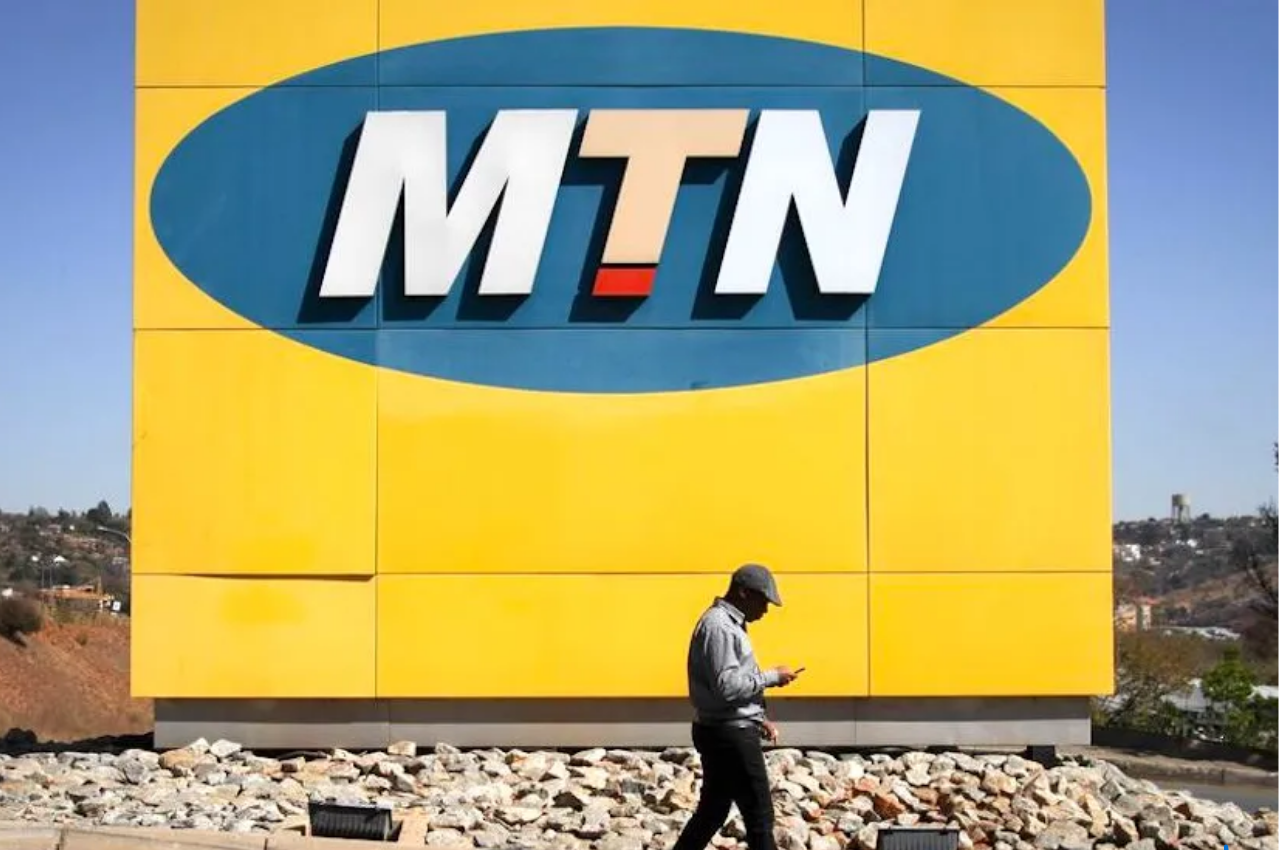
JOHANNESBURG, Feb 17 – MTN Group has agreed to acquire full ownership of IHS Holding Limited in a transaction valuing the telecom infrastructure firm at approximately $6.2 billion, marking one of the most significant infrastructure consolidation moves in Africa’s digital economy.
The agreement will see MTN purchase the roughly 75% stake it does not already own, offering shareholders $8.50 per share in cash. The transaction will be financed through a combination of MTN’s existing equity rollover, approximately $1.1 billion in cash from MTN, additional cash from IHS’ balance sheet, and the continuation of existing debt obligations.
Once completed, IHS will be delisted and become a wholly owned subsidiary of MTN, bringing nearly 29,000 telecom towers across Africa back under the direct control of the continent’s largest mobile network operator.
The acquisition marks a strategic reversal of a decade-long industry trend in which telecom operators sold tower assets to independent infrastructure companies to reduce capital expenditure. By regaining ownership of these assets, MTN aims to reduce long-term leasing costs, improve operational efficiency, and strengthen its ability to deploy next-generation technologies such as 5G and fibre networks.
MTN Group President and CEO Ralph Mupita described the deal as a critical step in strengthening the company’s long-term competitiveness. Direct infrastructure ownership is expected to provide greater control over network expansion and enhance MTN’s strategic flexibility as demand for digital connectivity accelerates across emerging markets.
The transaction has received unanimous approval from IHS’ board and backing from key shareholders, including Wendel, which will receive approximately $535 million for its 19% stake.
Separately, IHS has agreed to divest its Latin American tower portfolio in Brazil and Colombia to Macquarie Asset Management, allowing MTN to focus exclusively on African infrastructure assets.
Headquartered in South Africa, MTN’s move underscores a broader shift toward infrastructure sovereignty among African telecom operators. As digital connectivity becomes increasingly central to economic growth, ownership of physical network assets is emerging as a strategic advantage in driving long-term value and supporting the continent’s digital transformation.