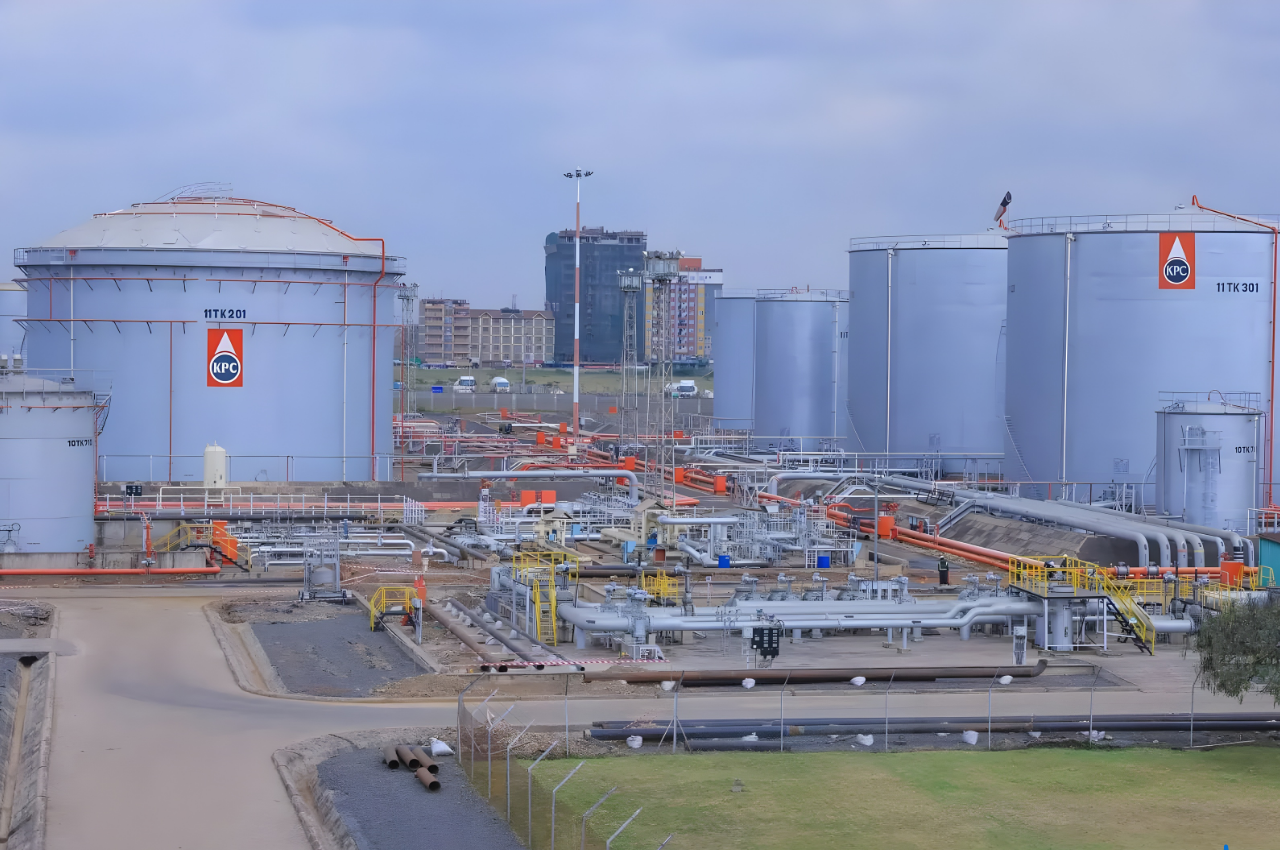
NAIROBI, Feb 25 – Strong participation from institutional investors has driven excess demand in the initial public offering of Kenya Pipeline Company, reinforcing investor confidence in one of East Africa’s most strategic energy infrastructure assets.
The offering, which ran from January 19 to February 24, saw the government of Kenya sell a 65 percent stake in the pipeline operator to raise 106.3 billion shillings, equivalent to approximately $825 million. The transaction is expected to become the largest IPO ever conducted in East Africa in local currency terms.
According to the lead transaction adviser, institutional investors played a decisive role in oversubscribing the offering, countering earlier concerns about weak investor appetite. While detailed subscription figures have not yet been disclosed, advisers confirmed that the IPO attracted strong interest from both institutional and retail participants.
The shares were priced at 9.00 shillings each, with allocations structured across multiple investor categories.
Oil marketing companies were reserved 15 percent of the shares, employees received 5 percent, and the remaining stake was distributed among local retail investors, institutional investors, East African participants, and foreign investors. Each of these investor groups was allocated 20 percent of the offering.
The Kenyan government will retain a 35 percent ownership stake in the company and receive all proceeds from the sale, as part of its broader strategy to reduce direct state ownership in commercial enterprises and strengthen public finances.
Regional strategic interest was also evident, with neighbouring Uganda securing a 20.15 percent stake in the pipeline operator. Uganda relies heavily on Kenya’s infrastructure to transport petroleum imports through the port of Mombasa, with pipeline shipments accounting for over 95 percent of its monthly fuel imports.
The Kenya Pipeline IPO is a central component of President William Ruto’s privatization agenda, which aims to unlock capital from state assets, improve corporate efficiency, and attract private investment into key sectors of the economy.
Once listed on the Nairobi Securities Exchange, the IPO is expected to reshape the regional capital markets landscape, providing investors with access to critical infrastructure assets while strengthening Kenya’s position as East Africa’s financial hub.