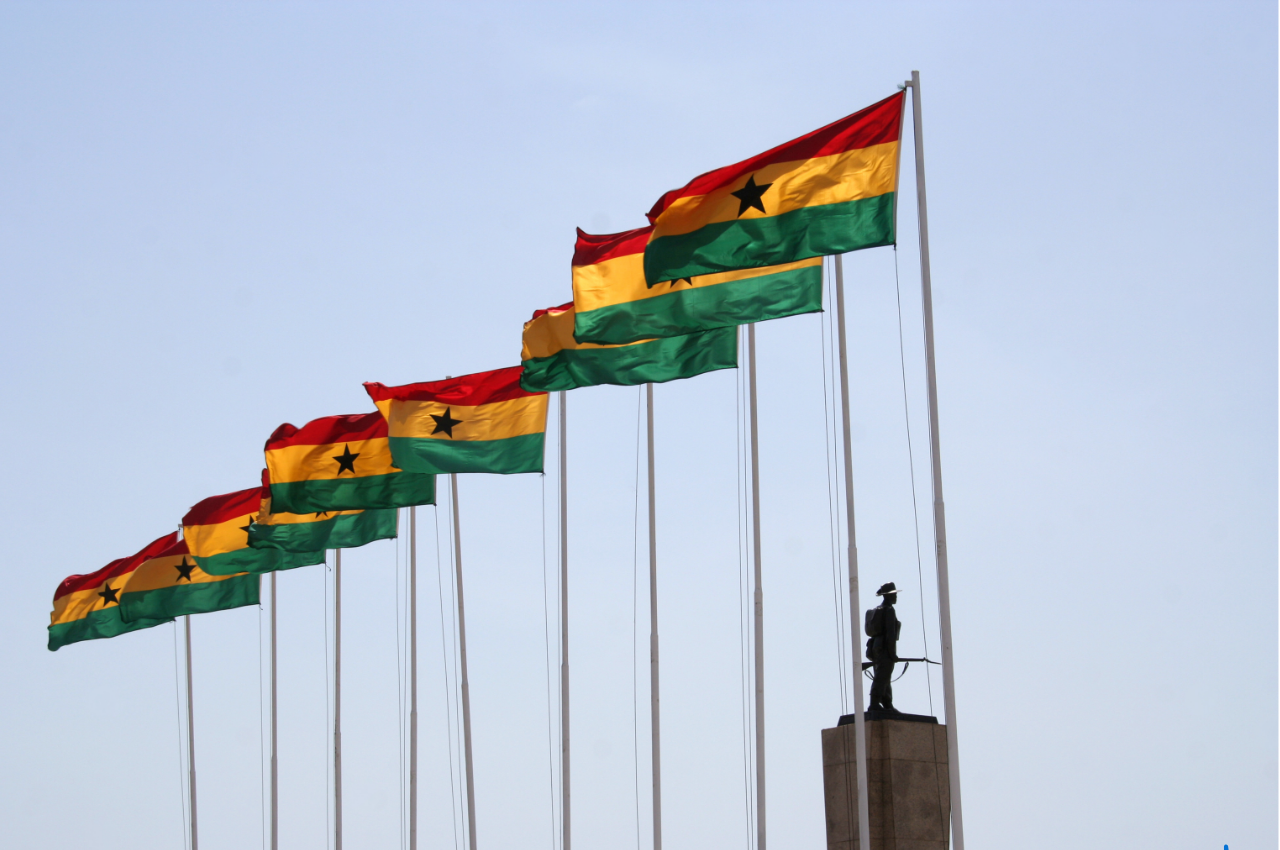
ACCRA, Feb 11 – Ghana has paid 10 billion cedis, equivalent to approximately $909 million, in interest obligations under its Domestic Debt Exchange Programme, marking another key milestone in its ongoing debt restructuring process as the country works to stabilize its economy following its most severe fiscal crisis in decades.
According to Ghana Ministry of Finance, the payment represents the sixth coupon settlement since the restructuring programme began and reflects the government’s commitment to honoring its revised debt obligations. Authorities said the move is intended to reassure both domestic and international investors while strengthening confidence in Ghana’s financial recovery trajectory.
The latest payment was made entirely in cash, without any payment-in-kind component. Officials described this as a sign of improved fiscal resilience and enhanced solvency, indicating that government finances are gradually stabilizing after a period of acute strain.
Ghana initiated the Domestic Debt Exchange Programme in late 2022 as part of a broader strategy to restore debt sustainability. The restructuring became necessary after mounting fiscal pressures pushed the economy into crisis, triggering a comprehensive overhaul of government debt. The programme affected a wide range of domestic investors, including commercial banks, pension funds, and asset managers that held significant amounts of government securities.
The recent payment covers interest due on cedi-denominated bonds that were exchanged under the restructuring framework. Officials said the settlement aligns with the government’s long-term debt management strategy and broader fiscal consolidation plan aimed at reducing debt risks and restoring macroeconomic stability.
Authorities also emphasized that meeting these obligations is critical to rebuilding liquidity buffers, stabilizing inflation, and lowering borrowing costs over time. Ghana’s ability to maintain consistent payments under the programme is viewed as essential to restoring its creditworthiness and improving access to capital markets.
As part of its recovery strategy, Ghana is preparing to re-enter the domestic bond market later this year. The government has already appointed bond market specialists to support its return, signaling confidence in improving financial conditions and investor appetite for local debt instruments.
The payment marks a significant step in Ghana’s broader effort to rebuild economic credibility, restore investor trust, and position itself for sustainable financial recovery following one of the most challenging economic periods in its modern history.