
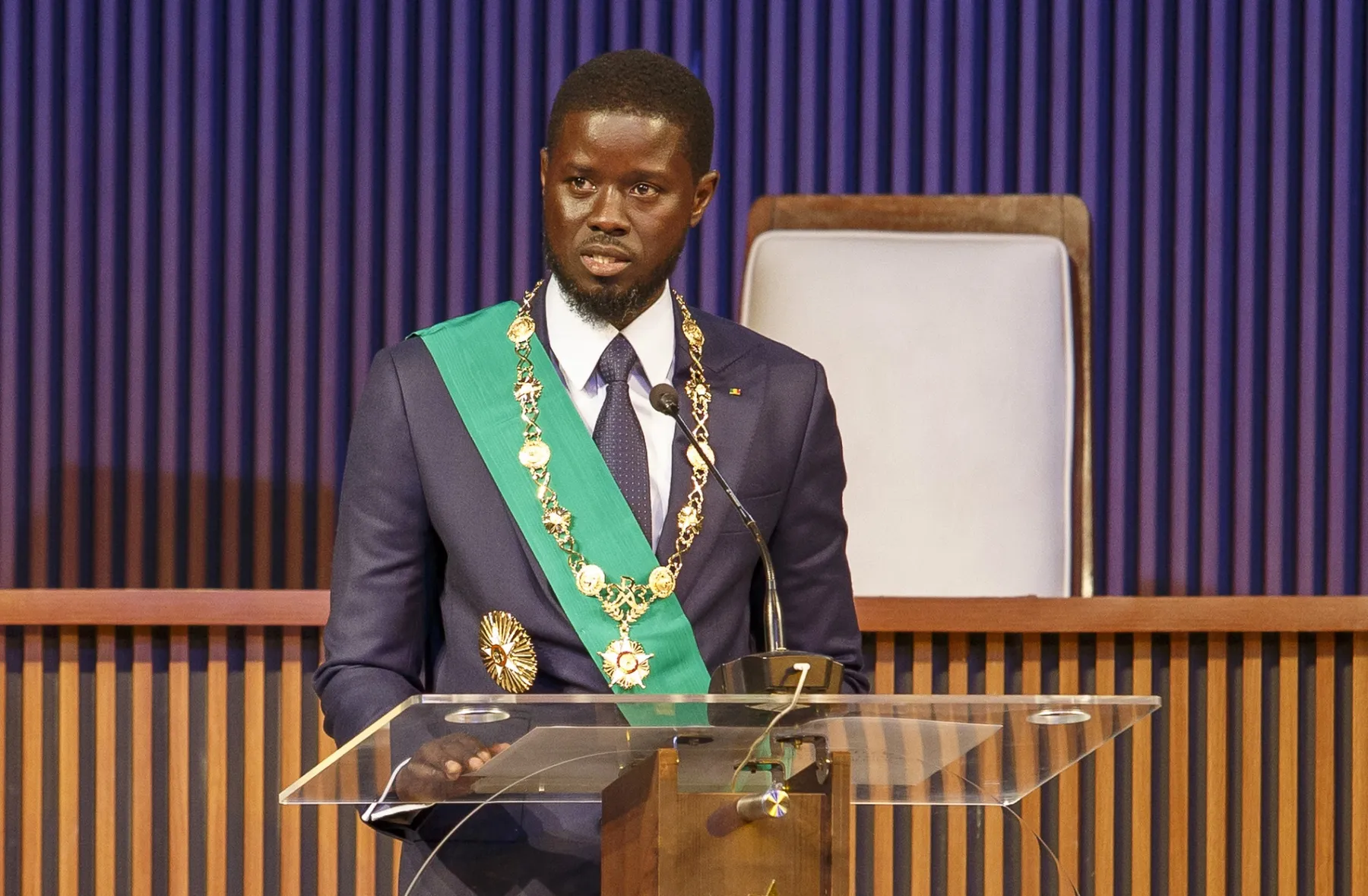
DAKAR, May 26 – Senegal president Bassirou Diomaye Faye has appointed veteran economist Ahmadou Al Aminou Lo as new prime minister, days after dissolving the previous government in a move that reshaped the country’s political landscape.
The appointment comes at a sensitive period for Senegal as policymakers seek to stabilize public finances and restore investor confidence while navigating ongoing discussions with international lenders.
Lo previously held leadership roles within the regional central banking system, including serving as head of the Senegal branch of the Central Bank of West African States.
During remarks following the announcement, the new prime minister acknowledged the country’s economic difficulties and stressed the need to reassure businesses and international investors.
He said Senegal remains committed to maintaining confidence in its economy despite growing fiscal pressures.
The appointment follows the dismissal of former Prime Minister Ousmane Sonko, whose departure came after months of reported political tensions within the country’s leadership structure.
Senegal is currently facing significant financial challenges after the International Monetary Fund suspended a $1.8 billion lending arrangement following the discovery of previously misreported debt obligations.
The revised figures pushed Senegal’s debt burden to approximately 132% of gross domestic product by the end of 2024, intensifying concerns over fiscal sustainability.
Sonko had publicly opposed debt restructuring discussions, arguing against measures he believed could weaken national economic interests.
His political influence remains significant through the ruling Pastef party, which maintains a strong presence in the National Assembly.
Political observers are closely monitoring developments after reports suggested Sonko could potentially return to parliament in a more prominent capacity following recent leadership changes within the legislature.
Lo said his appointment should not be interpreted as a departure from the administration’s broader reform agenda, emphasizing that the government’s commitment to long-term transformation remains intact.
His selection may also signal a stronger emphasis on economic management as Senegal seeks to stabilize its fiscal position and restore momentum in discussions aimed at unlocking future international support.
