
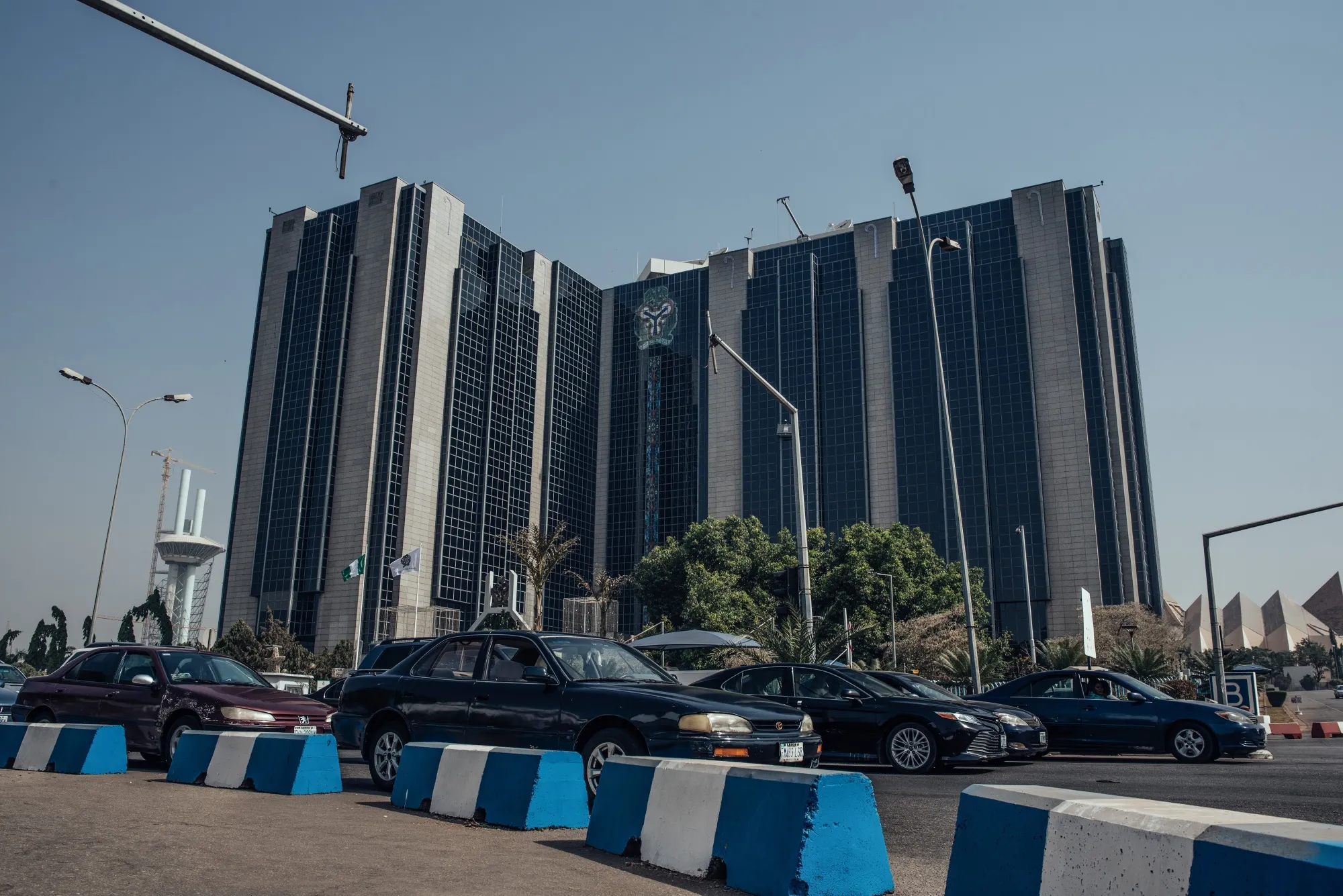
ABUJA, July 18 – The Central Bank of Nigeria (CBN) has indicated that the country’s easing inflation trend has created conditions for future interest rate cuts, although policymakers remain cautious as global geopolitical tensions continue to pose risks to price stability.
Speaking at the BusinessDay Conference in Lagos on Thursday, CBN Governor Olayemi Cardoso said nearly a year of declining inflation demonstrates that the bank’s monetary tightening campaign is delivering results. However, he stressed that recent external shocks have complicated the inflation outlook and delayed the possibility of policy easing.
According to Cardoso, “There were 11 months of continuous disinflation,” adding that the trend had strengthened expectations that “over a period of time, we would expect interest rates to begin to moderate.”
He noted, however, that renewed geopolitical tensions, including the conflict involving Iran, disrupted the central bank’s inflation projections.
According to Cardoso, “If not for the fact that we had this, we had projected that going into next year inflation would have been down to very moderate levels.”
The governor also defended the Monetary Policy Committee’s decision to leave interest rates unchanged at its most recent meeting, despite growing expectations among investors that the central bank was preparing to begin an easing cycle.
According to Cardoso, “We didn’t cut, and believe me, we saw things that most other people didn’t see.”
He emphasised that future monetary policy decisions would continue to be driven by economic data rather than market sentiment, signalling that the central bank is unlikely to rush into lowering borrowing costs.
Cardoso also credited Nigeria’s recent economic reforms with strengthening the country’s resilience against external shocks.
According to him, “One of the reasons for that is the fact that we had undertaken the reforms a lot earlier. We had resilience and we were able to withstand the shocks.”
The comments come ahead of the Monetary Policy Committee’s next meeting, scheduled for 20 to 21 July, where investors will closely monitor policymakers for further signals on the direction of interest rates.
While Nigeria’s inflation has slowed steadily in recent months, the CBN continues to balance the need to support economic growth with its mandate to maintain price stability amid an increasingly uncertain global environment.
