
LAGOS, July 27 – A potential “super” El Niño weather event could reduce economic output across heavily affected African countries by between $10 billion and $20 billion, while increasing the risk of widespread displacement, according to the African Development Bank (AfDB).
Speaking to Reuters, Anthony Nyong, the AfDB’s Director for Climate Change and Green Growth, said the expected climate event could lower the gross domestic product (GDP) of the hardest-hit countries by an average of 1% to 2%, threatening economic stability across the continent.
According to Nyong, “Just this event is going to reduce heavily affected countries’ GDP by 1% to 2% on average, which is about $10 billion to $20 billion across the continent.”
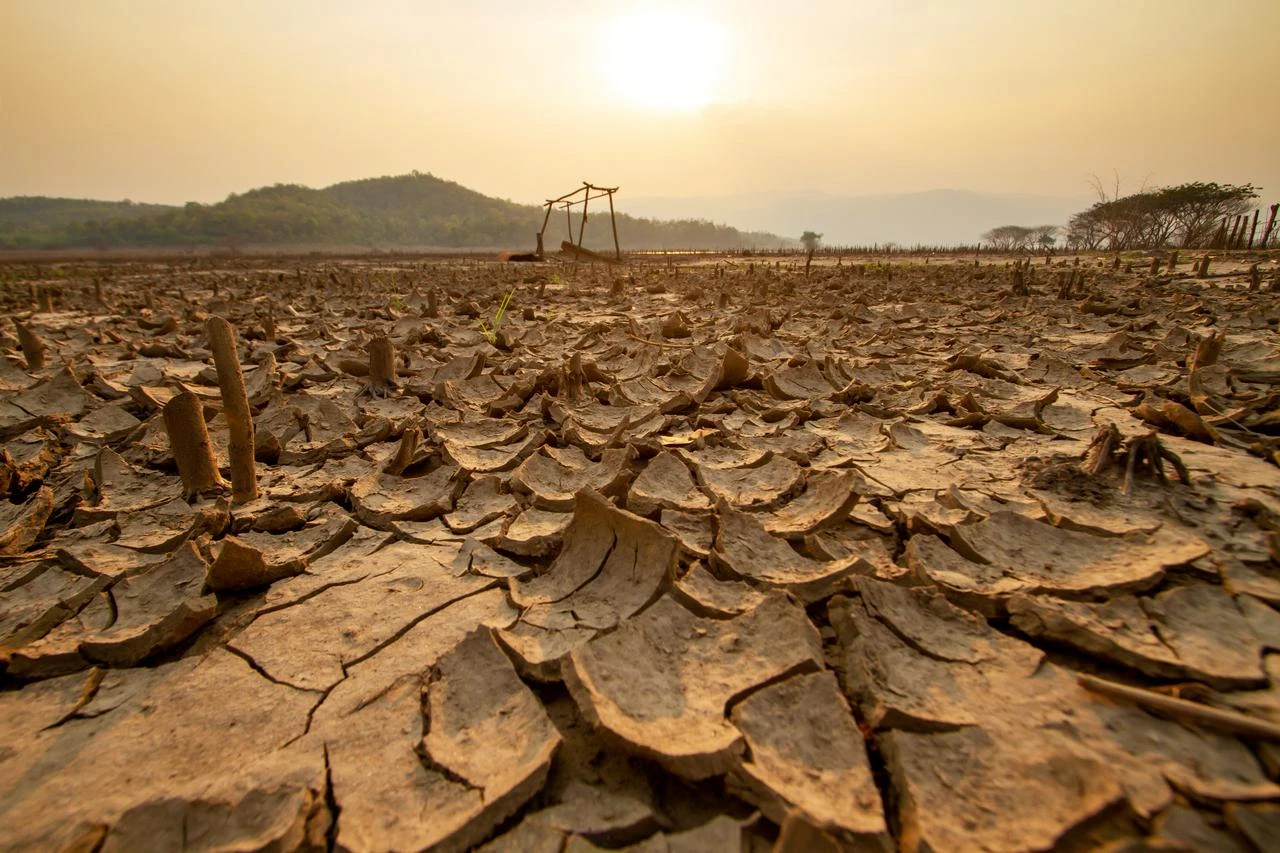
Meteorologists have warned that the developing El Niño pattern, driven by unusually warm Pacific Ocean temperatures, could become one of the strongest on record. The phenomenon is typically associated with severe droughts, flooding and extreme weather across different parts of Africa.
Beyond its humanitarian impact, the AfDB warned that the weather event could place additional pressure on government finances and banking systems if infrastructure is damaged and governments are forced to increase borrowing to fund emergency responses and reconstruction.
Nyong said many African countries already face what he described as a “climate finance trap”, where limited fiscal resources force governments to divert funding away from healthcare, education and infrastructure to respond to climate-related disasters.
The warning comes after the AfDB projected in May that Africa’s economy would expand by 4.2% in 2026 and 4.4% in 2027, assuming geopolitical tensions ease. However, those forecasts were published before concerns emerged that the current El Niño could intensify into a so-called “super” or “Godzilla” event.
The previous 2023 to 2024 El Niño caused widespread drought across Southern Africa and severe flooding in East Africa, leading to crop failures, rising food prices and record sea-level increases along parts of the continent’s coastline.
The AfDB estimates that African farmers are already facing approximately $330 million in lost income this year, while fisheries could also suffer as rising sea temperatures and stronger storms reduce productivity.
According to Nyong, “When these shocks happen, countries take two steps back. We don’t want our countries to slide into poverty.”
The bank also warned that humanitarian pressures are likely to intensify, identifying Sudan, South Sudan, the Democratic Republic of Congo, Somalia, Mali, Burundi and Nigeria among the countries that could face the most severe impacts.
Nyong cautioned that worsening food insecurity could trigger large-scale population movements across affected regions.
“When this El Niño comes there is going to be mass migration,” he said, adding that maize prices, a staple food across many African countries, could double. “You are not going to stay put, you are going to move.”
The AfDB estimates agricultural losses could reach approximately $327 million, while fisheries productivity may decline by between 1% and 4%, further increasing pressure on food systems and rural livelihoods.
To strengthen preparedness, the bank plans to convene a bank-wide seminar in September to assess the potential impact of El Niño on its investment portfolio. It also said it stands ready to restructure projects and help countries mobilise additional financing from institutions including the Green Climate Fund, the Adaptation Fund, the Climate Investment Funds, and emerging loss-and-damage financing mechanisms.
According to Nyong, Africa’s climate adaptation financing needs could rise to as much as $100 billion over the next year, significantly above previous estimates.
He said, “The need was already about $50 billion. But this adds another $30 billion to $50 billion to that.”
Emphasising the importance of investing in resilience before disasters occur, Nyong concluded: “It is cheaper to build a fence around a precipice than to pay for expensive ambulances to wait at the bottom for people to fall. So let’s build a fence.”
