
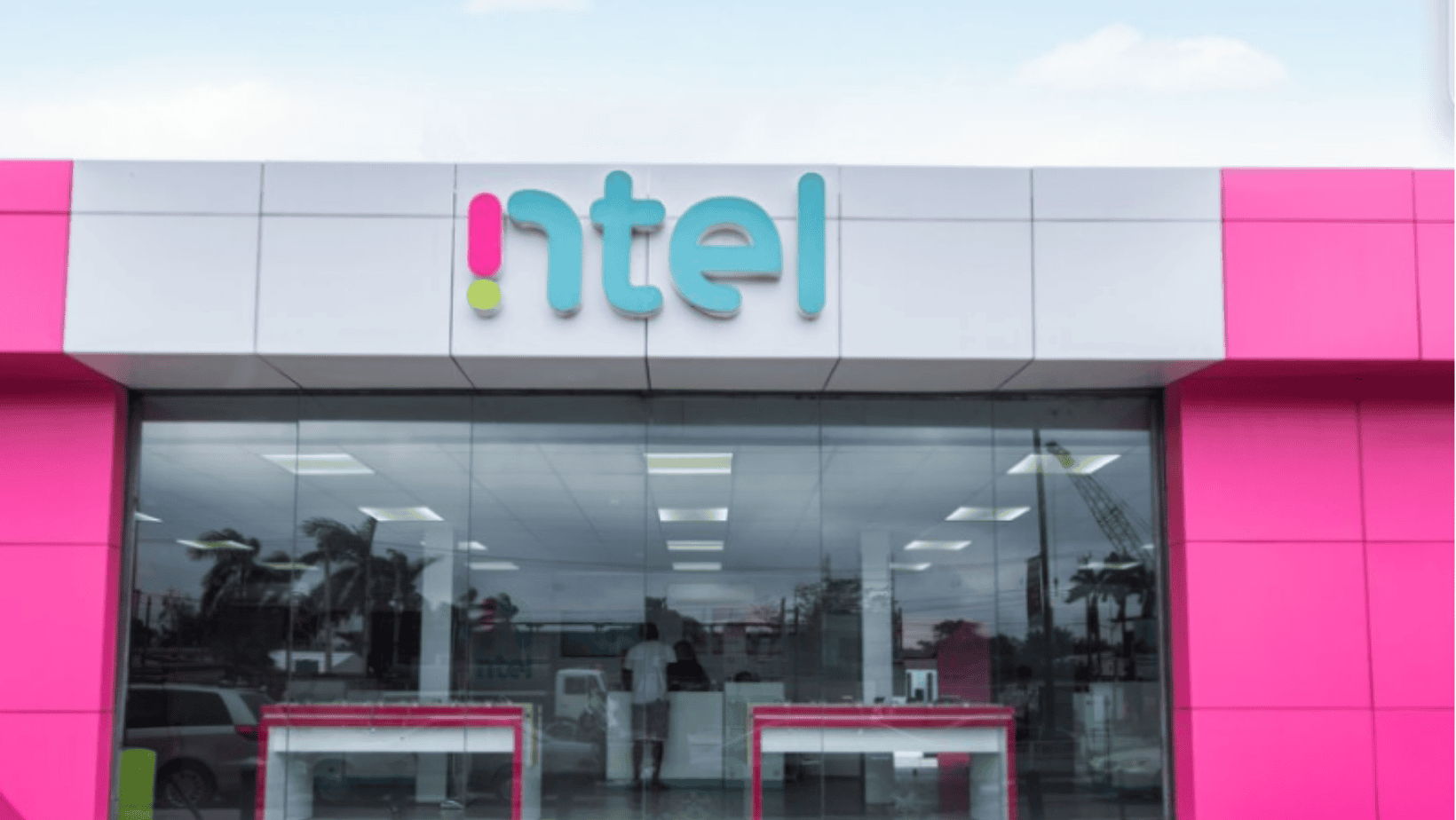
ABUJA, July 16 – ntel is changing its business strategy by moving away from traditional telecom services and focusing on digital infrastructure as it looks to strengthen its position in Nigeria’s telecom market.
The company, formerly Nigerian Telecommunications Limited (NITEL), said it will now focus on growing its telecom towers, fibre network, power systems and real estate business instead of relying mainly on mobile subscribers for revenue.
The shift comes more than a decade after NATCOM Consortium acquired NITEL and its mobile arm, Mtel, for $252 million in 2015. The deal included fibre assets, spectrum licences and real estate. Although ntel launched as a 4G LTE operator in 2016, it struggled to compete with larger telecom companies and later came under the control of the Asset Management Corporation of Nigeria (AMCON).
As part of its new direction, ntel has split its operations into three businesses: Beam, Titan and Eden.
Beam will handle telecommunications services, including the rollout of WakaGo, a fixed wireless broadband service that uses eSIM technology and Tarana Wireless’ AirFibre platform. The company said the service is aimed at frequent travellers, allowing users with compatible devices to stay connected across 190 countries.
Titan will manage ntel’s infrastructure business, which includes more than 600 telecom towers, over 3,500 kilometres of fibre network and its power assets. Eden will oversee the company’s real estate portfolio, including commercial and residential properties in Lagos, Abuja and Port Harcourt.
The move reflects a wider trend across the telecom industry, where operators are placing greater value on infrastructure as income from traditional voice services continues to face pressure from digital platforms.
Across Africa, companies including MTN Group and Airtel Africa have adopted similar strategies by separating infrastructure from retail telecom services through tower sales, fibre expansion and wholesale network businesses.
ntel said the new model could also benefit consumers over time, as greater infrastructure sharing among operators may reduce network costs and improve service quality and coverage.
