
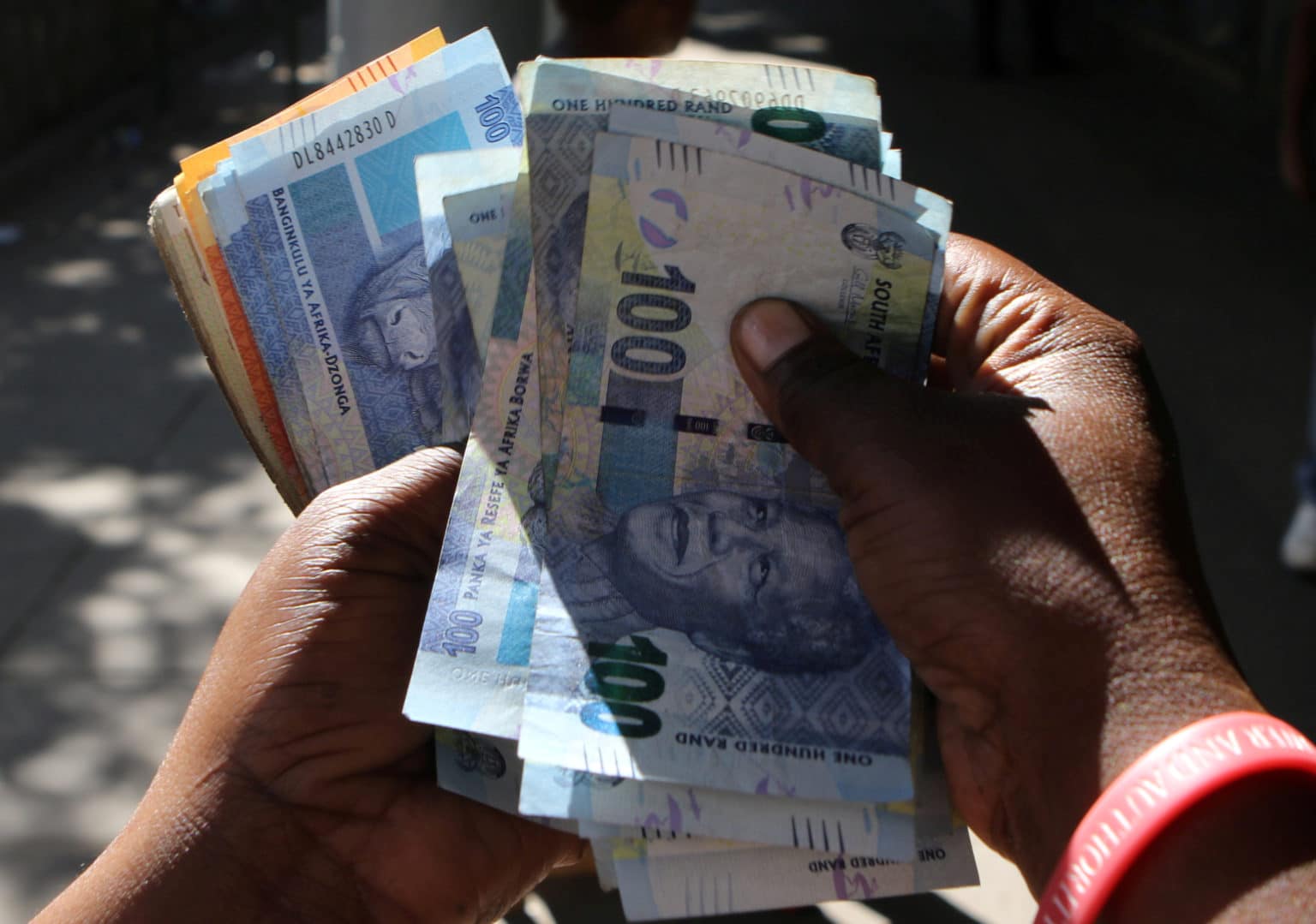
JOHANNESBURG, June 1 – The South African rand traded modestly weaker on Monday as investors positioned ahead of the release of key economic data expected to provide fresh insights into the health of the country’s manufacturing sector and consumer demand.
The currency slipped around 0.2% against the U.S. dollar in early trading, reflecting cautious market sentiment as traders assessed both domestic economic indicators and developments in global energy markets.
Investor attention is focused on the latest manufacturing purchasing managers’ index (PMI), which is expected to offer a snapshot of activity in Africa’s most industrialized economy.
The sector showed signs of improvement in April, supported by stronger production levels and a recovery in new orders, raising expectations that manufacturing conditions may continue to stabilize.
Markets are also closely watching the release of May vehicle sales figures, a widely followed indicator of consumer spending and economic confidence.
South Africa’s automotive market recorded strong momentum in April, with vehicle sales rising by 13% year-on-year. Analysts expect another positive performance in May, supported by lower borrowing costs and increased availability of competitively priced imported vehicles.
Economists note that earlier interest-rate reductions have helped support demand for major consumer purchases despite broader economic uncertainties.
However, rising global oil prices are beginning to emerge as a key risk factor.
Crude oil prices advanced sharply after renewed geopolitical tensions in the Middle East heightened concerns about potential supply disruptions. Higher fuel costs could place upward pressure on inflation and complicate the outlook for interest rates in the months ahead.
Market analysts say the rand remains particularly sensitive to movements in oil prices, given South Africa’s dependence on imported fuel and the potential impact of energy costs on inflation and economic activity.
Meanwhile, South Africa’s government bond market also came under pressure in early trading, with yields on benchmark 2035 sovereign bonds moving higher as investors reassessed inflation and interest-rate expectations.
The latest market moves highlight the delicate balance facing South Africa’s economy, where improving domestic demand is being weighed against rising external risks linked to global commodity markets and geopolitical uncertainty.
