
WINDHOEK, May 21 – Namibia has secured more than N$1 billion ($60 million) in financing through a new conservation initiative aimed at protecting wildlife and sustaining rural livelihoods as traditional donor funding declines.
The initiative, known as Namibia for Life, is part of the global Project Finance for Permanence model, which links long-term financing commitments to conservation, governance and community development milestones.
The funding package brings together international public and private conservation partners to support Namibia’s community-based natural resource management system.
The program currently covers 91 conservancies and forests spanning more than 230,000 square kilometers across the southern African country.
Juliane Zeidler, country director for World Wide Fund for Nature Namibia, described the initiative as the first Finance for Permanence program launched in Africa and the first globally focused specifically on community conservation.
She said most similar initiatives elsewhere have traditionally focused on state-protected conservation areas.
Approximately 250,000 people in Namibia currently depend on conservancy-linked economic activities and natural resource-based livelihoods supported by tourism, wildlife management and environmental conservation programs.
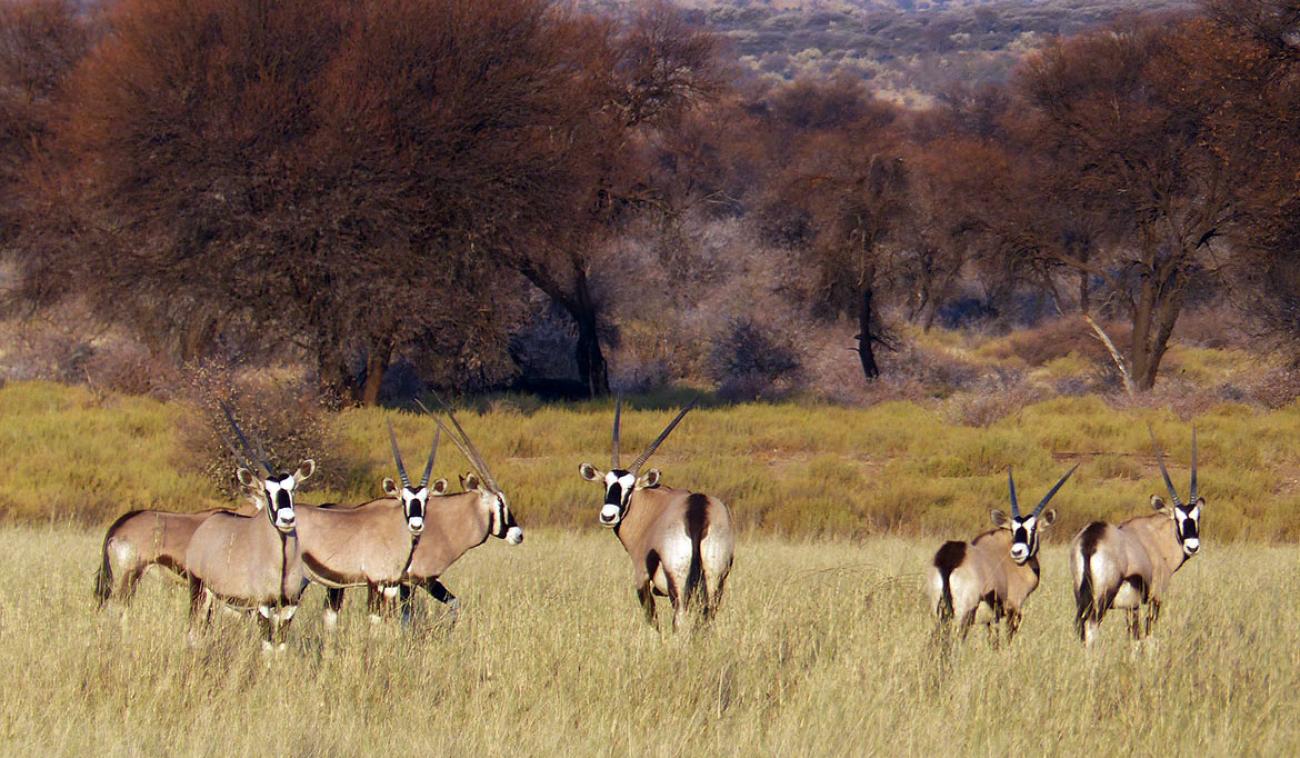
Namibia’s conservancy model has long been viewed as one of Africa’s leading examples of community-led conservation, helping expand wildlife populations while generating rural income.
According to project officials, the financing initiative became increasingly necessary after Namibia’s transition to middle-income status in 2007 led to a decline in bilateral donor support for conservation and environmental programs.
The reduction in external funding has placed growing pressure on local conservation institutions and rural development initiatives.
The financing structure is designed to provide more predictable long-term funding while strengthening local governance systems and protecting biodiversity.
The initiative also reflects a broader global shift toward innovative climate and conservation financing models as governments and development institutions seek alternatives to traditional aid flows.
