
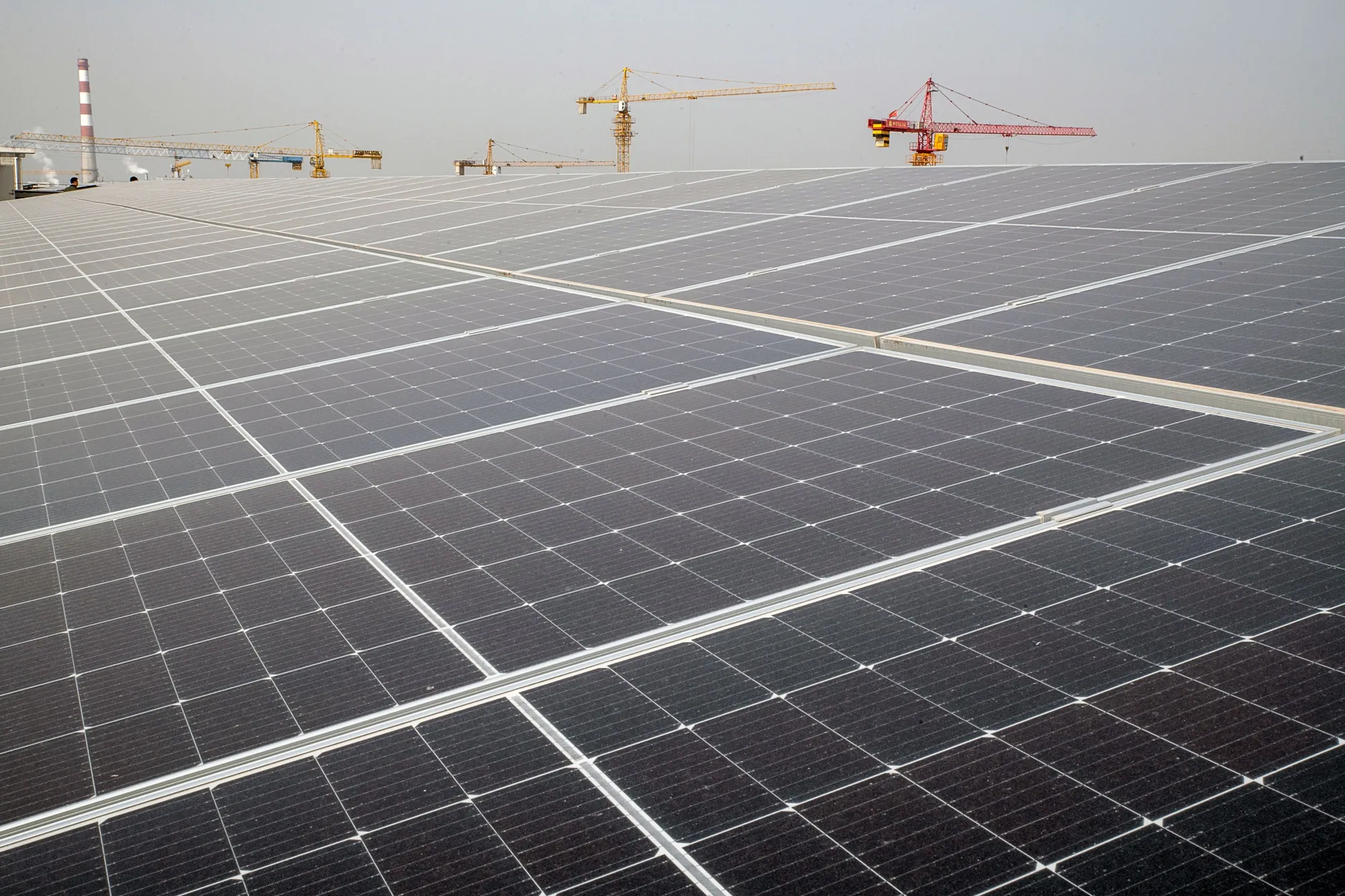
LUSAKA, April 22 – President Hakainde Hichilema has officially launched construction of a 250-megawatt solar photovoltaic plant and a 150-megawatt battery energy storage system at the Leopard Hill Solar Generation Station in Chongwe District.
The $315 million hybrid project marks a major step in Zambia’s efforts to strengthen energy security and stabilize electricity supply. Combining solar generation with battery storage, the facility is designed to provide more reliable and consistent power to the national grid.
Speaking at the launch, Hichilema said the integration of solar and storage capacity would enhance grid stability and reduce vulnerability to power disruptions. He emphasized the need for a diversified energy mix and greater collaboration between public and private sector players.
The project, located near Lusaka, is expected to play a key role in expanding electricity access while supporting economic growth. It will also contribute to reducing Zambia’s heavy reliance on hydropower, which currently accounts for the majority of electricity generation but is vulnerable to drought and climate variability.
Developed in partnership with Globeleq, Kyindu Resources Limited and ZESCO Limited, the Leopard Hill project is set to become one of Africa’s largest battery storage installations.
Officials said the project had been under consideration for more than a decade but only became viable following policy and regulatory reforms aimed at improving the investment climate in the energy sector.
Energy officials highlighted that Zambia has the potential to generate up to 1,000MW of solar power, with additional projects such as the Chisamba Solar plants expected to significantly expand capacity. Together with Leopard Hill, these initiatives could add around 450MW to the national grid.
The development is also expected to create jobs and stimulate local economic activity, while reinforcing Zambia’s position as an emerging destination for clean energy investment.
Support from international partners remains key. Rebecca Terzeon noted the United Kingdom’s contribution to Zambia’s energy transition, including funding support and regional interconnection projects aimed at boosting cross-border electricity trade.
The launch underscores Zambia’s broader strategy to modernize its power sector, attract private investment and build a more resilient and sustainable energy system.
