
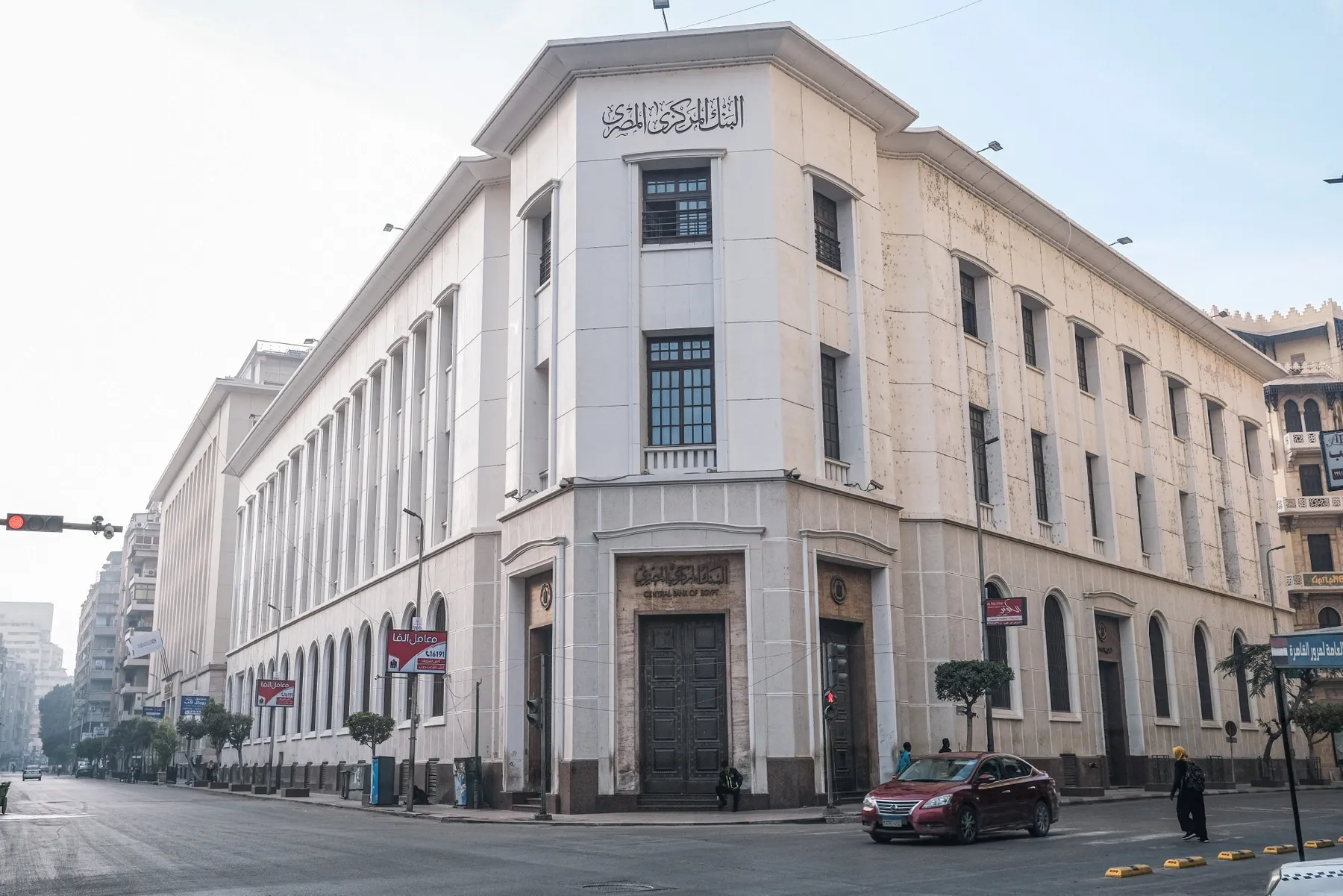
CAIRO, April 3 – Egypt has kept its benchmark interest rates unchanged, as policymakers move to contain inflationary pressures and stabilize the economy amid the ongoing Middle East conflict.
The Central Bank of Egypt maintained its deposit rate at 19% and lending rate at 20%, marking a pause in its recent easing cycle after a series of rate cuts since early 2025. The decision was widely expected by analysts and reflects a cautious policy shift in response to rising global uncertainty.
The Monetary Policy Committee said it would adopt a “wait-and-see approach,” emphasizing the need to preserve a tight monetary stance to anchor inflation expectations and contain price pressures. Inflation is expected to rise significantly from 13.4% recorded in February, driven largely by surging energy costs.
The economic backdrop has become more challenging following five weeks of conflict in the Persian Gulf, which has triggered a sharp rise in oil prices and placed renewed pressure on Egypt’s currency. The Egyptian pound has fallen to record lows, while billions of dollars in foreign portfolio investments have exited the country’s debt markets.
These developments are testing Egypt’s ongoing economic reform program, which began two years ago under a global bailout package that included a 40% currency devaluation. While the country had started cutting interest rates to stimulate private investment and reduce borrowing costs, the latest decision signals a pause in that strategy.
The central bank also revised down its economic growth forecast slightly, projecting real GDP growth of 4.9% for the fiscal year ending in June, compared to an earlier estimate of 5.1%.
Despite earlier rate cuts totaling 825 basis points since 2025, Egypt’s interest rates remain elevated, helping maintain the attractiveness of its local debt market. Prior to the recent geopolitical shock, foreign investors held an estimated $32 billion in Egyptian treasury bonds and bills, drawn by high real yields.
However, rising energy import costs, currency depreciation, and capital outflows are now reshaping the outlook. Policymakers are expected to remain cautious in the near term, balancing the need to support growth with the urgency of maintaining macroeconomic stability.
