
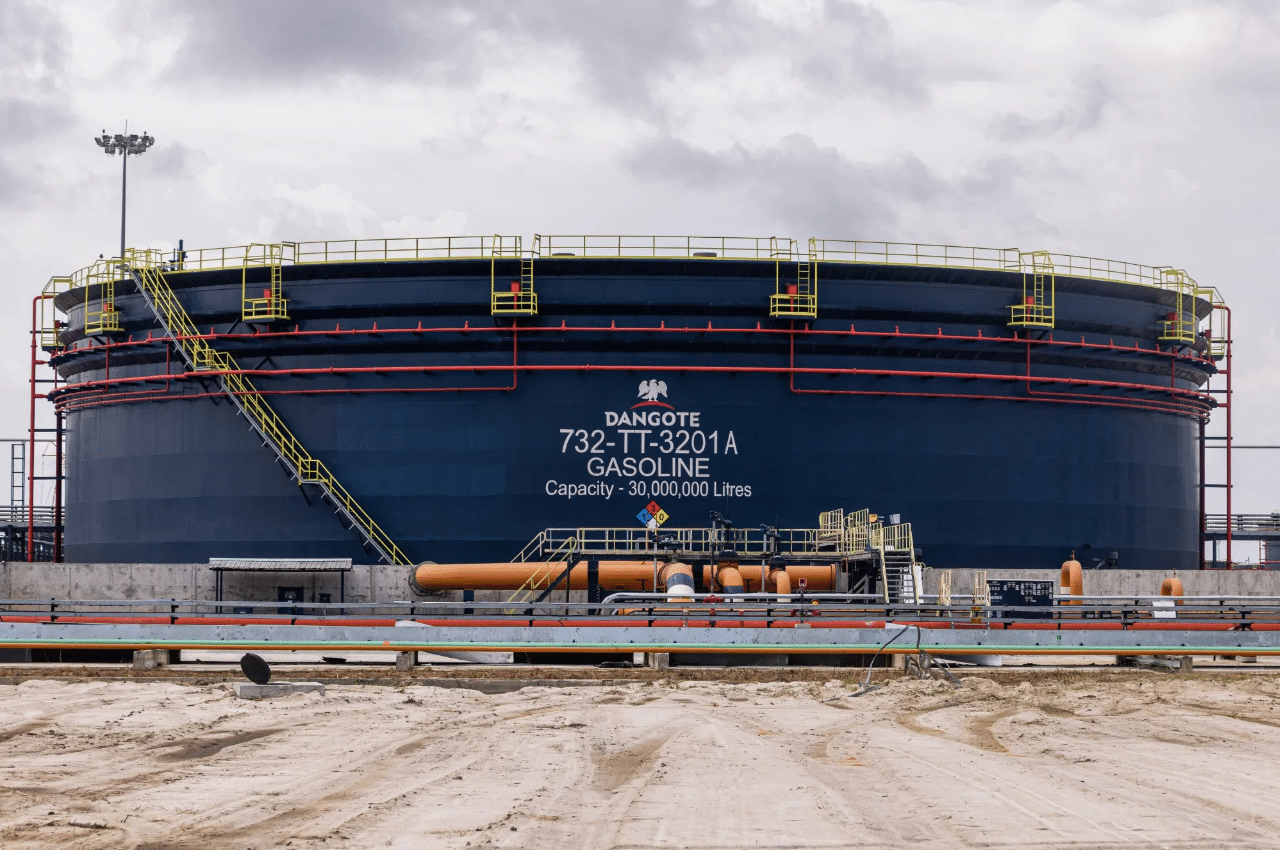
LAGOS, Mar 20 – Demand for fuel from Nigeria’s Dangote Petroleum Refinery is rising sharply as African countries move to secure supplies following disruptions linked to the Iran conflict.
The 650,000 barrel-per-day facility, owned by billionaire Aliko Dangote, has received inquiries from several countries, including South Africa, Ghana and Kenya, according to people familiar with the discussions. South Africa is reportedly seeking a 12-month supply arrangement as it looks to stabilise access to refined products.
The scramble reflects wider pressure across global energy markets. In Africa, the impact is particularly pronounced in eastern and southern regions, where roughly 75% of refined fuel imports originate from the Middle East, according to energy consultancy CITAC.
Although Dangote’s refinery allocates about three-quarters of its output to domestic use, the remaining volume is now drawing increased international interest. “Right now it is not about pricing, it’s about availability,” Dangote said, noting that supply concerns could persist in the near term.
Across the continent, governments are taking precautionary steps. South Africa said it has enough supply for the coming weeks and is working to diversify sourcing options. Kenya maintains a minimum of three weeks’ stock through oil marketing firms, while Ethiopia has directed fuel stations to prioritise public transport and urged citizens to conserve energy.
Supply strain is already showing in some markets. In Somalia’s capital, fuel prices have nearly doubled, highlighting the uneven impact of the disruption.
The situation is also exposing structural gaps. South Africa holds around 8 million barrels in strategic crude reserves but lacks significant refined fuel stockpiles. More broadly, reduced refining capacity across Africa has increased dependence on imports in recent years.
As uncertainty lingers, businesses are adjusting. In South Africa, coal prices have risen about 20% to $112 per ton, as companies seek alternative energy sources and build buffers against potential shortages.
