
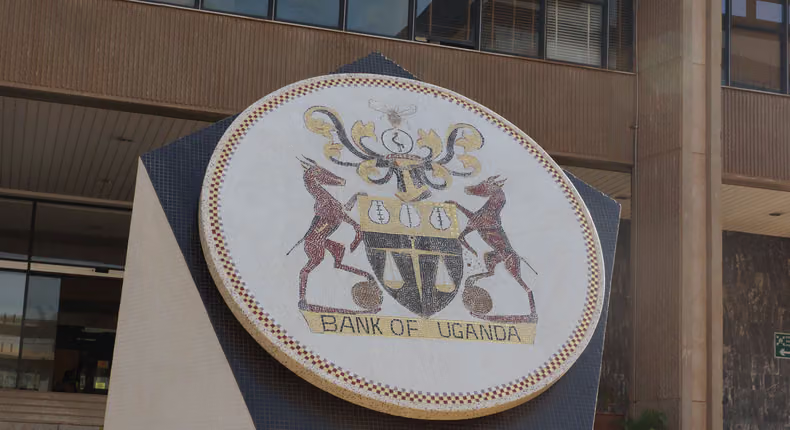
KAMPALA, Oct 14 – Uganda’s central bank has raised its benchmark interest rate by 2.25 percentage points to 12%, bringing forward a policy decision originally scheduled for next month as the shilling’s depreciation intensifies.
The Bank of Uganda announced the increase following an emergency monetary policy meeting on Wednesday. The shilling strengthened by more than 2% against the US dollar after the announcement, according to LSEG data, extending gains as markets responded to the tighter policy stance.
Governor Michael Atingi-Ego said the currency’s recent weakness could accelerate inflationary pressures, making an immediate policy response necessary. Speaking at an online press conference from Thailand, where he is attending the annual meetings of the International Monetary Fund and World Bank, he warned that inflation could rise relatively quickly in the coming period.
Annual inflation stood at 4.6% last month, below the central bank’s medium-term target of 5%. However, the depreciation of the shilling has raised concerns about the cost of imported goods, particularly energy, and the potential for higher prices to spread through the wider economy.
Currency Pressure Intensifies
The shilling has lost approximately 11% of its value against the dollar this year, with the decline accelerating over the preceding six weeks as the currency repeatedly reached record lows.
Market participants and the central bank have attributed the pressure partly to increased demand for foreign currency from oil importers facing elevated global energy prices linked to the war involving Iran. Reduced foreign-exchange inflows have added to the strain on the local currency.
The central bank has so far indicated that it does not intend to intervene directly in the foreign-exchange market to support the shilling. Instead, it has relied on monetary tightening and other measures to address the pressure.
Last month, the Bank of Uganda increased commercial banks’ cash reserve requirement in an attempt to bolster the currency. The measure, however, did little to reverse the shilling’s decline, prompting the central bank to adopt a more aggressive interest-rate response.
The latest increase raises borrowing costs in an effort to support the currency and contain the risk that depreciation will feed into domestic prices. Its broader effects will depend on whether tighter monetary conditions can ease foreign-exchange demand and stabilise the shilling without placing excessive pressure on credit and economic activity.