
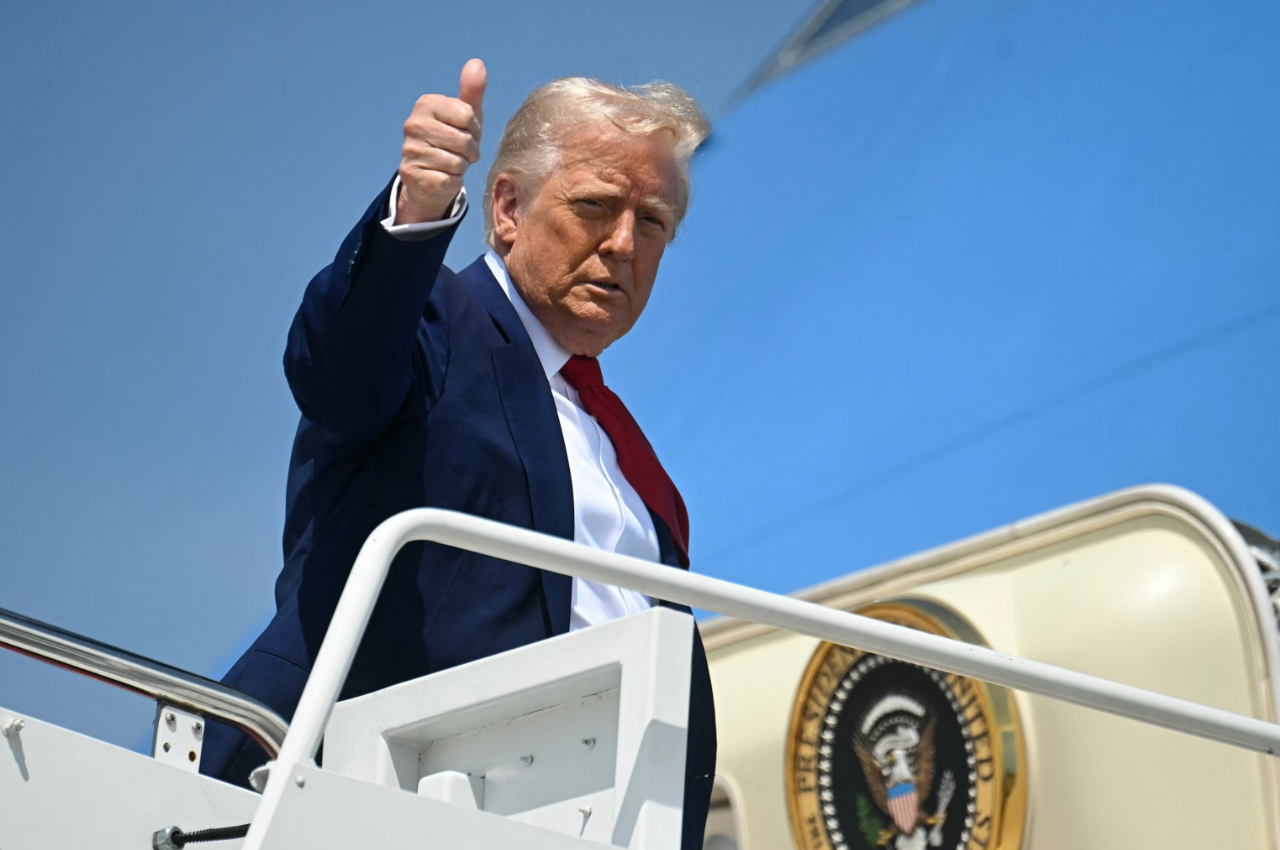
JOHANNESBURG, Feb 5 – US President Donald Trump has signed legislation extending the African Growth and Opportunity Act (AGOA), preserving duty-free access for eligible African exports to the US market through December 31. The extension applies retroactively from September 30, 2025, according to the Office of the US Trade Representative.
The move averts a lapse in the trade programme, which expired in September and threatened hundreds of thousands of jobs across Sub-Saharan Africa that depend on preferential access to the US market. First enacted in 2000, AGOA allows qualifying African countries to export more than 1,800 products to the United States without paying duties.
US Trade Representative Jamieson Greer said his office would work with Congress this year to revise the programme, with the aim of expanding market access for US companies, farmers and ranchers, while aligning the framework with the administration’s America First trade agenda.
The extension follows weeks of legislative negotiations in Washington. The US House of Representatives had initially passed a three-year renewal, but the Senate amended the bill to a one-year extension, a change later accepted by the House.
The decision comes against the backdrop of strained diplomatic relations between Washington and Pretoria. South Africa, Africa’s largest economy, has faced growing tensions with the Trump administration, including the president’s boycott of last year’s Group of 20 summit hosted by the country and his subsequent decision to exclude South Africa from G20 meetings hosted by the United States this year.
South Africa’s Trade Minister Parks Tau welcomed the extension last month, saying it would provide much-needed certainty for African and American firms that rely on the programme for cross-border trade and investment planning.
The USTR said it would coordinate with relevant federal agencies to implement changes to the US Harmonized Tariff Schedule resulting from the reauthorization. It also reiterated that eligibility under AGOA remains conditional on countries demonstrating progress toward market-based economic reforms, the rule of law, political pluralism and due process.
Participating countries are also required to reduce barriers to US trade and investment, implement poverty-reduction policies, combat corruption and uphold internationally recognised human rights standards.
