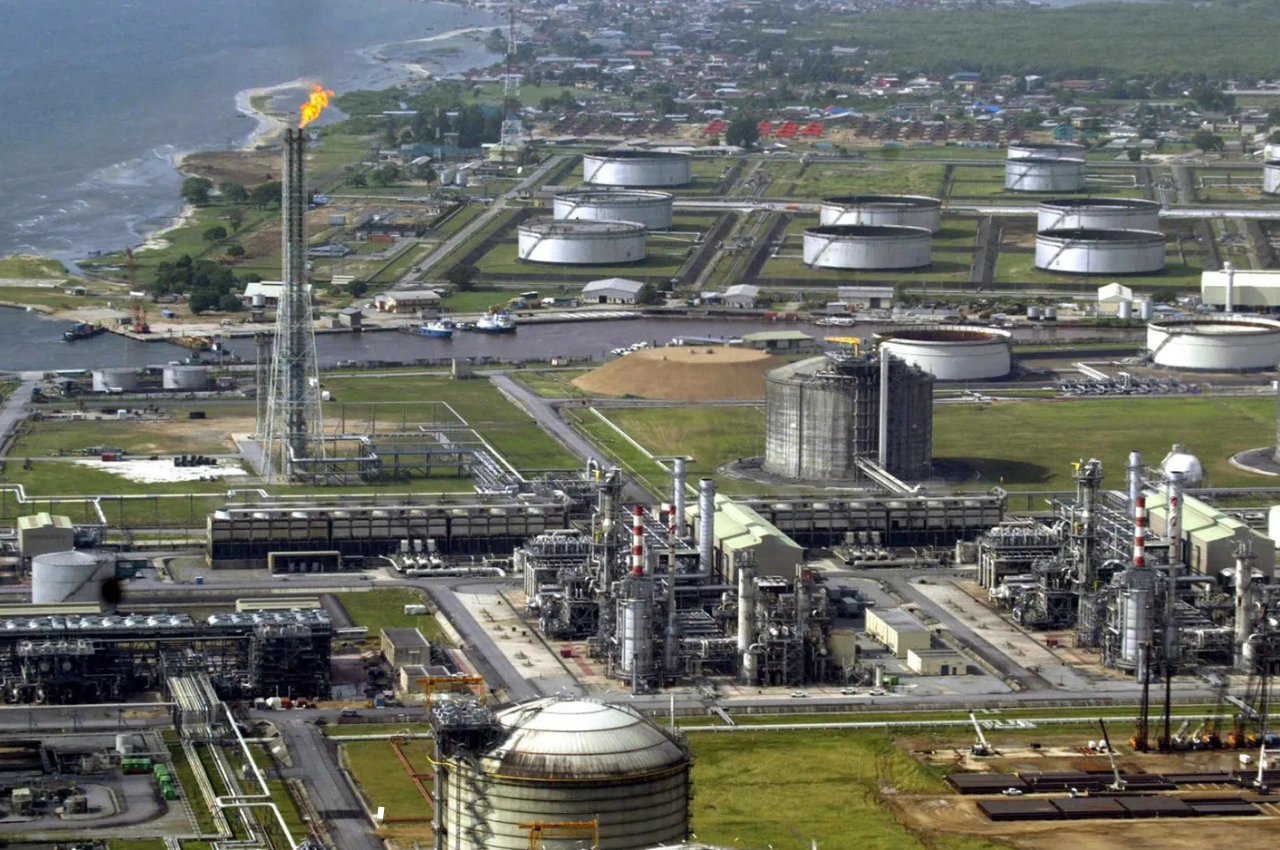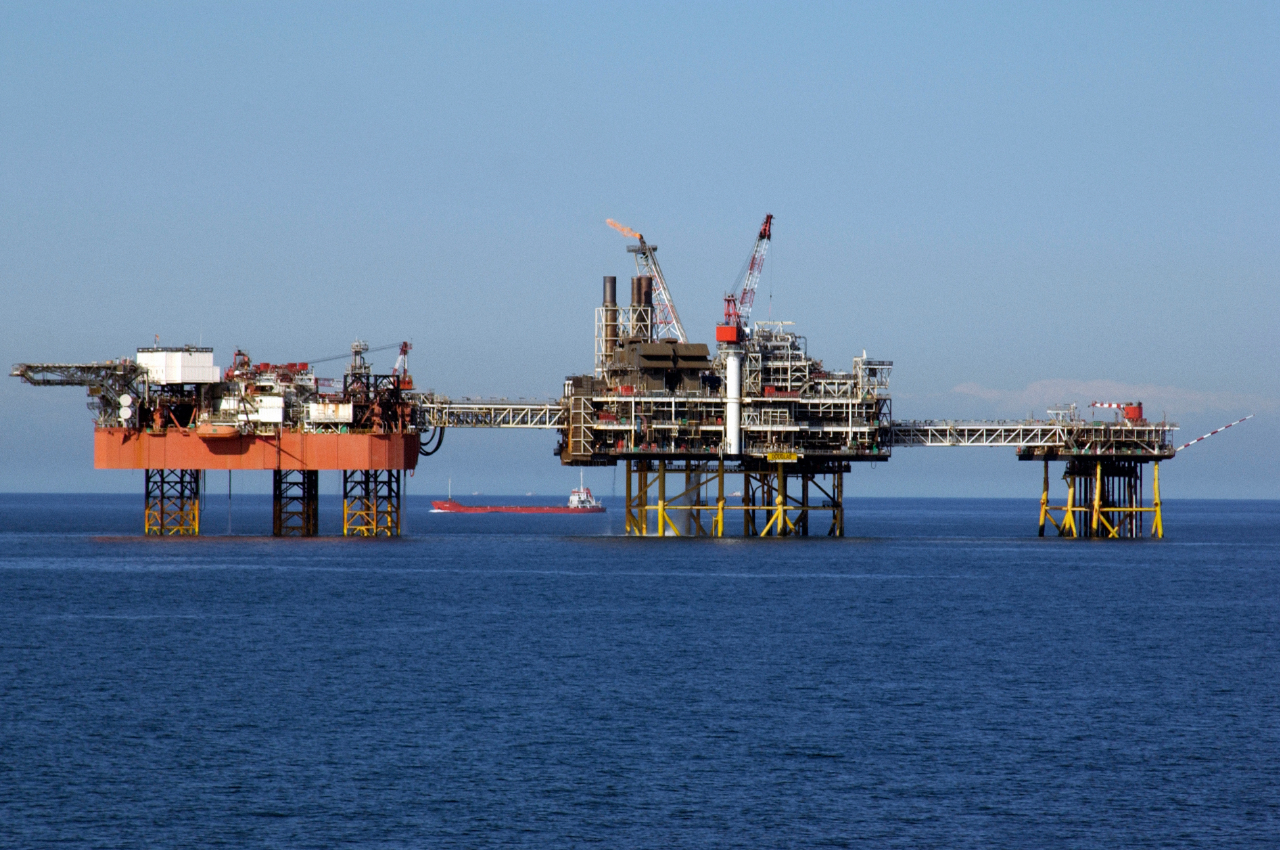
JOHANNESBURG, Jan 27 – Tanzania expects to sign an agreement before June for its long stalled $42 billion liquefied natural gas project, a senior government minister said, reviving one of the largest energy investments ever proposed in East Africa.
The project, jointly operated by Equinor and Shell, is designed to unlock an estimated 47.13 trillion cubic feet of natural gas. Other partners include Exxon Mobil, Pavilion Energy, Medco Energi, and Tanzania’s national oil company, TPDC.
The development had been delayed after the government sought changes to a financial agreement reached in 2023, raising concerns among investors over fiscal terms and regulatory stability. According to Kitila Mkumbo, Tanzania’s minister of state in the president’s office for planning and investment, commercial negotiations have now been concluded.
“We have basically concluded the commercial discussions. We are now only discussing the legal framework of this agreement,” Mkumbo said during a briefing in London. He added that the scale of the investment required a bespoke legal structure, given that it represents the largest single project in Tanzania’s history.
If signed as planned, production is expected to begin in around eight years, with the project forecast to create more than 100,000 jobs during construction and early operations.
Together with gas developments in neighbouring Mozambique, Tanzania’s LNG project could help establish East Africa as a significant LNG export hub, particularly for Asian markets seeking long term supply diversification.
Mkumbo also revealed that President Samia Suluhu Hassan has instructed the central bank to sell part of its gold reserves to help finance ongoing infrastructure projects. The directive comes as gold prices trade at record highs above $5,100 per ounce, providing an opportunity to raise near term liquidity.
The renewed push for the LNG deal comes against a challenging political and fiscal backdrop. Several international partners have reviewed or withheld financial support following unrest linked to last year’s election, which marked Tanzania’s most severe political crisis in decades.
According to the minister, between $2 billion and $3 billion of the country’s $10 billion development budget has been affected, largely through suspended concessional loans and budget support from European partners.
Despite these headwinds, the government appears intent on closing the LNG agreement, viewing it as a cornerstone investment for long term growth, export revenues, and energy sector development.