
PRETORIA, Jan 26 – South Africa has stabilised its electricity supply for more than 250 straight days without load shedding, but the government is not ready to declare the crisis over.
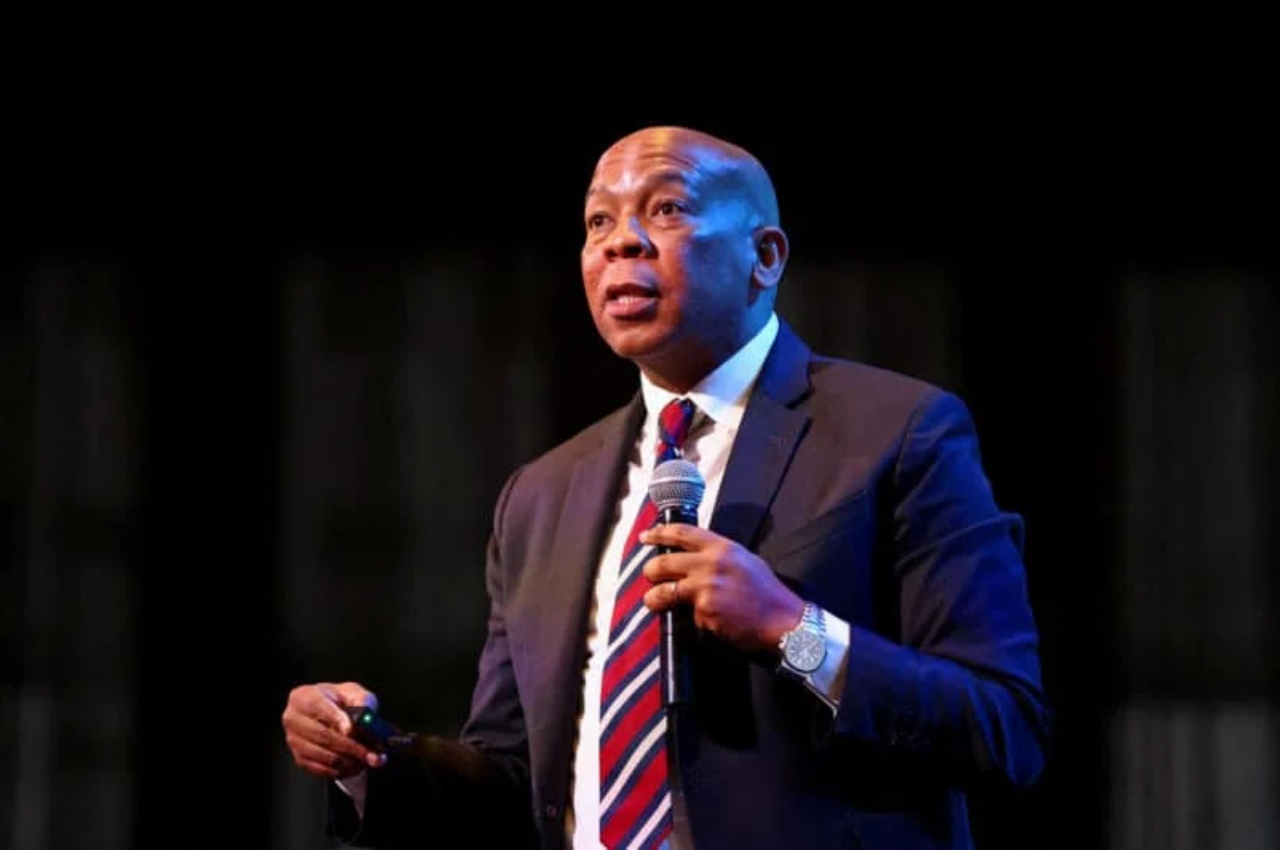
Speaking on the sidelines of the World Economic Forum annual meeting in Davos, Electricity and Energy Minister Kgosientsho Ramokgopa said the country needs proof that the power system can carry a stronger economy without returning to scheduled outages. He said a technical improvement on its own is not enough if it only holds under weak demand.
He said the real objective is to reach a point where people no longer count the days, adding that South Africa has not gotten to that point yet.
Ramokgopa said the power system now carries a daily surplus of about 4,000 to 5,000 megawatts, which has reduced the need for rotational cuts. However, the grid still faces risks from unexpected events, including faults on transmission lines that can interrupt supply even when generation is higher.
Pointing out the economic cost of years of unreliable power, saying several energy intensive firms have reduced output or shut down operations due to the rise in electricity costs. According to him, if those companies restart at the same time, he said demand could rise by about 7,000 megawatts, which would turn the current surplus into a gap of about 2,000 megawatts.
For Ramokgopa, the better test is whether the system can absorb growth noting that load shedding will be over when the economy can grow at about 3% and occasional failures do not force power cuts or emergency announcements. Although South Africa’s economy is currently growing at about 0.8%, yet electricity generation remains below peak levels seen in 2007 and 2008, he said.
He also said private generation procured by the state is not yet fully online, and the country needs stronger contingency planning, including gas supply, to support reliability.
