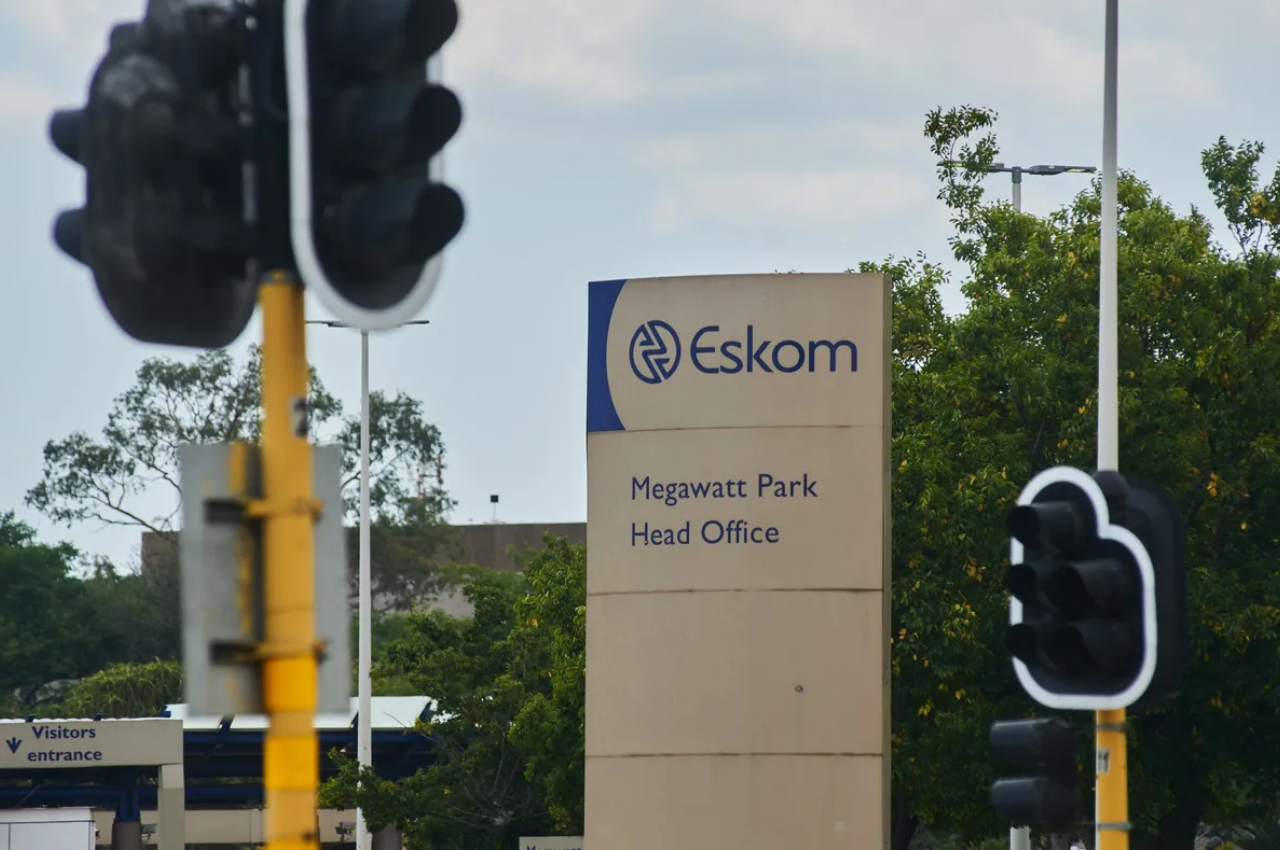
JOHANNESBURG, Feb 9 – South Africa’s energy regulator has approved higher electricity tariff increases for state-owned utility Eskom after acknowledging mistakes in its earlier pricing calculations, granting the power producer greater revenue relief over the next two financial years.
The National Energy Regulator of South Africa (Nersa) said Eskom will now be allowed to raise electricity prices by 8.76% in April this year and by 8.83% in April 2027. These revisions are significantly higher than the increases of 5.36% and 6.19% that were initially approved.
Nersa said the revised determinations were intended to strike a balance between strengthening Eskom’s long-term financial position and limiting the burden on consumers already facing rising living costs.
Eskom, which continues to supply the majority of electricity in Africa’s largest economy, has for years struggled with heavy debt, ageing infrastructure and operational failures. The utility has repeatedly argued that regulated tariffs have not adequately covered its costs, contributing to its prolonged financial distress.
Despite those challenges, Eskom reported its first full-year profit in eight years last year, supported by a multi-year government bailout and a marked improvement in the performance of its coal-fired power stations.
The tariff revisions follow a legal dispute between Eskom and the regulator. After setting the original tariff path in January 2025, Nersa later conceded that it had made calculation errors for the 2025/26 to 2027/28 financial years and reached a settlement with Eskom in July.
That agreement was overturned in December when South Africa’s High Court ruled that the settlement was invalid and instructed Nersa to restart the process, including inviting fresh public submissions before issuing a new determination.
The revised increases underscore the growing tension between ensuring Eskom’s financial sustainability and protecting households and businesses from higher power costs, as South Africa continues to reform its electricity sector.