
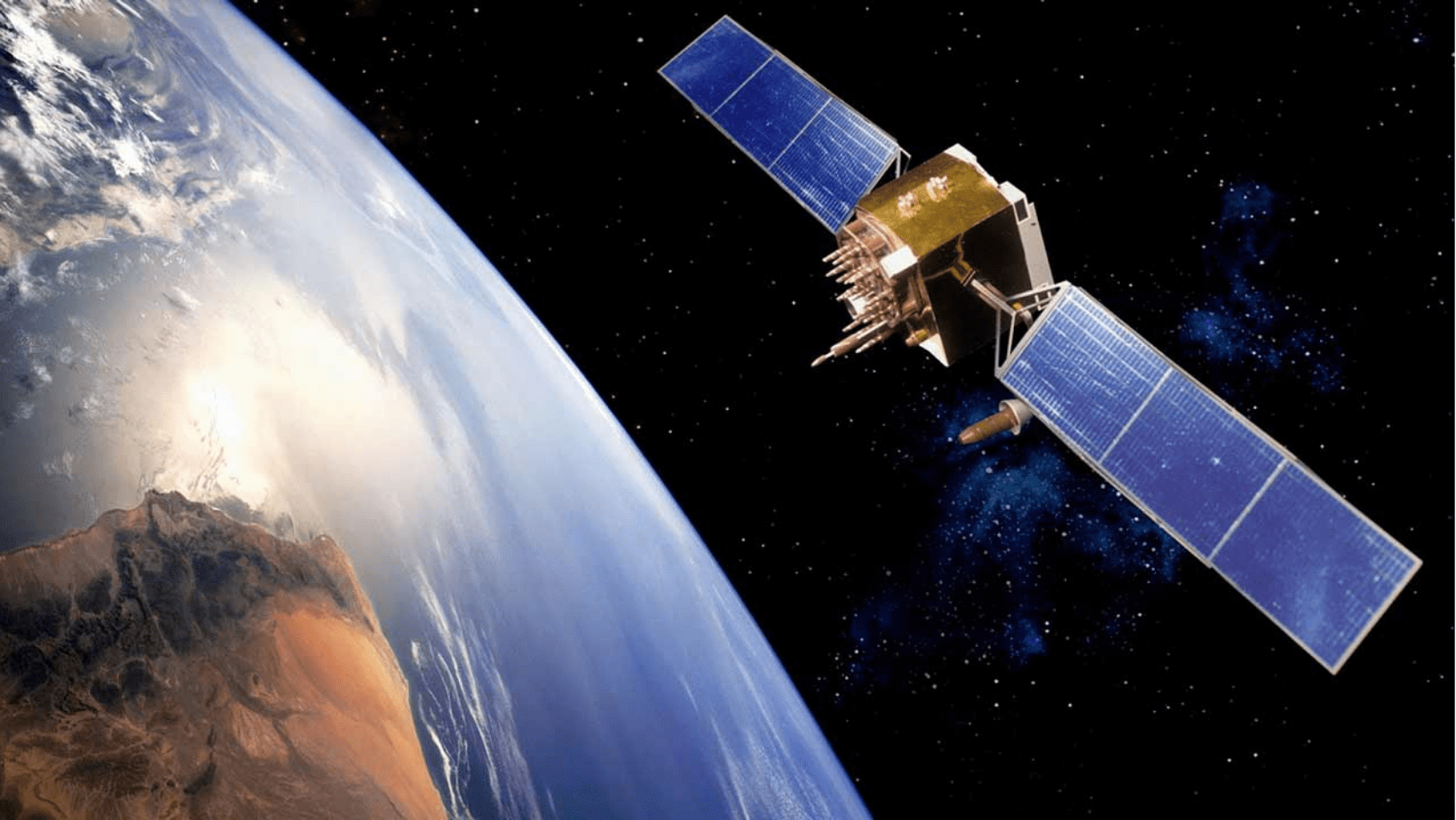
ABUJA, Aug 31 – Nigeria communications satellites will be built by French aerospace company Thales Alenia Space and Israel Aerospace Industries (IAI) as the country moves to expand broadband capacity and replace its ageing NIGCOMSAT-1R.
The Federal Executive Council approved the acquisition and deployment of NIGCOMSAT-2A and NIGCOMSAT-2B on August 22, allowing Nigeria Communications Satellite Limited (NIGCOMSAT) to move ahead with its long-running replacement programme.
The two satellites are expected to provide additional capacity for broadband, broadcasting, enterprise connectivity and government services, particularly in areas where fibre and other terrestrial networks are expensive or difficult to deploy.
NIGCOMSAT-1R was launched on December 19, 2011, with a 15-year design life and is reaching the end of that period in 2026. NIGCOMSAT says careful management of its onboard fuel could keep the satellite operational until 2028, giving the government time to finance, build and launch its replacement.
The final cost of the new project has not been disclosed because financing is still being completed. NIGCOMSAT Managing Director and CEO Jane Nkechi Egerton-Idehen told TechCabal that the amount would be made public once the financing is closed.
“The amount will be official once the financing is closed,” Egerton-Idehen said, adding that the project would be vendor-financed and backed by Export-Import Banks.
The selection of Thales Alenia Space and IAI followed a competitive procurement process that began more than two years ago. NIGCOMSAT started defining technical requirements in early 2024 before issuing an Expression of Interest in June. Companies including Airbus, China Great Wall Industry Corporation and Turkish Aerospace Industries also participated.
The contract covers more than satellite manufacturing. It includes launch and in-orbit testing, control centres, tracking and telemetry stations, simulators, operational software, documentation, insurance and technology transfer.
NIGCOMSAT-2A is planned for deployment at 42.5°E, while backup ground infrastructure will be provided to strengthen the system’s resilience.
The new satellites are also expected to support Nigeria’s broadband expansion, which reached 56.7% in June. Satellite connections can help reach communities where laying fibre or other terrestrial infrastructure is commercially difficult.
However, greater satellite capacity will not automatically mean cheaper internet. The cost of terminals, equipment, data plans and last-mile connections will determine how much of the new capacity reaches households and businesses.
NIGCOMSAT also expects the project to create opportunities in satellite terminals, ground infrastructure, telecommunications, broadcasting and technical support. Training and technology transfer could further develop local expertise in satellite engineering and network operations.
Egerton-Idehen said the priority was to turn the investment into practical value by expanding connectivity and supporting critical communications.
The project still faces key steps, including closing financing, manufacturing, launch and in-orbit testing. With NIGCOMSAT-1R expected to remain operational until 2028, the replacement programme has a limited window to deliver the new satellites.
