
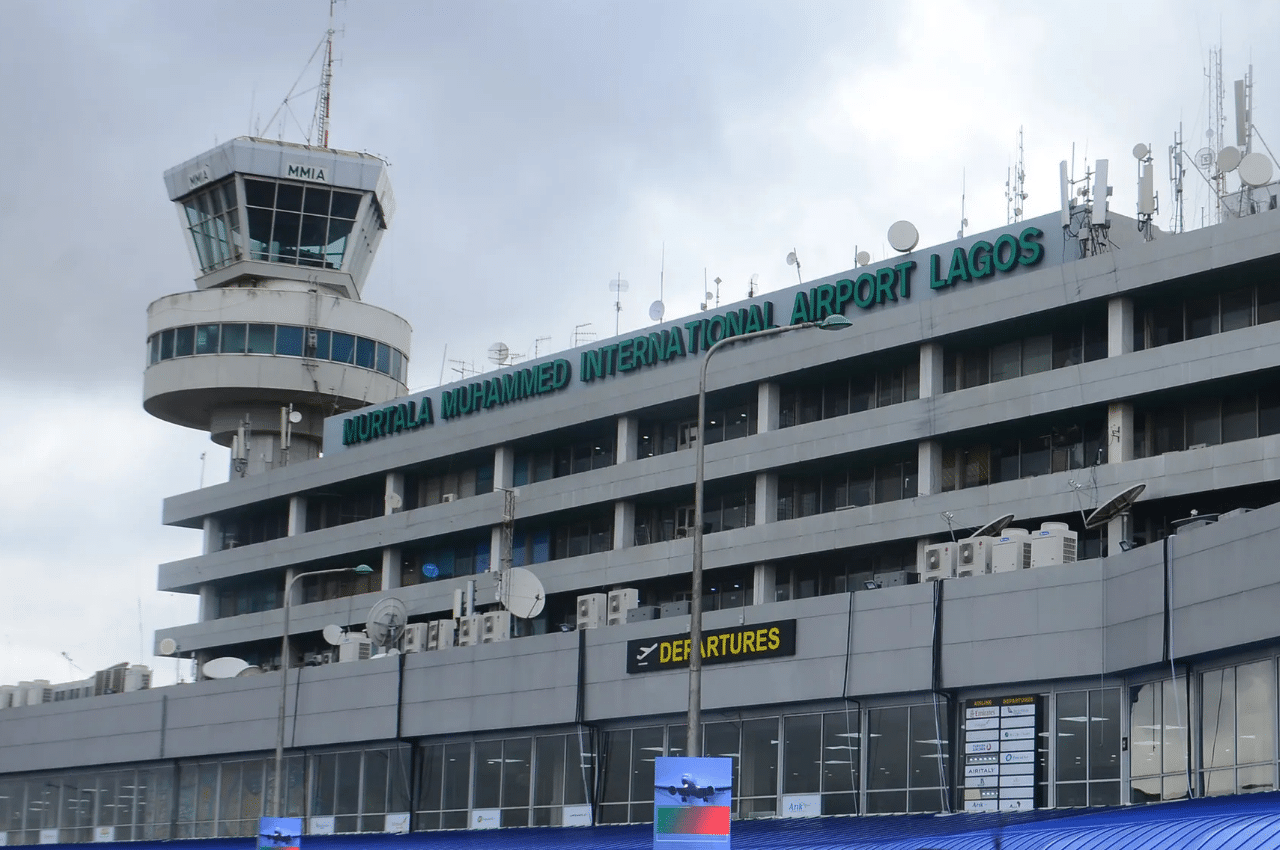
Lagos, Jan 16 – Nigerian airlines are still paying elevated aircraft insurance premiums despite an improvement in the country’s standing with international aircraft lessors following the federal government’s adoption of the Irrevocable De Registration and Export Request Authorisation framework.
Industry stakeholders estimate that domestic airlines paid more than ₦15 billion ($10.5 million) in aircraft insurance premiums last year, even as Nigeria’s compliance score under the Cape Town Convention rose to 75.5% in 2024 from 49% in 2023. The higher rating was expected to ease operating costs by improving confidence among lessors and insurers.
Aviation insurance analysts say premiums for aircraft operated in Nigeria remain significantly higher than in Europe and the United States. Nigerian carriers, they note, pay substantially more each year to insure a single Boeing 737-300 classic aircraft compared with operators in lower risk jurisdictions.
Insurance industry participants attribute the persistent cost burden to Nigeria’s risk perception rather than regulatory compliance alone. Despite reforms, insurers continue to classify the operating environment as high risk due to security concerns, currency volatility, and historical claims experience.
Sunny Adeda, a former president of the Chartered Insurance Institute of Nigeria, said the adoption of IDERA does not automatically translate into lower insurance premiums. He explained that aviation insurance pricing is primarily driven by prevailing risk conditions in global markets.
According to Adeda, premiums typically decline during soft market cycles characterized by low accident rates and minimal security incidents, but rise sharply following crashes, terrorism related events, or threats to flight safety. He added that helicopter insurance costs are generally higher than those for fixed wing aircraft because helicopters operate at lower altitudes and record higher accident frequencies.
Olu Fidel Ohunayo, executive secretary of the Aviation Round Table, said aircraft insurance premiums are influenced by three key factors: ease of aircraft repossession, exchange rate stability, and national security conditions.
While the introduction of IDERA has largely addressed repossession risks, Ohunayo said exchange rate volatility and broader security challenges continue to weigh on insurance pricing. He added that global aircraft supply shortages have also pushed premiums higher, as airlines increasingly rely on leased aircraft, tightening availability and raising costs for smaller operators, including those in Nigeria.
