ABUJA, Feb 6 – Nigeria and the World Bank have agreed to strengthen cooperation on reforms aimed at improving electricity supply, boosting agricultural productivity and easing trade flows, as Africa’s largest economy works to improve competitiveness and attract investment.
The agreement followed talks in Abuja between Nigeria’s Minister of Finance and Coordinating Minister of the Economy, Wale Edun, and the World Bank’s Managing Director for Operations, Anna Bjerde.
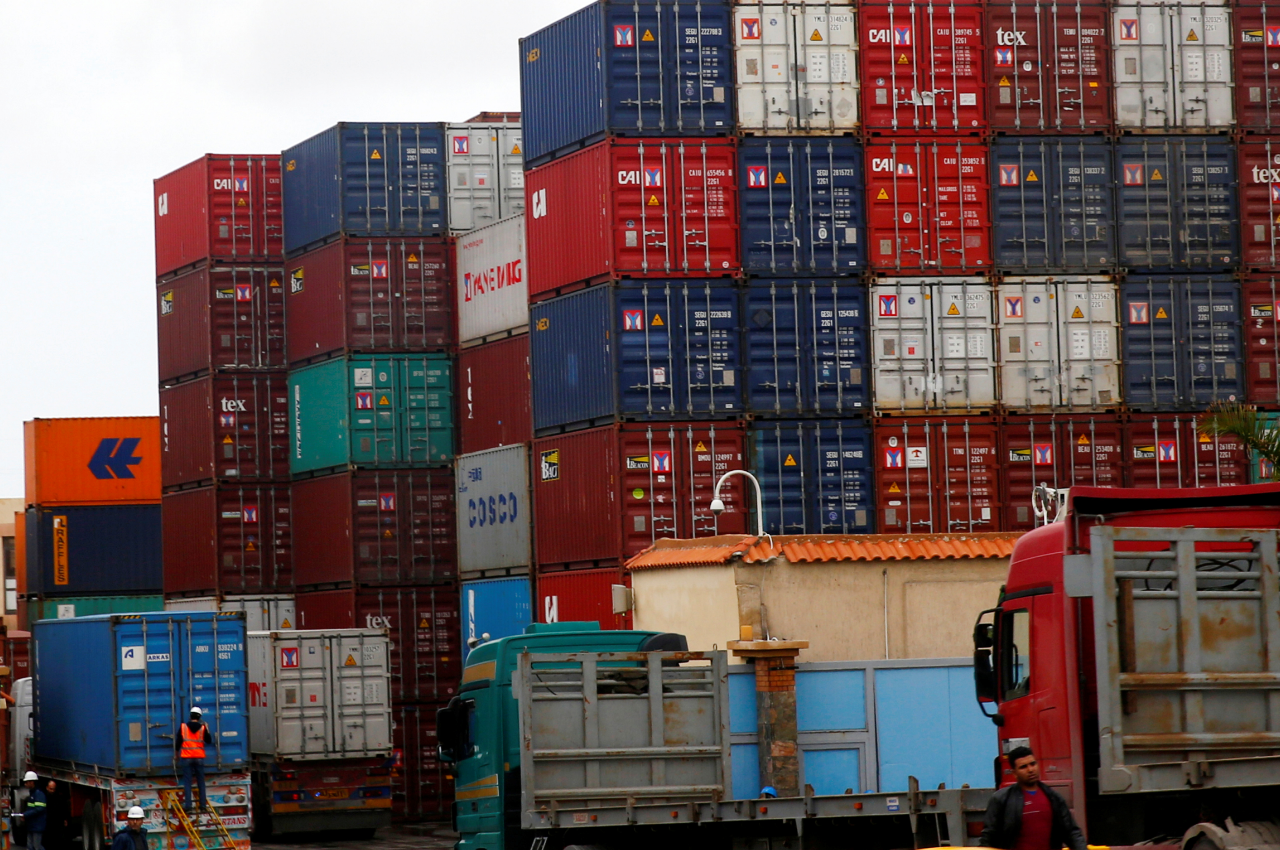
During the meeting, both sides focused on expanding access to reliable power, strengthening agriculture, accelerating digital infrastructure and improving the movement of goods across borders. In addition, discussions covered measures to unlock private sector investment as part of efforts to support growth and employment.
The ministry said the engagement reflected President Bola Tinubu’s economic reform agenda and rising confidence among international partners. Edun said recent policy actions had begun to create momentum across key sectors, supported by a clearer focus on investment and productivity.
He added that the government’s priority remains creating conditions that allow businesses to grow, capital to flow and jobs to be created. As part of this approach, Nigeria reaffirmed its commitment to energy sector reform and its ambition to position itself as a regional economic hub.
The statement also highlighted Nigeria’s role as host city to the Economic Community of West African States, noting that this supports efforts to deepen regional trade integration.
Bjerde welcomed Nigeria’s reform progress and cited improving confidence from international markets and development partners. She said the World Bank would continue to support Nigeria’s investment led growth strategy, with emphasis on infrastructure delivery and private sector participation.
Both sides agreed on accelerating implementation, mobilising capital at scale and expanding opportunities for Nigeria’s growing population as reforms advance.