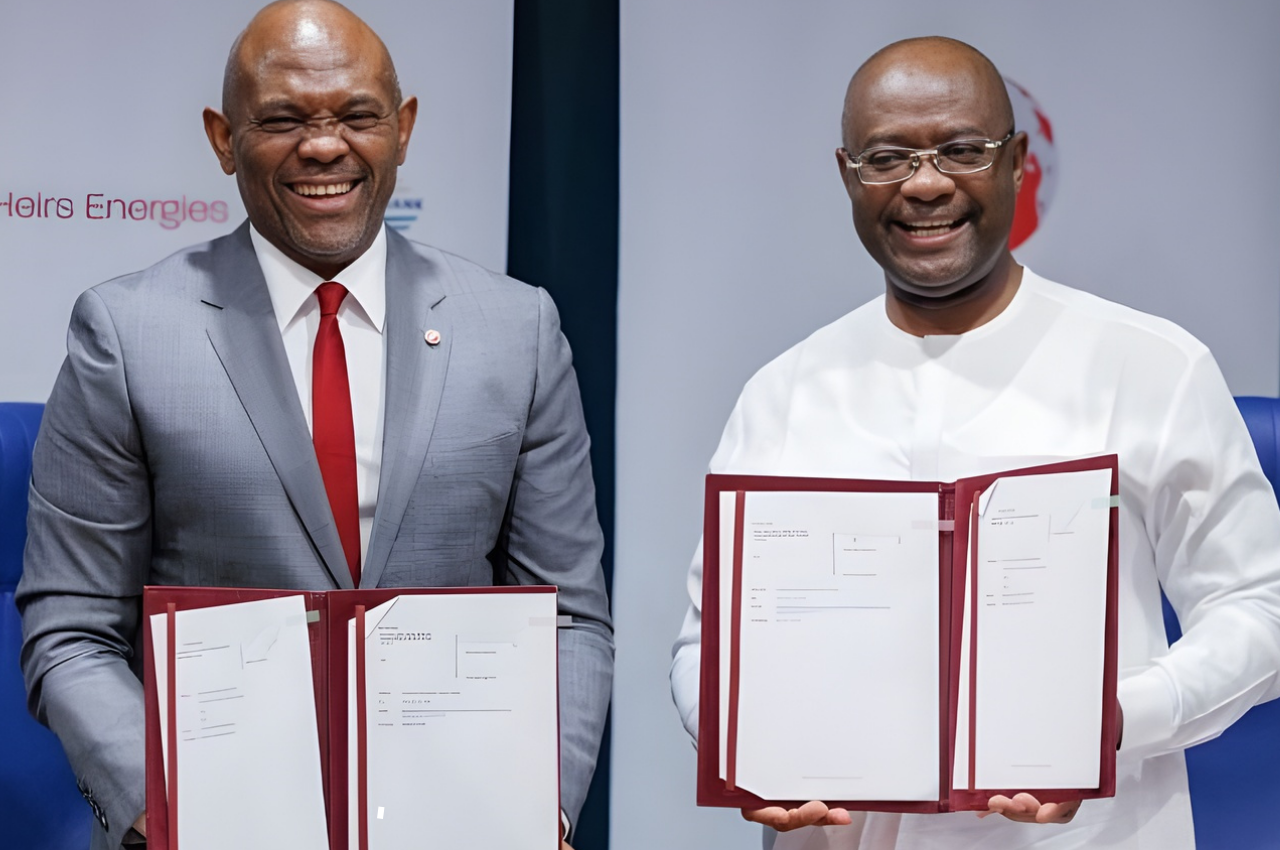
TRIPOLI, Jan 26 – Libya has signed a 25-year oil development agreement with France’s TotalEnergies and U.S.-based ConocoPhillips, marking one of the country’s largest energy investment deals in more than a decade.
Prime Minister Abdulhamid al-Dbeibah said the deal, signed through Waha Oil Company, involves more than $20 billion in foreign-financed investment and is designed to raise production capacity by up to 850,000 barrels per day. The project is expected to generate net revenues exceeding $376 billion over its lifetime.
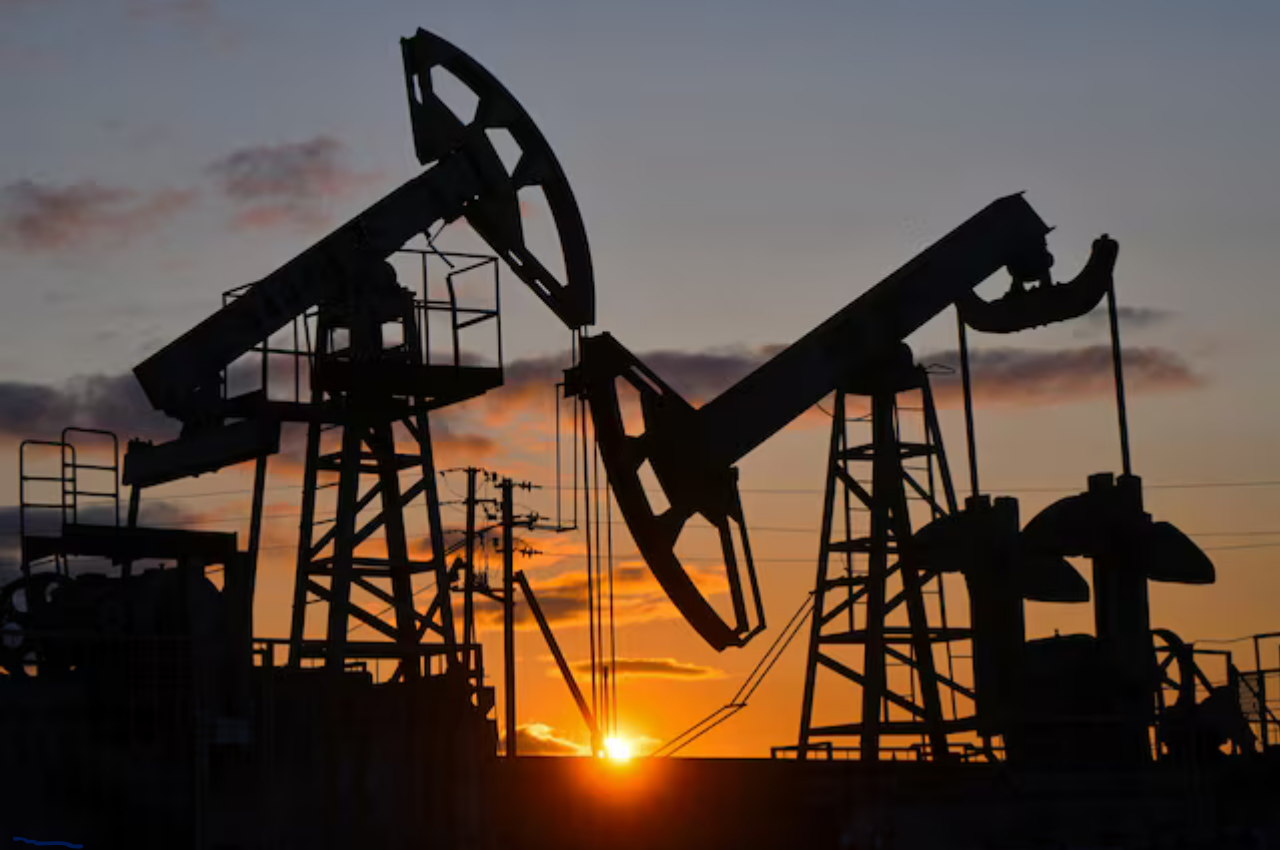
Waha Oil Company, a subsidiary of Libya’s state-owned National Oil Corporation, currently produces between 340,000 and 400,000 barrels per day under normal operating conditions. The company operates five major oil and gas fields along with several subfields, all linked by pipeline networks transporting crude to the Sidra oil terminal and gas to processing facilities.
The agreement was announced during the Libya Energy and Economy Summit in Tripoli, where the government also signed a memorandum of understanding with U.S. oil major Chevron and a cooperation agreement with Egypt’s Ministry of Petroleum.
Dbeibah said the deals reflect the strengthening of Libya’s ties with major international energy partners, as the country seeks to revive investment and stabilize output after years of disruption.
Separately, Masoud Suleman, acting chairman of the National Oil Corporation, said Libya would announce the results of its first oil exploration bidding round in more than 17 years on February 11. The round is seen as a key test of renewed investor confidence in the country’s energy sector.
Libya remains one of Africa’s largest oil producers and a member of OPEC, but foreign investment has been constrained since the 2011 overthrow of Muammar Gaddafi. Ongoing political fragmentation and disputes between armed factions over oil revenues have frequently led to production shutdowns and export disruptions.
The new agreements signal a renewed push by Libyan authorities to restore long-term production growth and reposition the country as a major destination for global energy capital.