TRIPOLI, Jan 19 – Libya has secured an estimated $2.7 billion in new investment after signing strategic agreements with international port and infrastructure firms to expand and modernize the Misurata Free Zone, Prime Minister Abdulhamid Dbeibah said on Sunday.
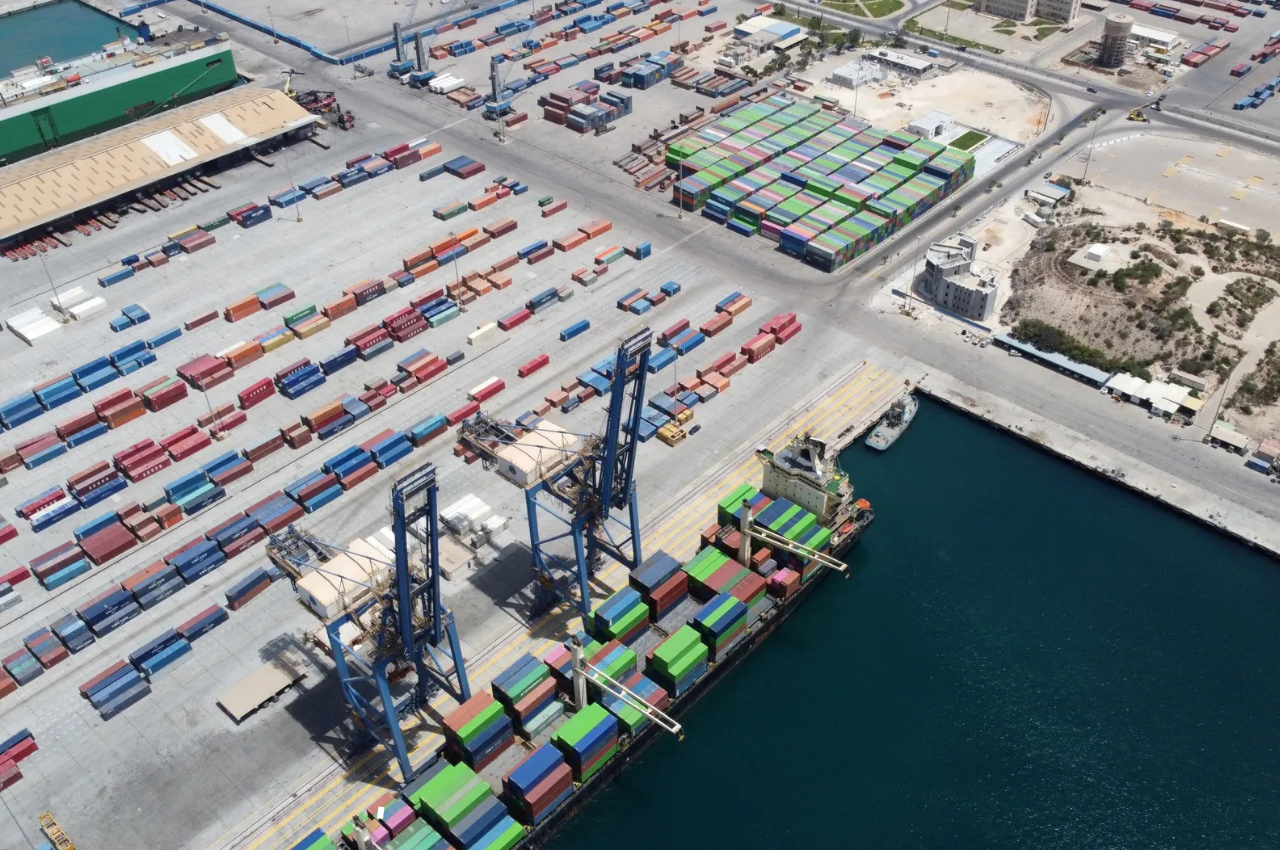
The partnerships are expected to generate annual operating revenues of about $500 million while significantly expanding Libya’s non-oil economic base. Dbeibah said the project will position Misurata among the region’s largest and most competitive ports by size and capacity, anchored on direct foreign investment and long-term international collaboration.
Under the agreement, the Misurata Free Zone partnered with global port operator Terminal Investment Limited, which will support the development of the port into a high-capacity logistics hub connecting Africa, Europe, and the Middle East. Doha-based Maha Capital Partners also joined the project, providing long-term capital and strategic oversight.
Dbeibah said the deal reflects the government’s broader strategy to attract productive external financing, modernize infrastructure, and convert state-owned assets into platforms capable of generating sustainable returns for the economy.
Libya’s economy remains heavily dependent on hydrocarbons, with oil accounting for more than 95% of economic output. Officials see logistics, trade, and free zone development as critical to diversification efforts.
The expansion of the Misurata Free Zone is expected to create about 8,400 direct jobs and roughly 60,000 indirect roles. Once completed, the port’s container handling capacity will rise to four million containers annually. The free zone spans approximately 190 hectares and is located around 200 kilometers east of Tripoli.
The signing ceremony took place at the Misurata Free Zone and was attended by Prime Minister Dbeibah, Qatari Prime Minister Sheikh Mohammed bin Abdulrahman al-Thani, and Italy’s Deputy Prime Minister and Foreign Minister Antonio Tajani.
Muhsin Sigutri, chairman of the Misurata Free Zone, said the partnership underscores the zone’s ambition to develop modern, internationally competitive infrastructure capable of unlocking new industries, supporting employment, and strengthening Libya’s position within regional and global supply chains.
Libya has faced prolonged political instability since the 2011 uprising and a subsequent split between rival eastern and western administrations. Despite these challenges, the government continues to push large-scale infrastructure projects as part of its economic recovery and investment strategy.